


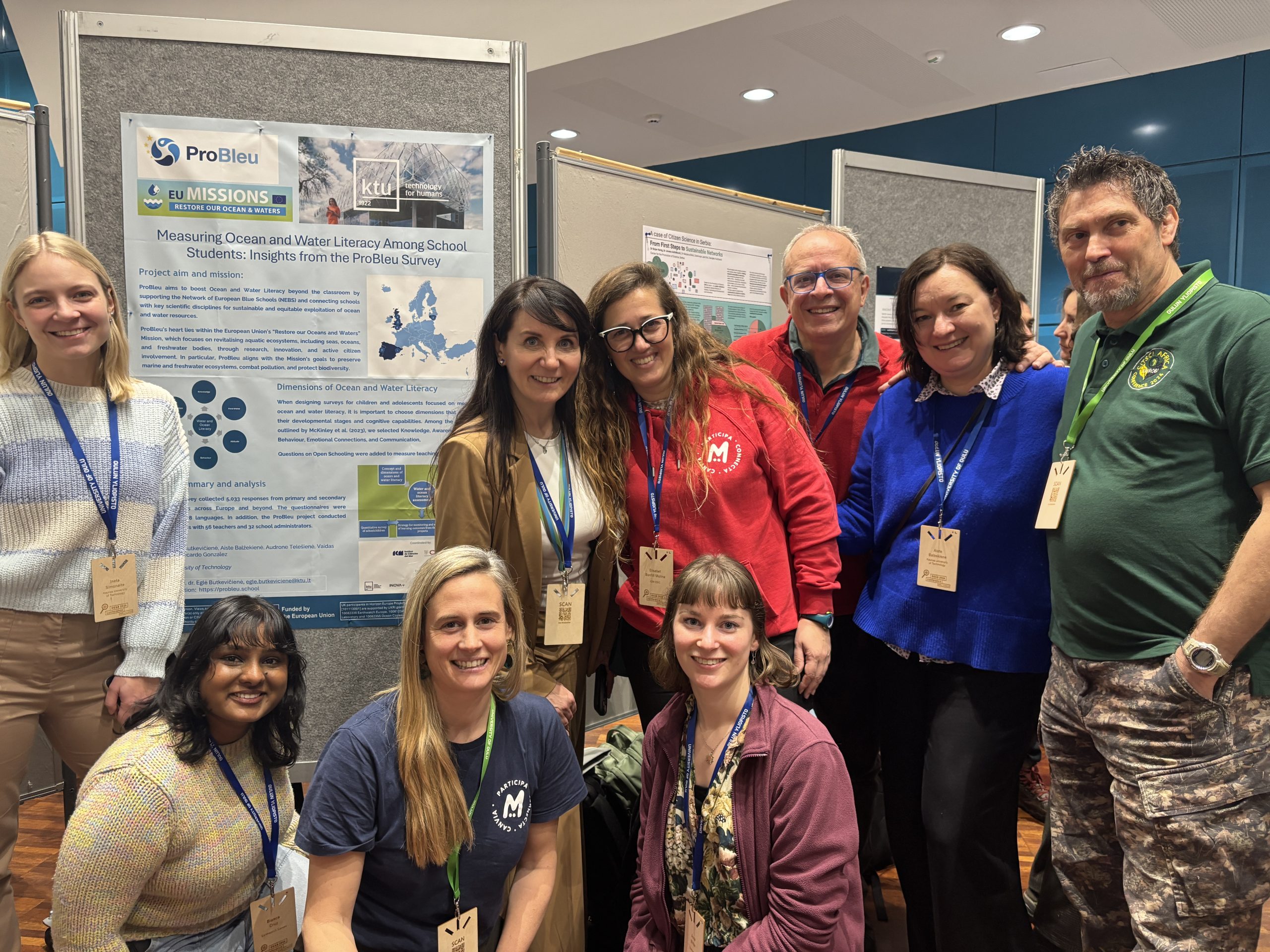
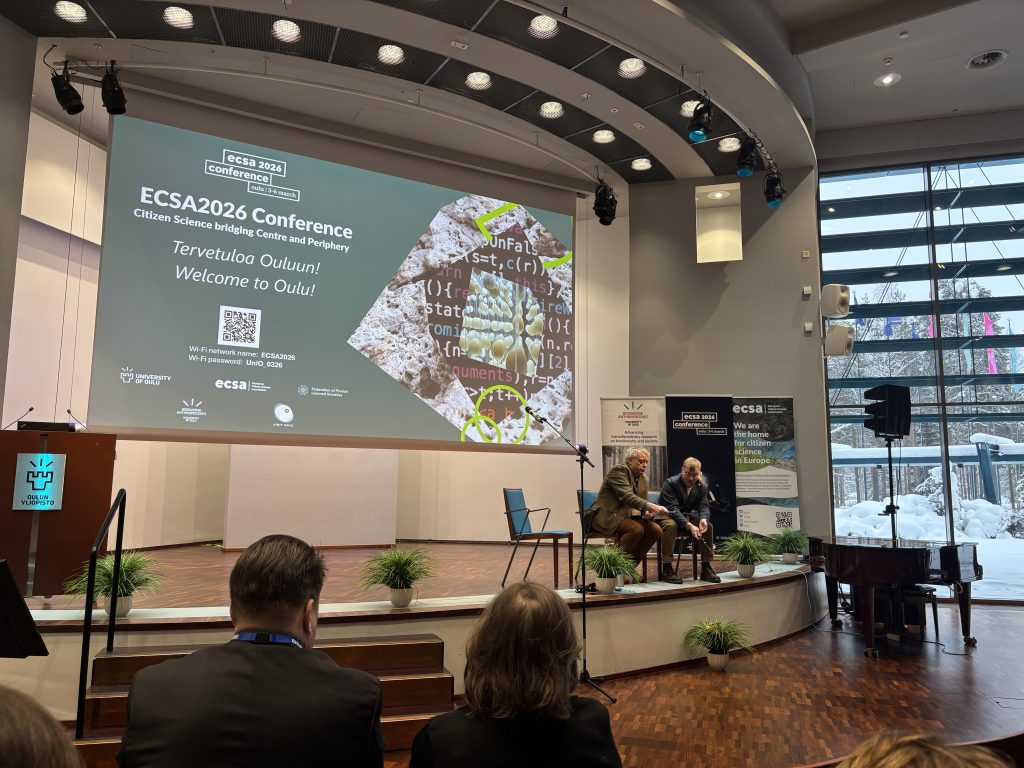
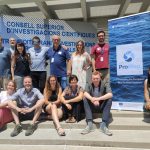
The ProBleu project was present at the European Citizen Science Association Conference 2026 (ECSA 2026), held from 3-6 March at the University of Oulu, Finland. The conference brought together researchers, practitioners, and communities working in citizen science across Europe under the theme “Citizen Science between Centre and Periphery.”
This edition of the ECSA conference is the largest organised to date, bringing together more than 600 participants and featuring an extensive scientific programme including more than 325 contributions; among them 21 workshops, 24 panels, 17 roundtables and over 140 posters, alongside community events dedicated to advancing citizen science practice.ECSA 2026 provides an important opportunity to exchange experiences with researchers and practitioners working at the intersection of citizen science, environmental monitoring, and participatory research.
Citizen science as a pathway to ocean and water literacy
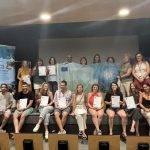
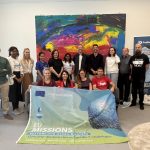
Promoting citizen science in school communities is one of the key approaches of the ProBleu project to strengthen ocean and water literacy across Europe. During the conference, several ProBleu partners shared insights and results from the project, highlighting how participatory science can support education, community engagement and environmental awareness.
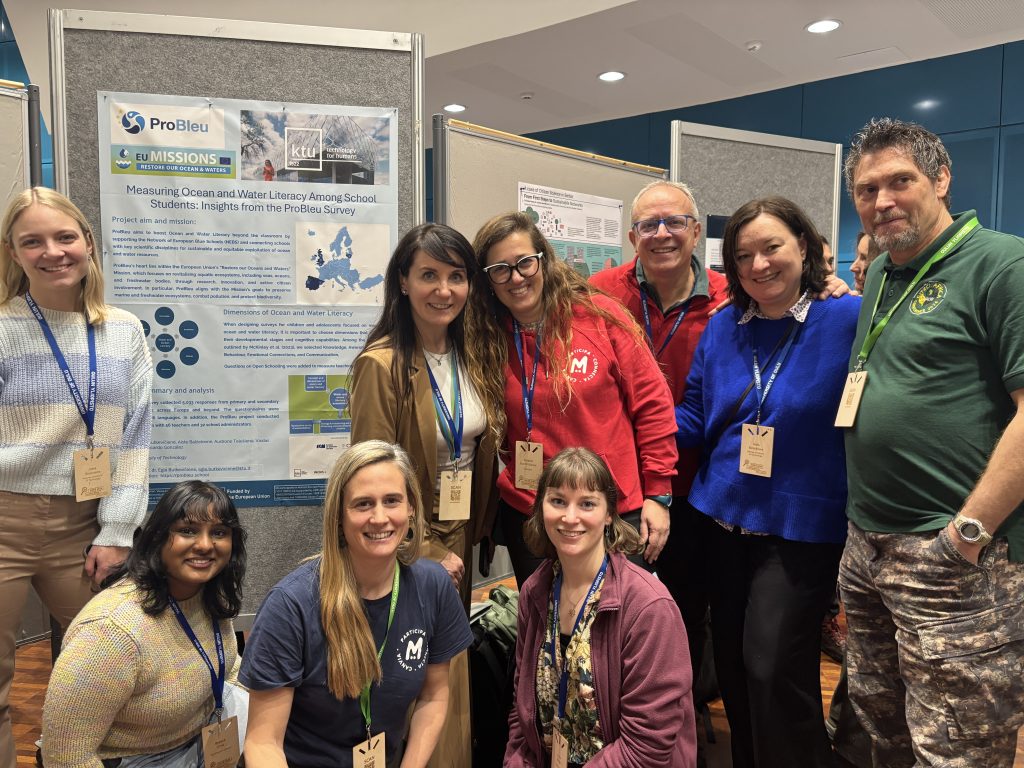
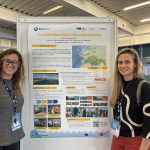
The Kaunas University of Technology (KTU) team presented the poster “Measuring Ocean and Water Literacy among School Students: Insights from the ProBleu Survey.” The poster presented key findings from the project survey assessing ocean and water literacy levels among students and providing insights into how educational initiatives can strengthen understanding of aquatic environments.
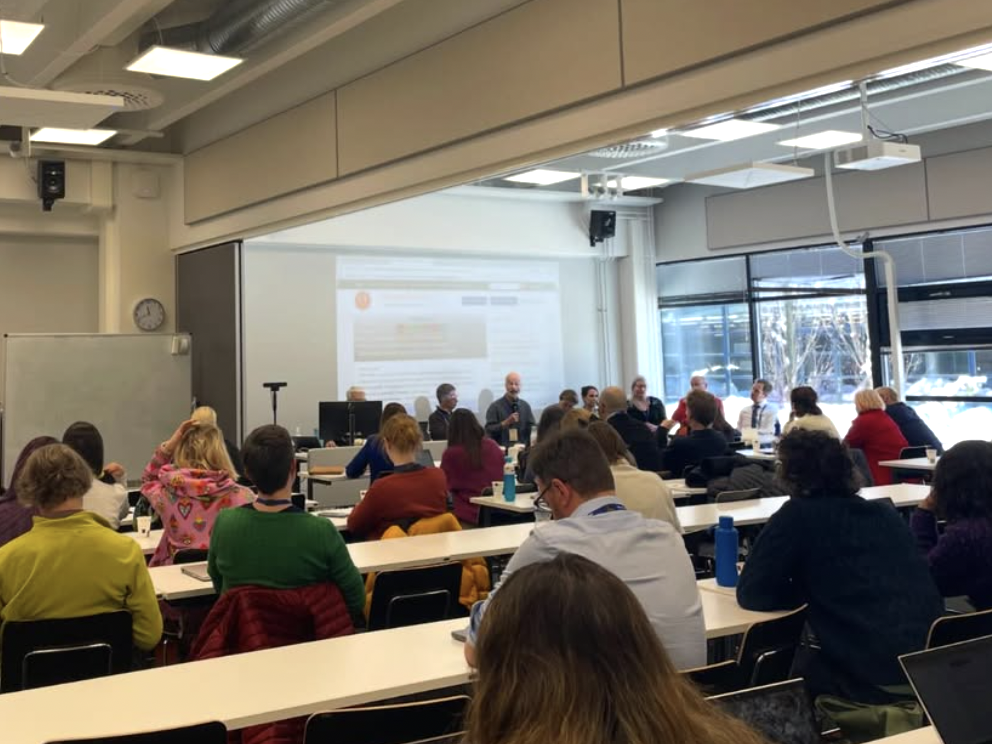
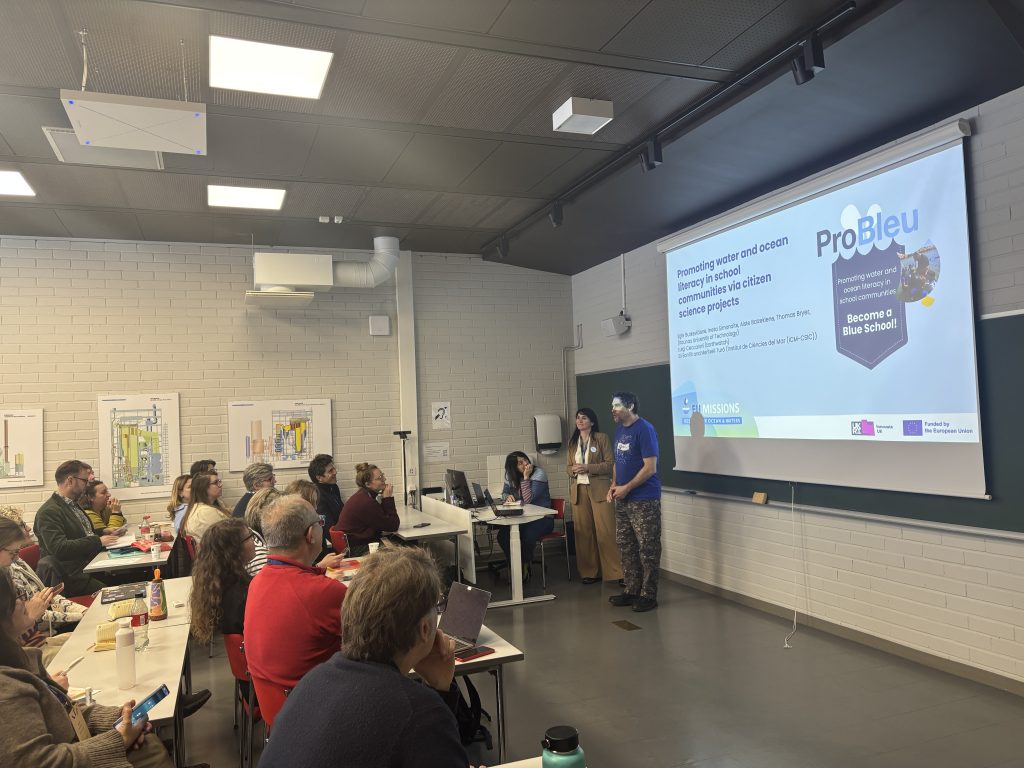
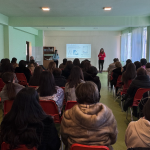
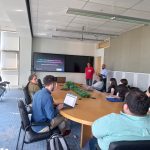
KTU, supported by Earthwatch Europe, also presented results from school projects funded by ProBleu in the presentation “Promoting Ocean and Water Literacy in School Communities via Citizen Science Projects: A Case Study of the ProBleu Project,” delivered in the session “Citizen Science Pathways in Marine and Coastal Monitoring and Research: From Data to Action in Blue Participation.” The presentation highlighted how citizen science initiatives implemented in schools can empower students to contribute to environmental monitoring while strengthening their connection to aquatic ecosystems.
Teaching citizen science through blue education
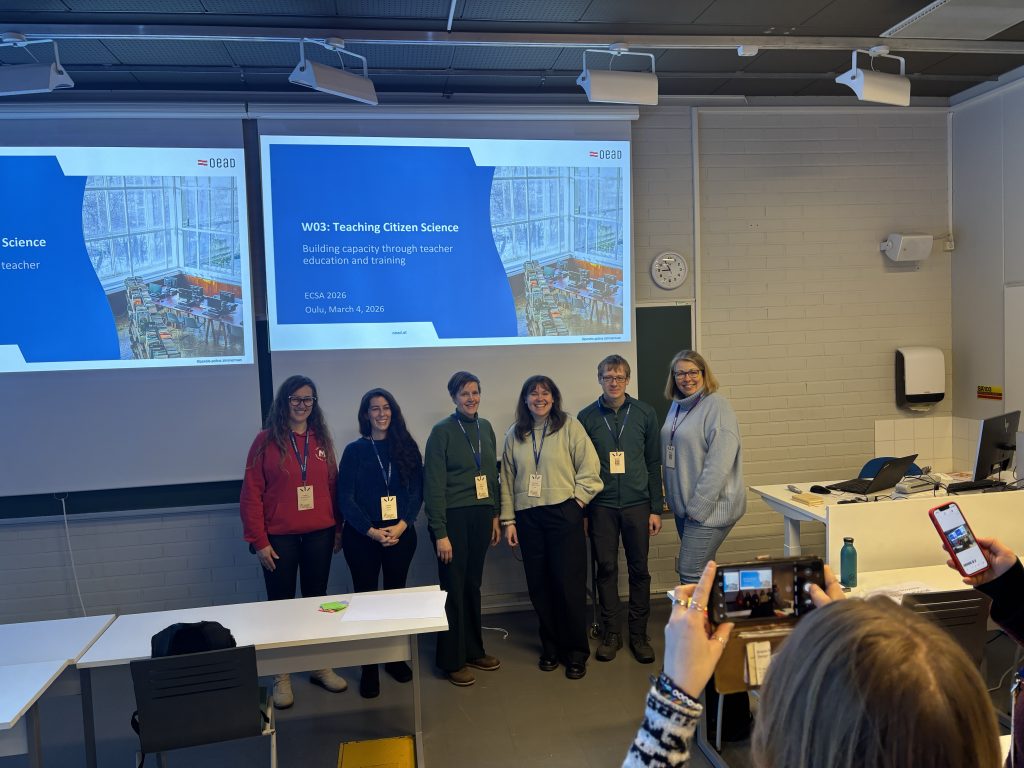
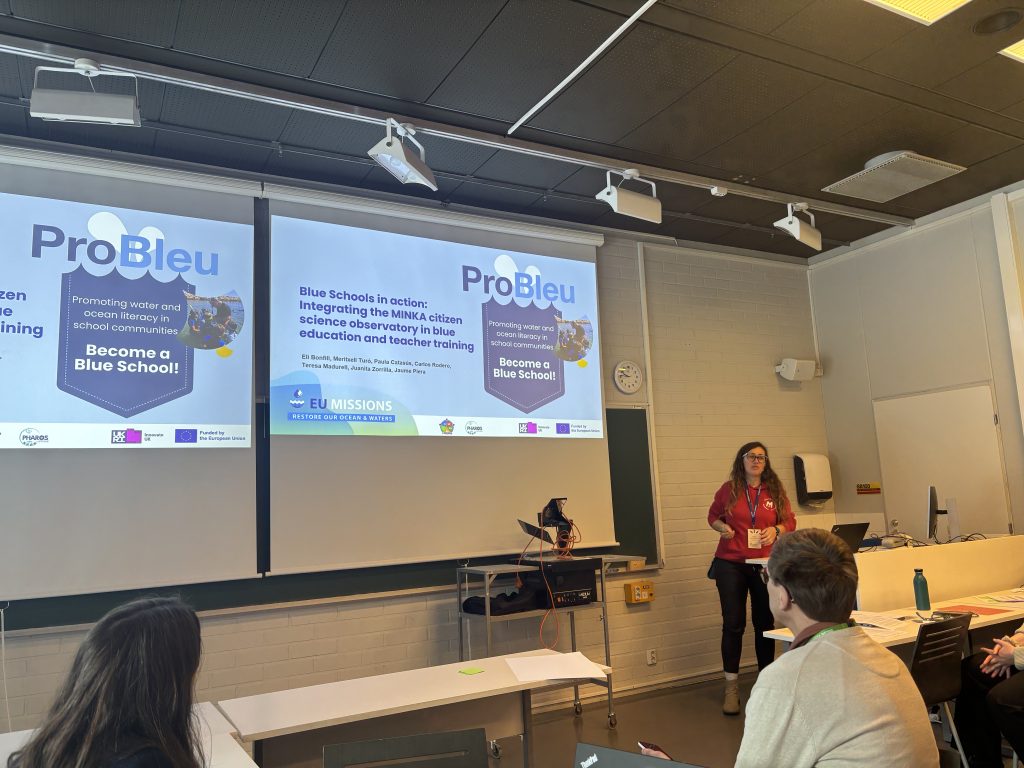
The EMBIMOS research group from the Institut de Ciències del Mar (ICM-CSIC) also contributed to the conference with the presentation “Blue Schools in Action: Integrating the MINKA Citizen Science Observatory in Blue Education and Teacher Training.” The talk was part of the session “Teaching Citizen Science: Building Capacity through Teacher Education and Training.”The presentation explored how citizen science platforms such as MINKA can be integrated into blue education and teacher training, providing educators with practical tools to engage students in biodiversity observation and environmental research.
Communication strategies for inclusive citizen science
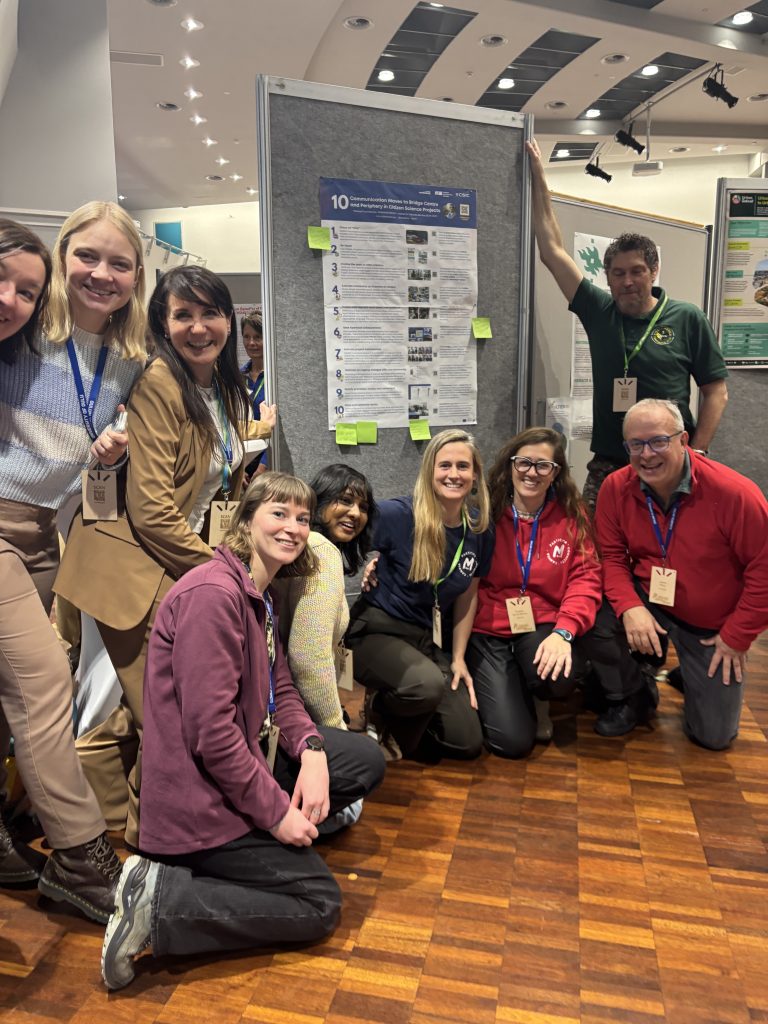
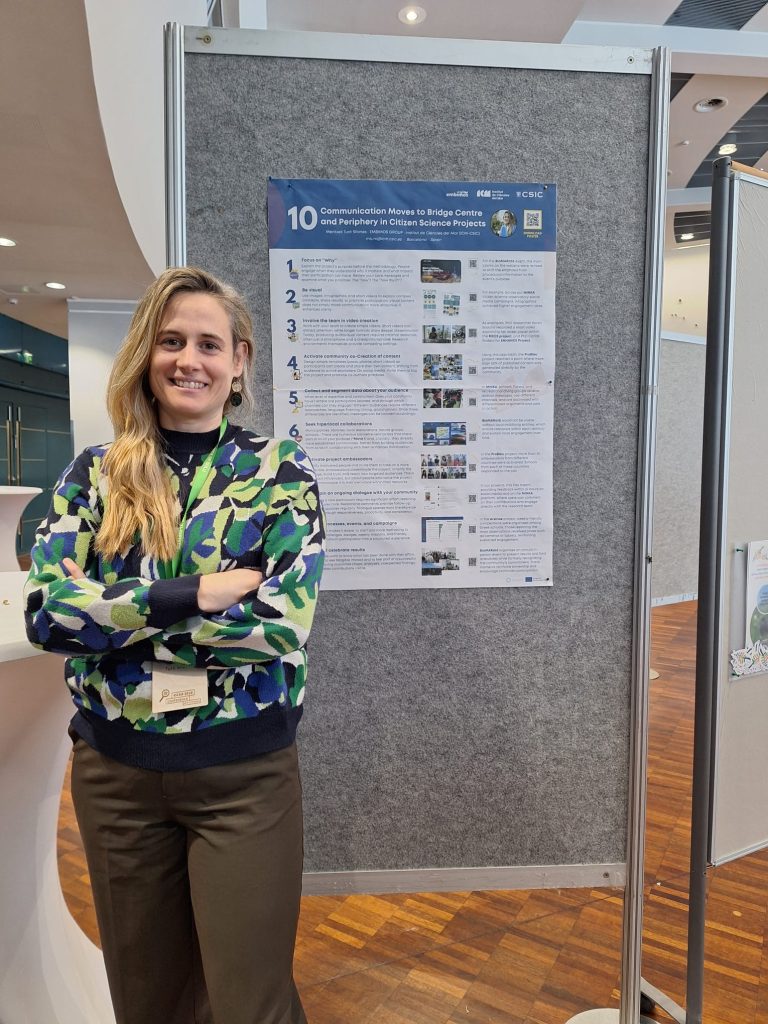
In addition, the EMBIMOS team presented the poster “10 Communication Moves to Bridge Centre and Periphery in Citizen Science Projects.” The poster shares practical communication lessons learned across several initiatives, including ProBleu.
Among the approaches highlighted are strategies used in ProBleu to facilitate collaboration across countries and languages, such as the involvement of linguistic ambassadors and the development of communication templates that allow contributors to become co-authors of communication outputs. These approaches help strengthen engagement between research teams, educators and communities participating in citizen science activities.
Together, these contributions illustrate how ProBleu integrates education, communication and citizen science to empower schools and communities to actively engage with ocean and water sustainability challenges.












 Funded by the European Union