Water Awareness Through Education and Research: Working to Improve Student Engagement (WATERWISE)
Cēsis, Latvia
3rd FUNDING CALL
Freshwater pollution, particularly from microplastics, is a growing environmental challenge. The WATERWISE project is designed to tackle this issue by engaging students in hands-on research while raising awareness through educational storytelling. By studying microplastic pollution in Latvian lakes and producing an educational film, students will gain scientific knowledge, develop communication skills, and inspire others to take action in protecting water ecosystems.
Objectives
WATERWISE has four key objectives:
- Conduct Comparative Water Research – Students will analyze water quality and microplastic pollution in two lakes: one near an urban area and one in a rural setting. By collecting and comparing data, they will assess how different environmental factors influence pollution levels.
- Raise Awareness through Film Creation – The project will equip students with the skills to produce an educational film about microplastic pollution. This film will highlight its impact on freshwater ecosystems and promote sustainable behaviors.
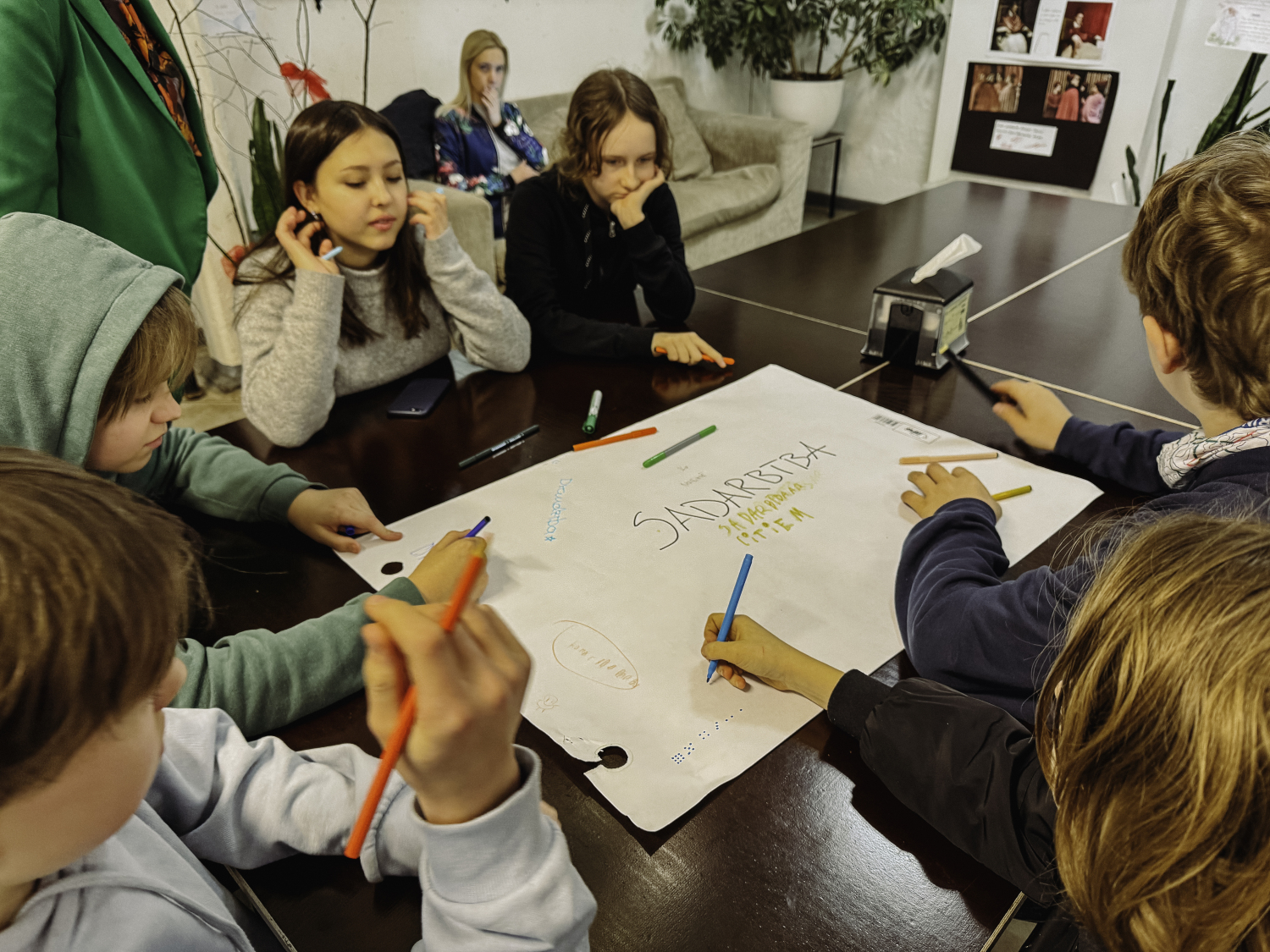
- Promote Environmental Stewardship Among Students – Through hands-on research, workshops, and collaborative activities, students will develop a deeper understanding of water conservation and practical ways to reduce plastic pollution.
- Measure Knowledge Growth and Engagement – Pre- and post-project surveys will track students’ awareness and knowledge, ensuring that participation in research and film production leads to lasting engagement with environmental issues.
Activities and Collaborations
The project follows a structured timeline, integrating scientific research, creative storytelling, and community engagement.
Phase 1: Setup and Team Building (March 2025)
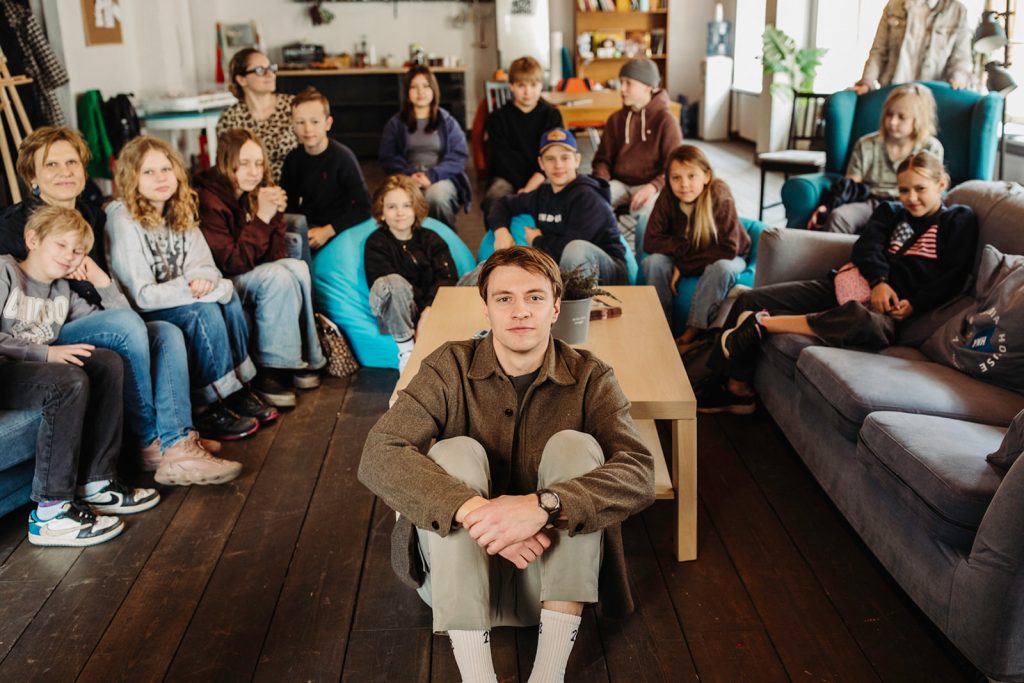
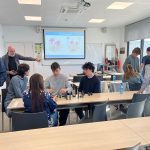
Students, teachers, scientists, and film professionals will come together to define roles and prepare for the project. Local community stakeholders will also be engaged to ensure wider support.
Phase 2: Preparatory Workshops (March- April 2025)
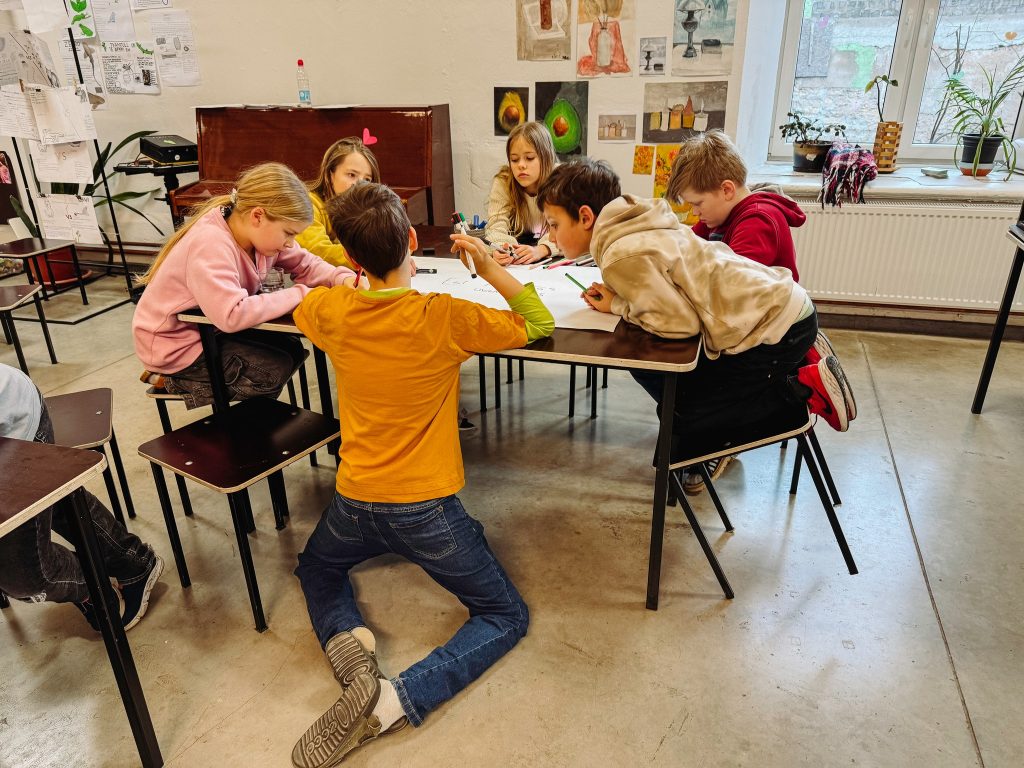
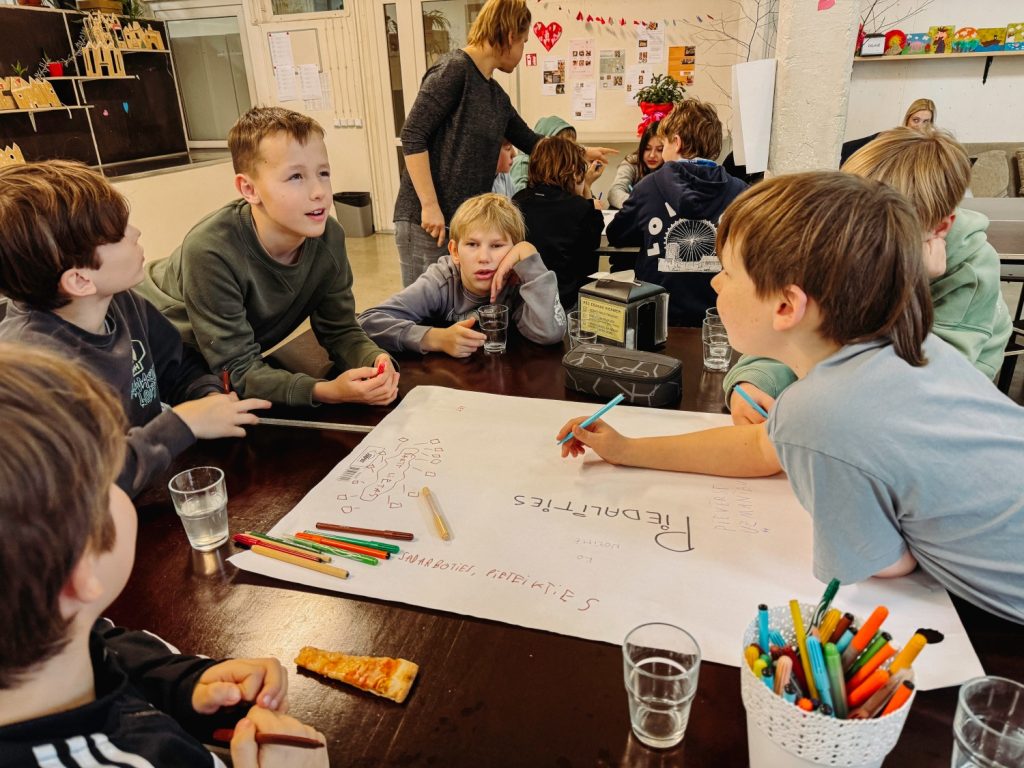
Students will participate in two key workshops:
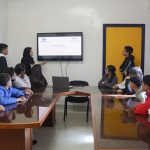
- Filmmaking Workshop – Learning storytelling and production techniques to communicate research findings effectively.
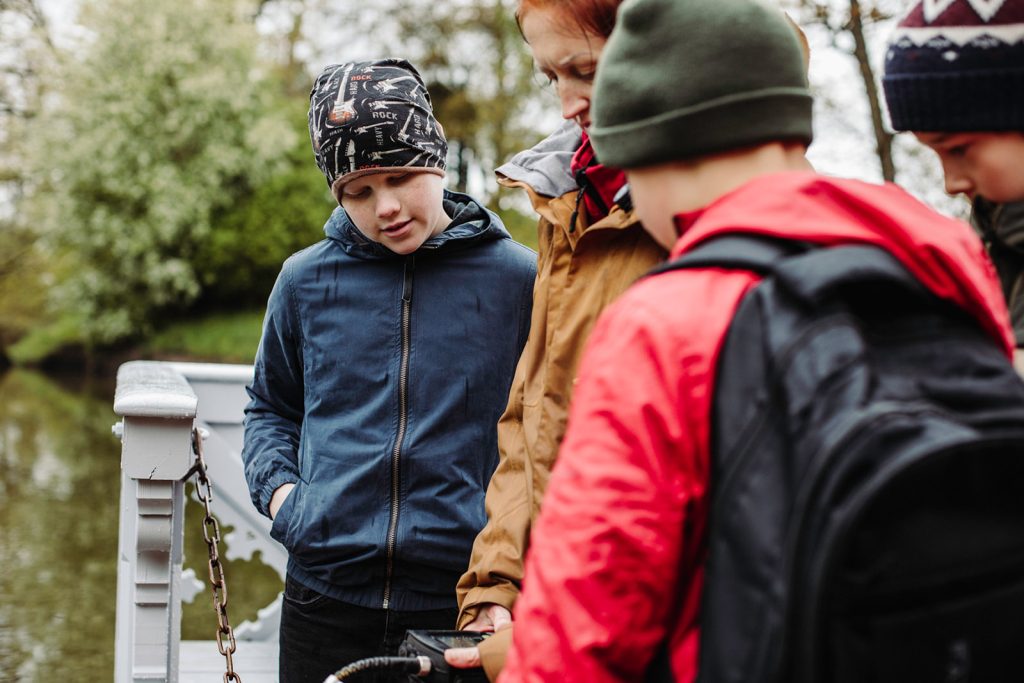
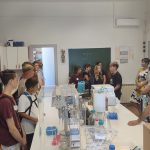
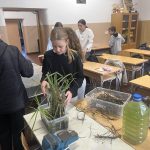
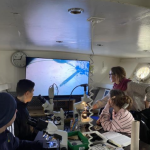
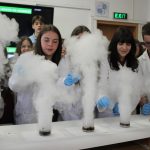
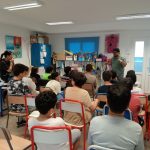
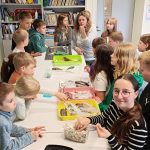
- Scientific Workshop – Gaining hands-on training in water quality testing and microplastic analysis.
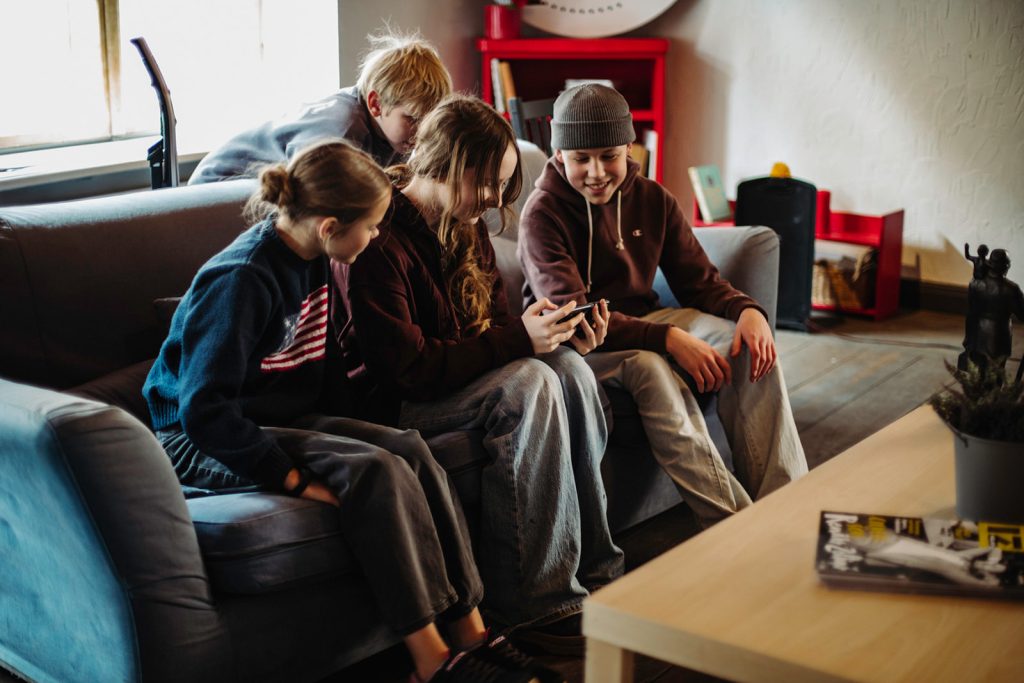
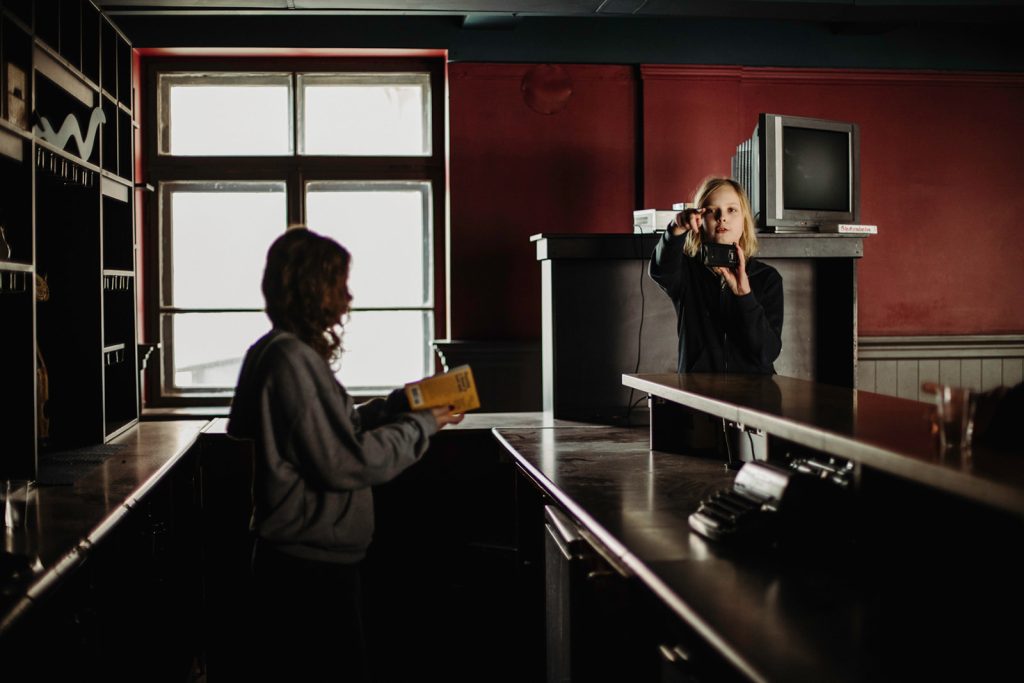
Phase 3: Field Research in Latvian Lakes (April 2025)
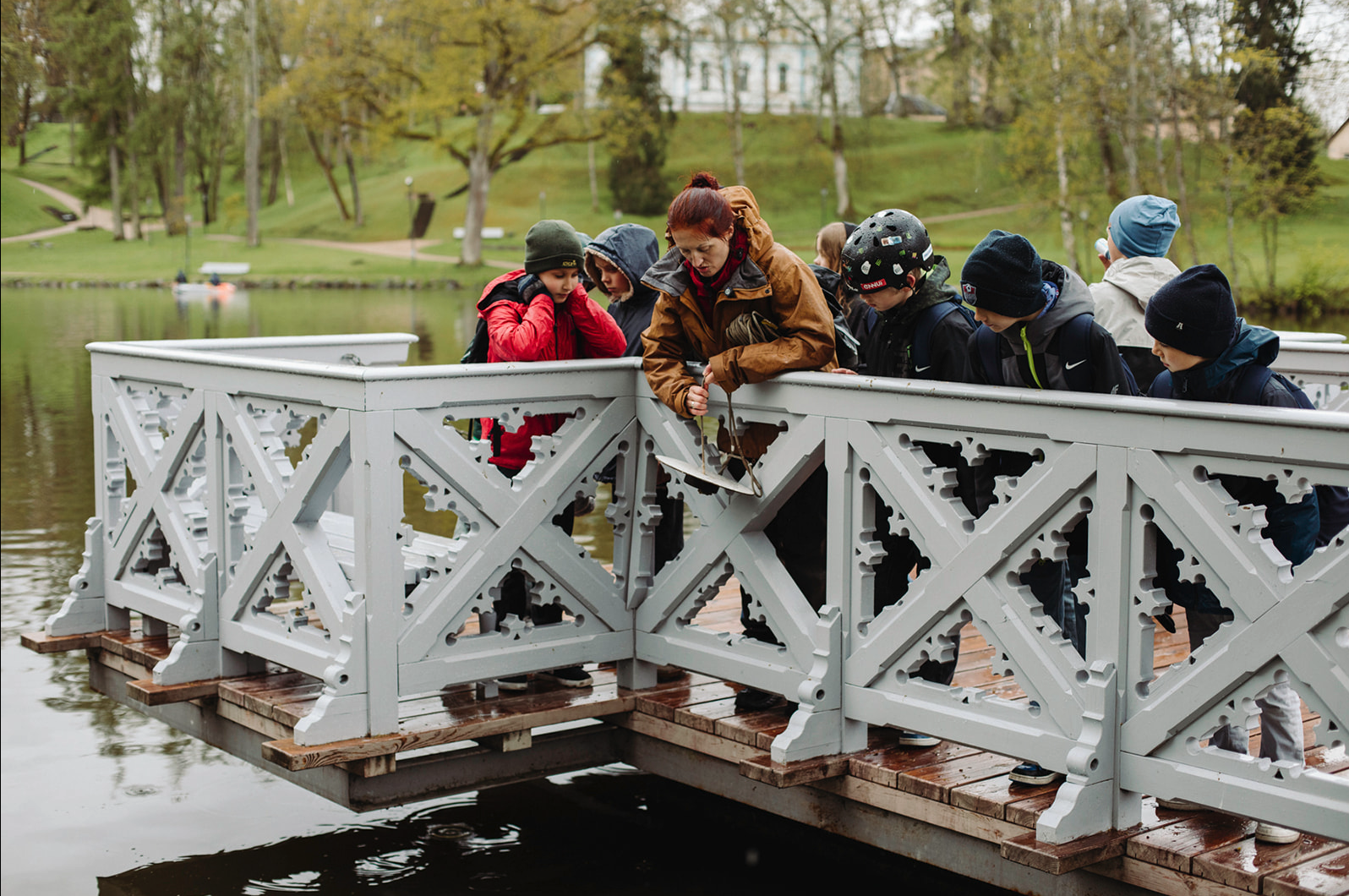
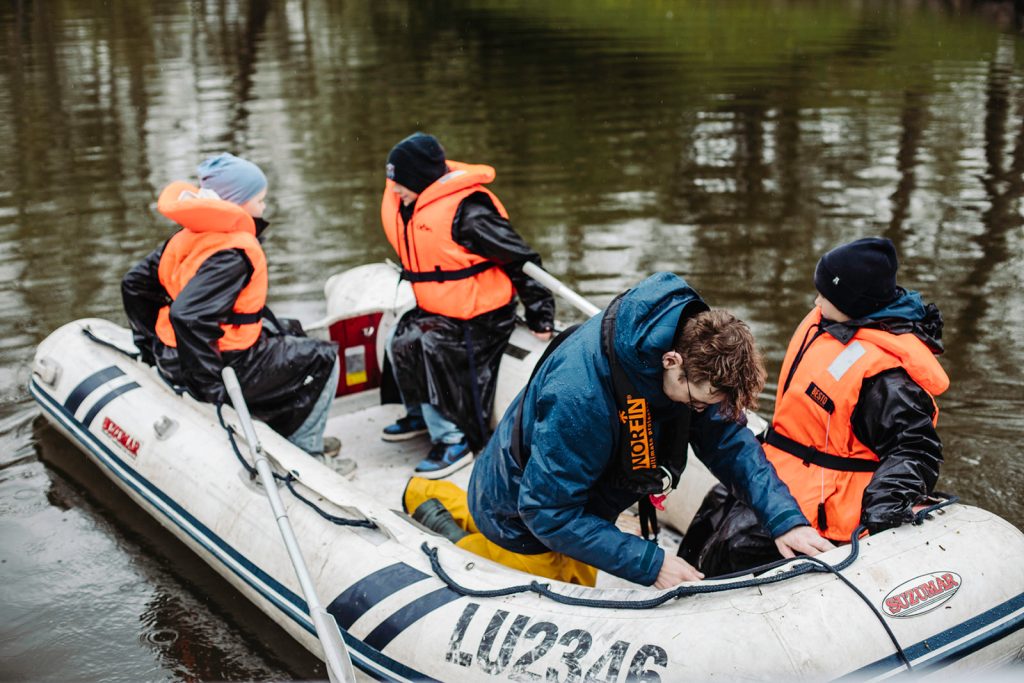
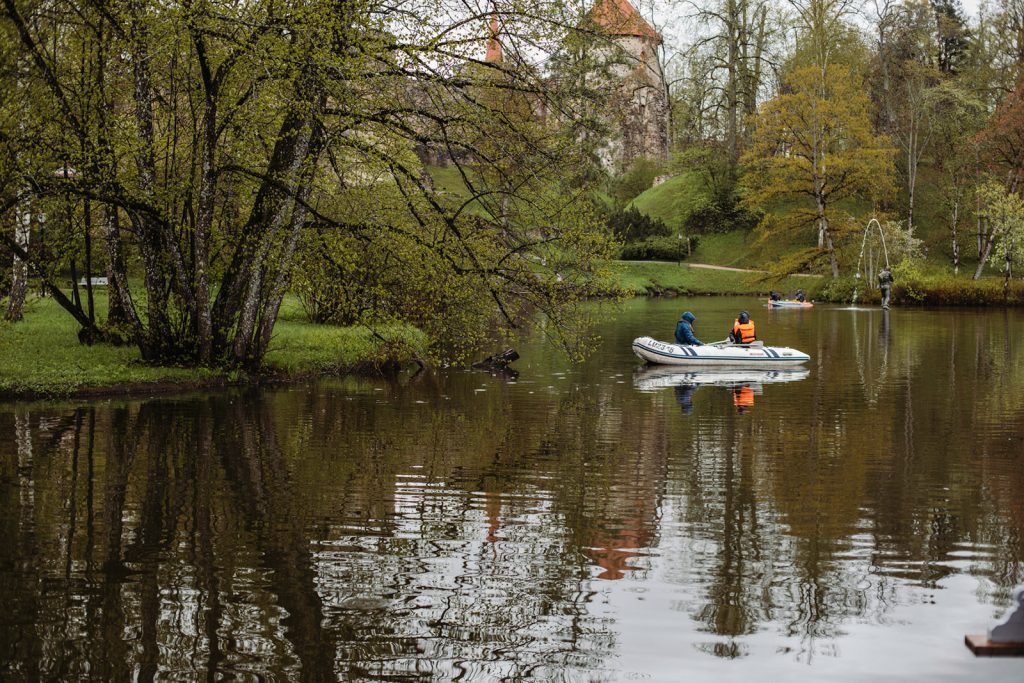
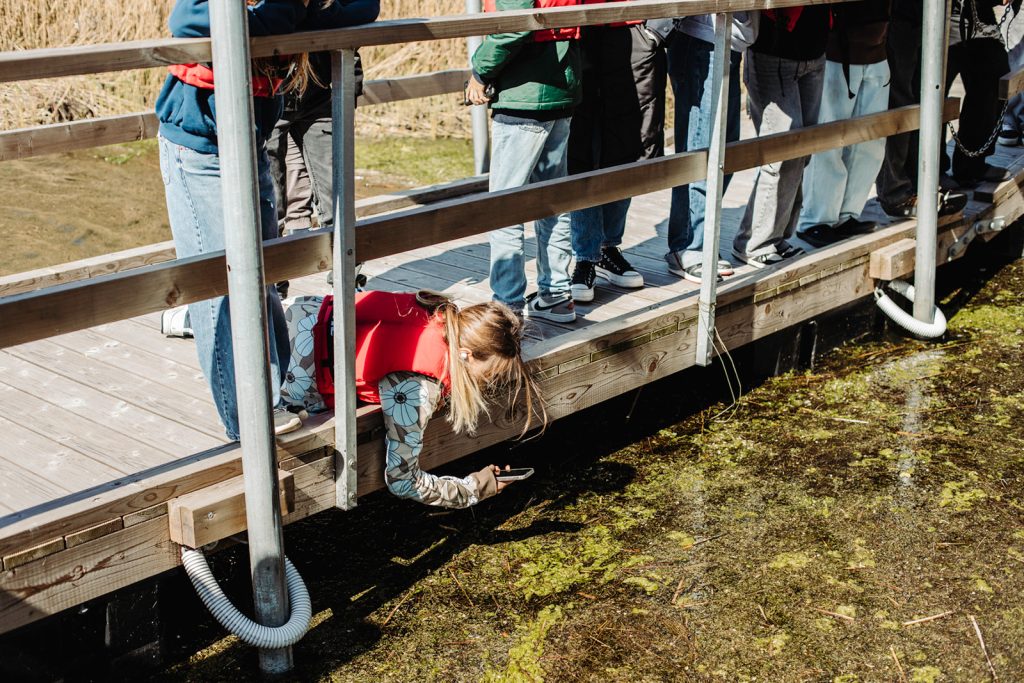
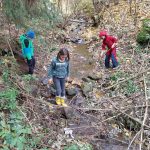
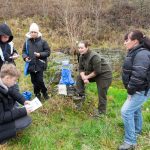
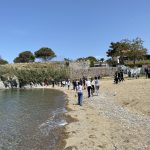
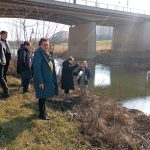
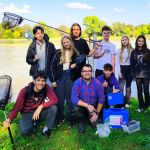
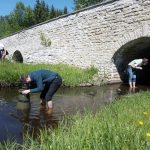
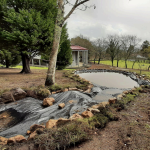
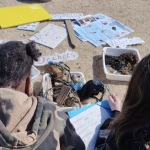
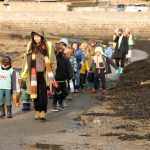
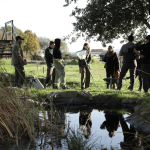
Students will conduct research at two lakes—one urban and one rural—measuring water quality and collecting microplastic samples. This will allow them to understand how human activity affects freshwater ecosystems.
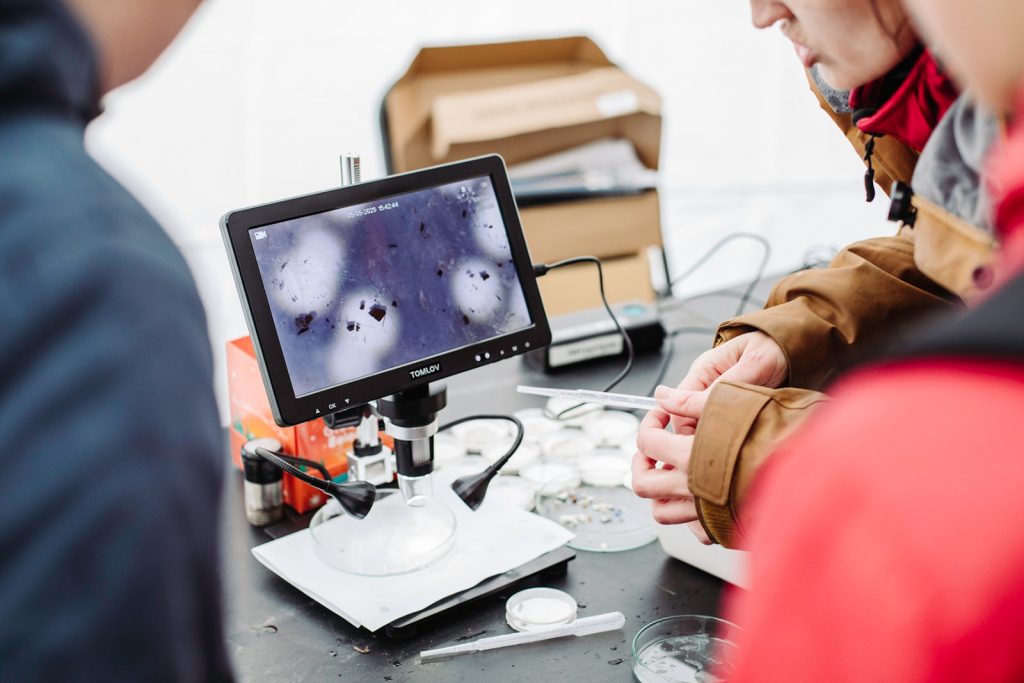
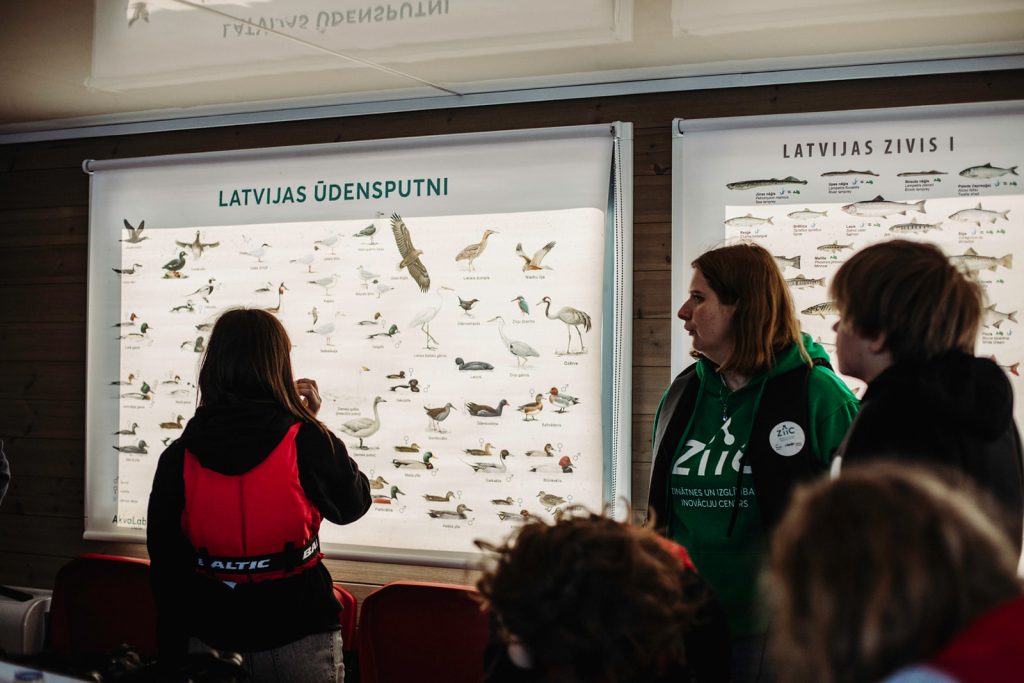
Phase 4: Data Analysis and Reflection (April–May 2025)
Students will analyze their findings with the help of scientists, identifying pollution trends and preparing insights for their film.
Phase 5: Educational Film Production (May–June 2025)
Students will develop a script, film, and edit their educational documentary. This process will reinforce their learning while giving them creative freedom to express their findings.
Phase 6: Community Engagement and Film Presentation (September 2025)
A public screening will be held, where students will present their research and lead discussions on reducing microplastic pollution. Families, schools, and local organizations will be invited to participate.
Phase 7: Film Distribution and Outreach (September–October 2025)
The film will be shared with at least 20 schools, along with an educational packet for teachers. Additional outreach through social media will expand the project’s reach.
Phase 8: Evaluation and Reporting (November 2025)
Surveys and feedback will measure the project’s impact on student learning and community engagement. A final report will be shared with ProBleu and local stakeholders.
Outputs
The WATERWISE project will produce several valuable resources:
- Educational Film on Microplastic Pollution – A student-produced documentary that explains the sources, effects, and solutions to microplastic pollution. It will be distributed to schools and shared through ProBleu’s educational catalogue.
- Research Data and Analysis Reports – Detailed findings from the water quality and microplastic studies, including visual data such as graphs and photos. These reports will be made available for future research and educational use.
- Educational Packet for Schools – A digital resource containing the film, discussion guides, interactive activities, and information on microplastic pollution. This will support classroom and online learning.
- Social Media Content and Outreach Materials – Students will create infographics, short videos, and awareness campaigns to spread their message beyond the classroom.
Impact
WATERWISE aims to inspire and equip young people to be advocates for water conservation. By participating in real-world research and storytelling, students will develop scientific and communication skills while fostering a sense of environmental responsibility.
The project’s community outreach will ensure that the conversation extends beyond the classroom, encouraging families, schools, and policymakers to take action against plastic pollution. With resources that can be adapted and used in other educational settings, WATERWISE has the potential to influence schools beyond Latvia, contributing to a broader movement for freshwater protection.
This initiative proves that young people can be powerful drivers of change. By combining science, media, and civic engagement, WATERWISE not only educates but also empowers the next generation to protect our planet’s most precious resource—water.


























 Funded by the European Union