
Boiro, Spain
4th FUNDING CALL
Objectives
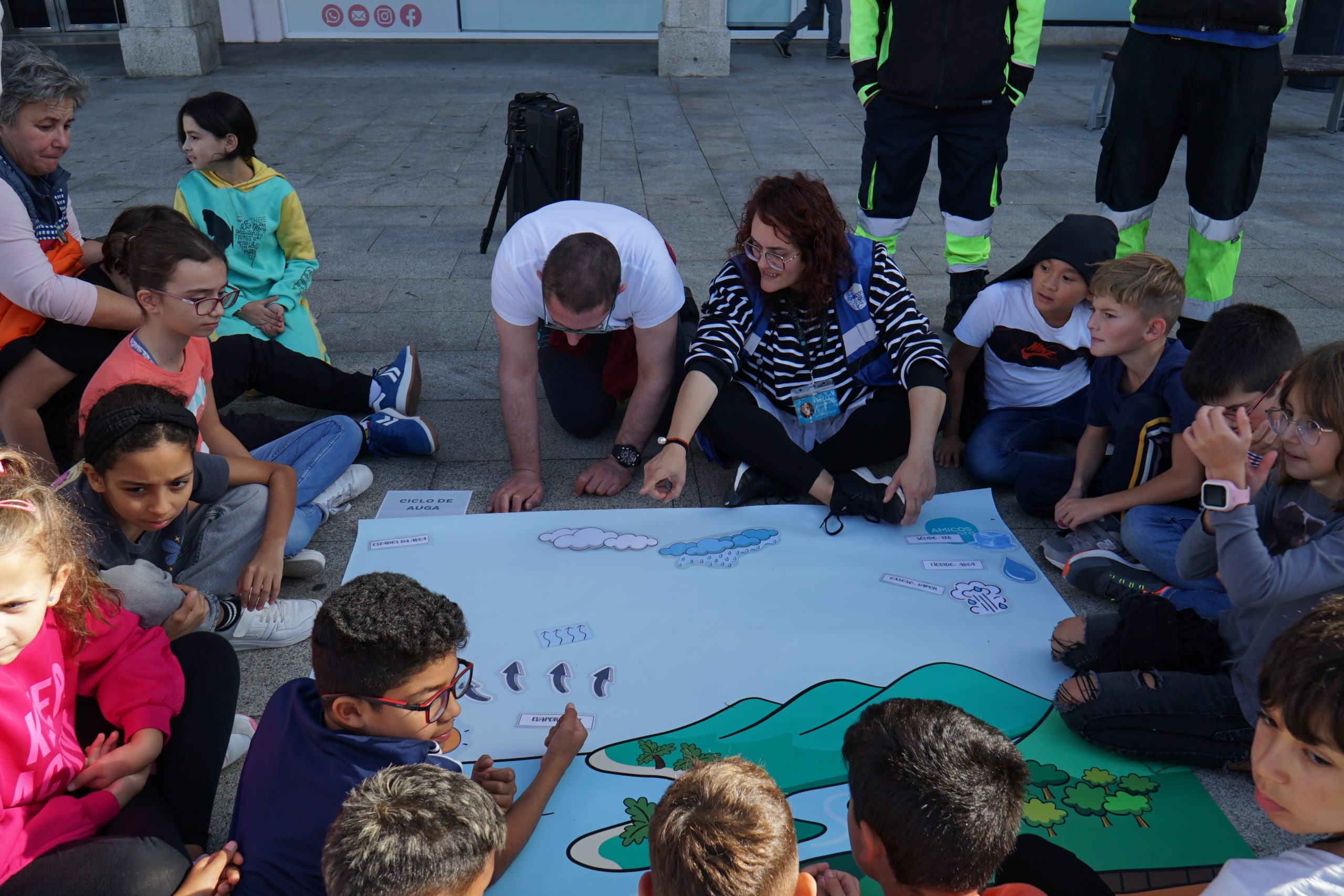
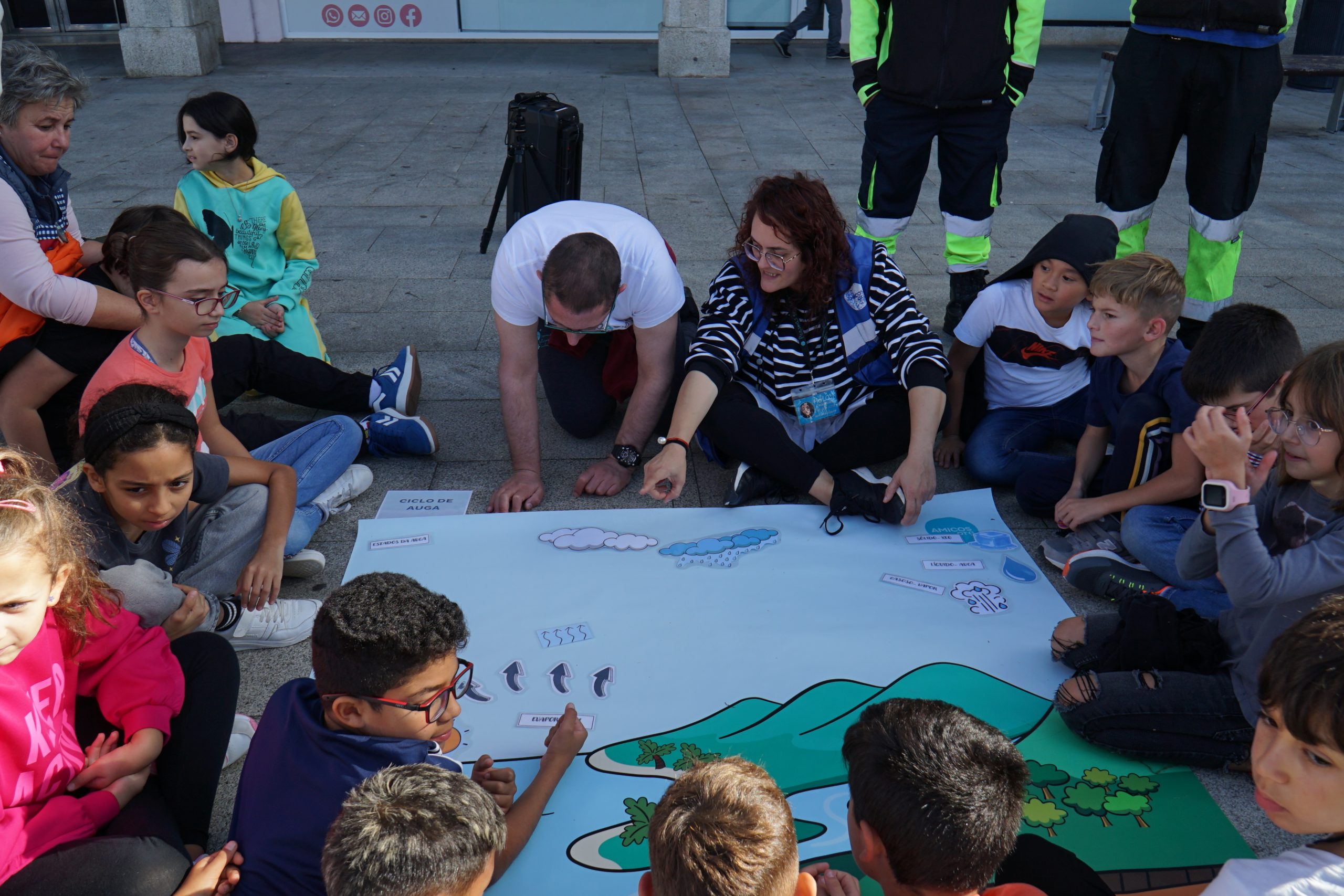
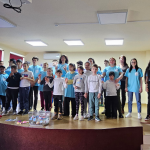
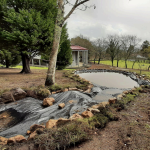
Colegio Pekes de Amicos is launching IN-RIVER: Inclusive Learning for River Conservation, a four-month project that connects students with the ecology of their local rivers. The initiative aims to build environmental awareness, reduce plastic waste, and strengthen the school’s inclusive mission. It focuses on three main objectives:
- Deepening knowledge of river ecosystems — from riparian forests and water flow to fauna — using hands-on, investigative learning.
- Raising awareness of human impacts on aquatic and terrestrial habitats, especially pollution and plastic waste, and their link to marine degradation.
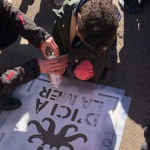
- Producing inclusive educational resources in easy-to-read formats and pictograms to ensure accessibility for all learners, including those with special educational needs (SEN).
Activities & Collaborations
The project unfolds in three phases:
- Phase 1: Planning and Preparation (Weeks 1–2)
Teachers, environmental facilitators, and designers will develop two inclusive teaching units — one on environmental awareness and another on river system knowledge. These units will use accessible language, visual aids, and adaptable formats. - Phase 2: Implementation (Weeks 3–8)
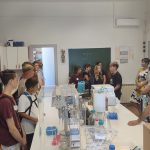
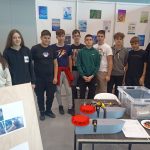
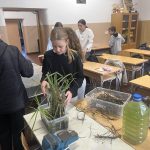
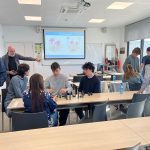
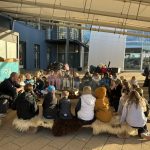
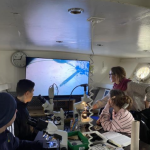
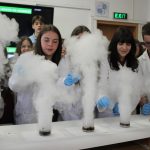
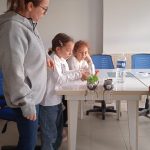
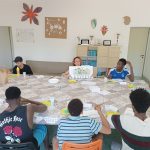
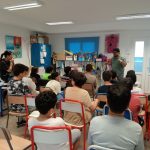
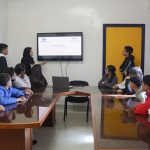
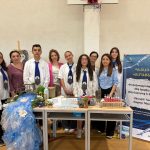
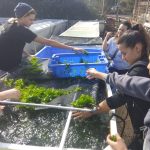
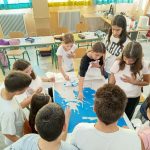
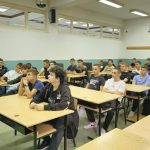
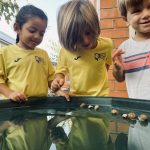
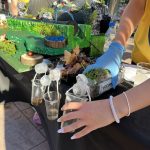
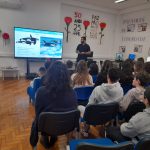
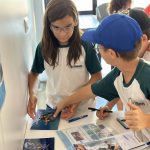
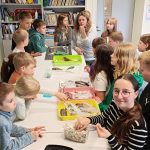
- Biodiversity Workshop: Held at the school, these sessions use explanatory panels, observation kits, and guided activities to introduce flora, fauna, and river ecology, encouraging reflection on the fragility of these systems.
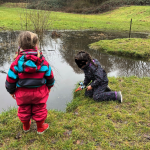
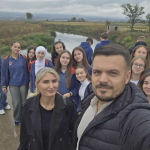
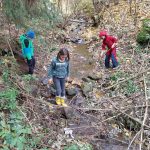
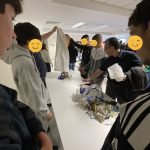
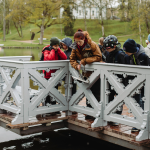
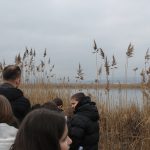
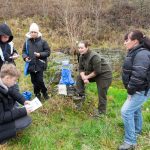
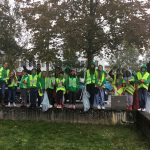
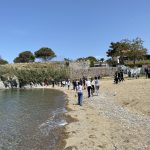
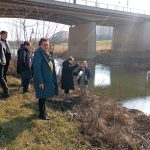
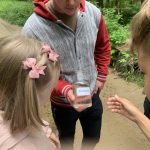
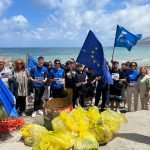
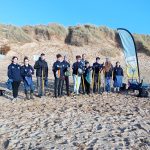
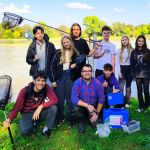
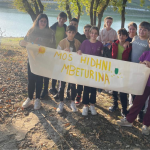
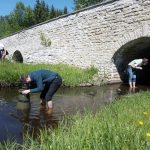
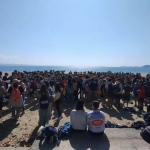
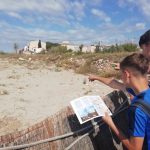
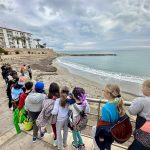
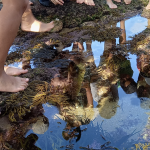
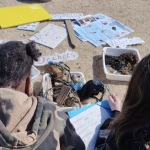
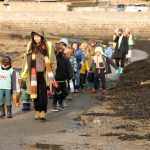
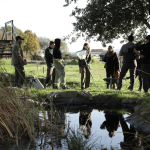
- Bioblitz: An outdoor activity along a local river trail where mixed teams — including students from the partner school CEIP Plurilingüe Sestelo-Baión — identify species, collect litter, and solve ecological challenges. Families and volunteers will join, fostering teamwork and a shared sense of responsibility.
- Biodiversity Workshop: Held at the school, these sessions use explanatory panels, observation kits, and guided activities to introduce flora, fauna, and river ecology, encouraging reflection on the fragility of these systems.
- Phase 3: Results & Dissemination (Weeks 9–12)
Feedback from the activities will refine the didactic units. All materials, along with videos and images from the events, will be published online for open access, including via the BlueSchools network.
Partnerships are central to IN-RIVER. CEIP Plurilingüe Sestelo-Baión will participate in fieldwork, reinforcing the message of environmental stewardship. Amicos’ established collaborations with local authorities, NGOs such as AUGAS DE GALICIA, and previous school partners will also inform the project’s approach.
Expected Outputs
- Two comprehensive, inclusive didactic units:
- Environmental Awareness Unit covering human impacts, pollution, and sustainable river practices.
- River System Knowledge Unit detailing ecosystem functions, species identification, and habitat protection.
- Environmental Awareness Unit covering human impacts, pollution, and sustainable river practices.
- Workshop guides, activity sheets, and interactive kits available in multiple languages and formats, designed for accessibility.
- Short educational videos and images to illustrate biodiversity, threats, and conservation actions.
Impact
The project directly involves all 20 students at Colegio Pekes de Amicos, and 25 students from the partner school. By engaging in citizen science — including collecting and uploading biodiversity data to the “Pl@nt Identify” platform — students will actively contribute to environmental research.
IN-RIVER will also strengthen community ties. Families will receive resources to extend learning at home and be encouraged to adopt sustainable practices. Teachers will integrate project content into the curriculum, connecting classroom lessons to real-world environmental issues.
Sustainability is built into the project’s design. Activities will follow Amicos’ certified carbon-neutral practices, using eco-friendly transport and energy-efficient facilities. The emphasis on open-access materials ensures that schools and organisations far beyond Boiro can benefit from the work.Through practical exploration, collaborative fieldwork, and accessible educational materials, IN-RIVER will help students become informed, active participants in caring for their local rivers — and by extension, the planet’s interconnected water systems.

























 Funded by the European Union