
Beersel, Belgium
4th FUNDING CALL
Objectives
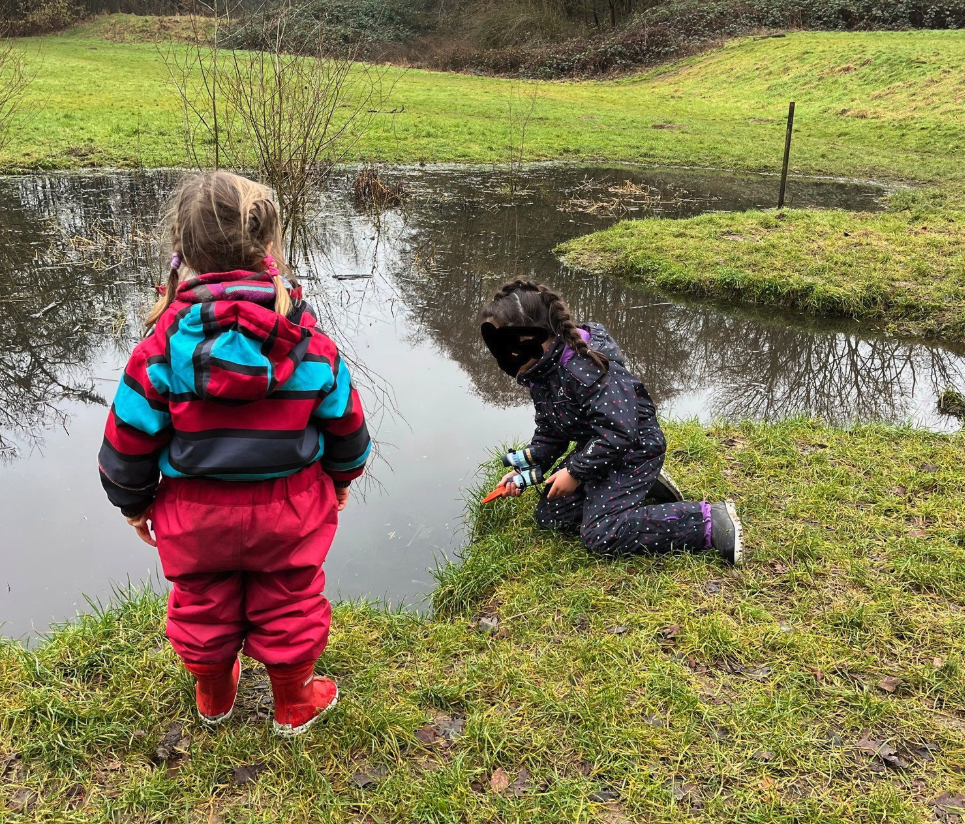
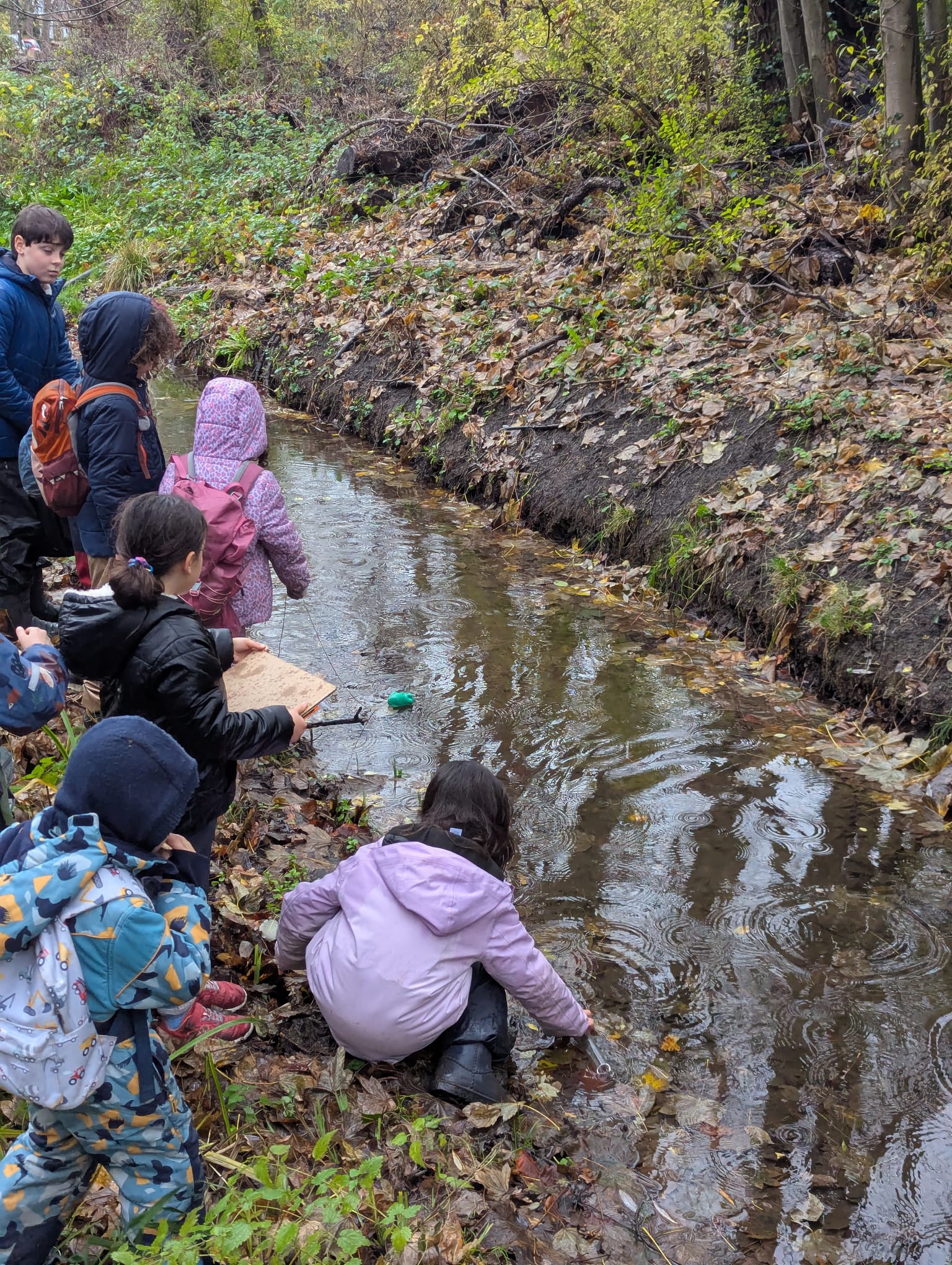
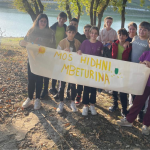
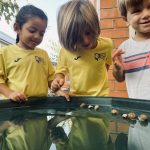
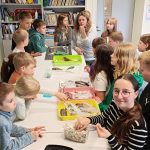
The Kweebus school, a small, nature-based institution in Beersel, Belgium, is launching a six-month project called The Guardians of the Streams. The project will involve all 25 students, aged 6 to 12, in the scientific and emotional discovery of local freshwater ecosystems, including the Zenne, Vleze, and Maelbeek rivers. Rooted in a nature-based pedagogical approach, the project aims to foster curiosity, critical thinking, and deep ecological awareness, with the goal of creating a new generation of active water stewards.
The project has several key objectives.
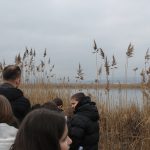
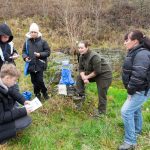
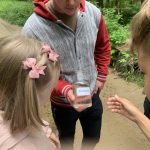
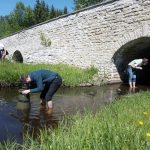
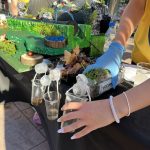
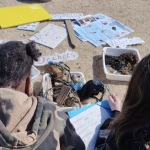
- Foster Ecological Literacy: The project aims to increase students’ awareness of the biodiversity and vulnerability of local rivers and streams through field visits and citizen science activities, such as water quality testing and macroinvertebrate identification.
- Develop Scientific Competencies: Students will learn to observe, document, and interpret ecological data using scientific tools.
- Promote Student Agency: The project positions children as “guardians” of aquatic ecosystems, empowering them to share their knowledge with peers, families, and the community.
- Establish a Lasting Practice: The goal is to create a replicable model for other schools to use for participatory water monitoring.
Activities & Collaborations
The project will run for seven months, from September 2025 to March 2026, and is divided into four main phases.
Phases of the Project
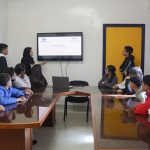
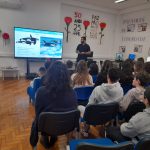
- Preparatory Phase (September): Kweebus teachers and educators from the local partner, Toverbos, will finalize scientific protocols, identify observation sites, and prepare learning materials. Teachers will also receive training from environmental education professionals.
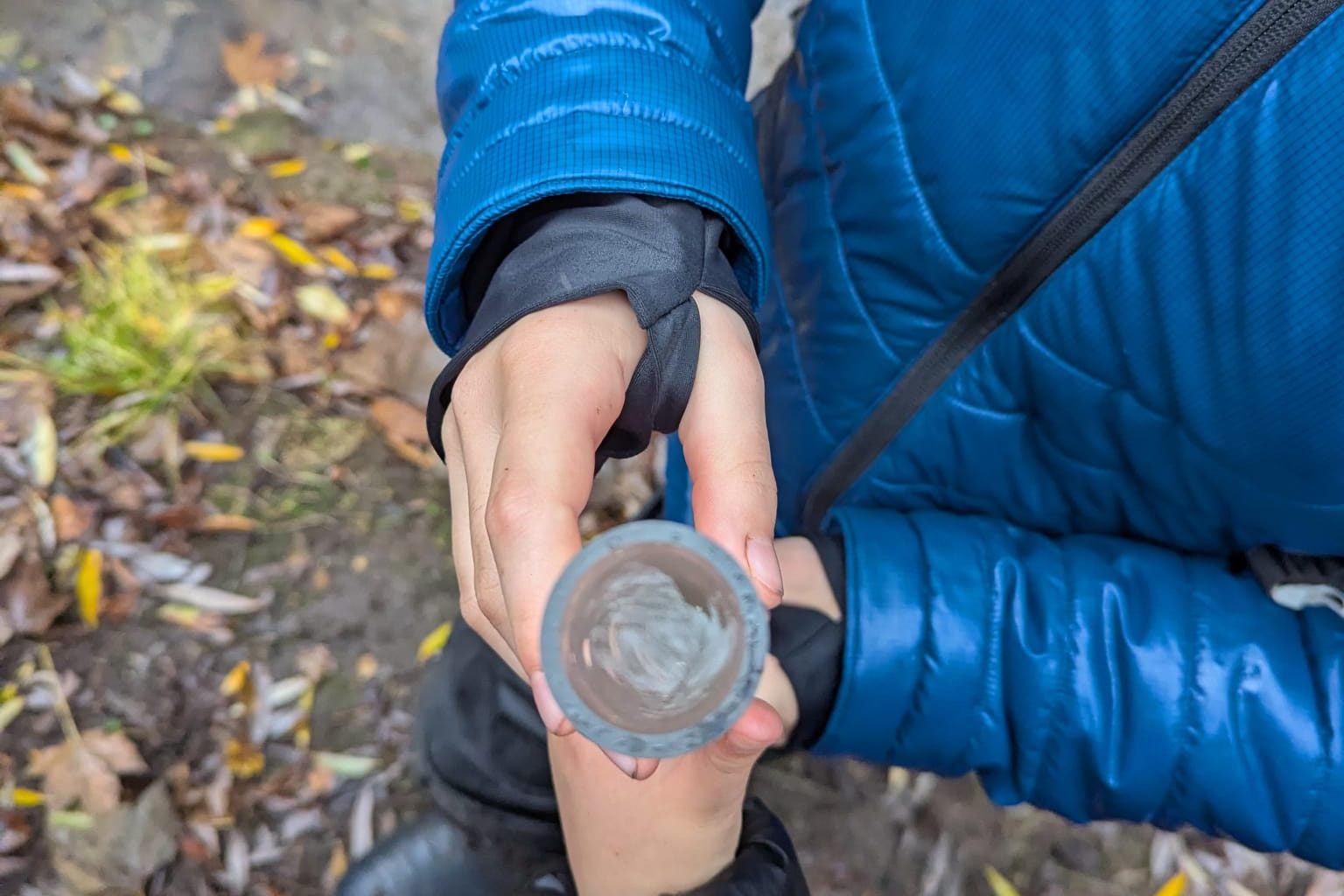
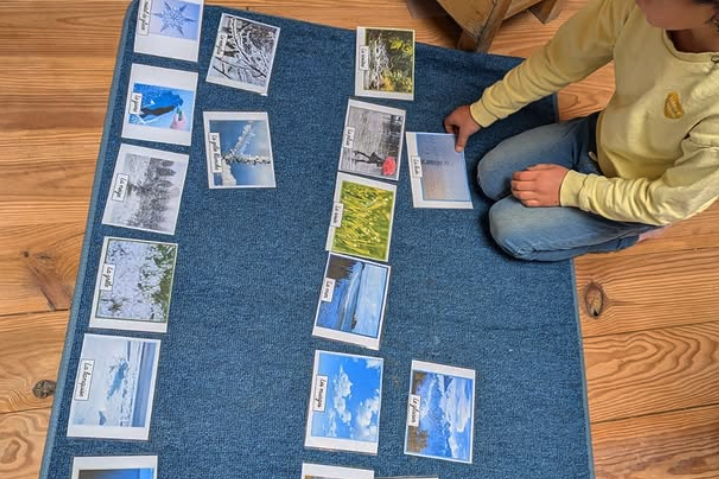
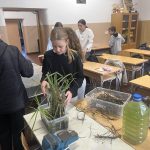
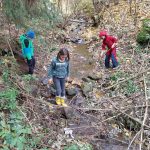
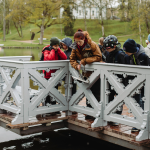
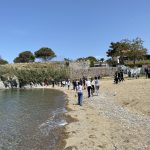
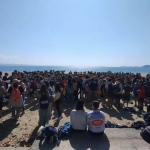
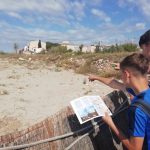
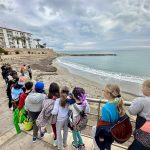
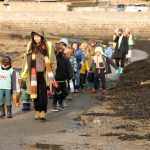
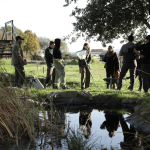
- Core Implementation Phase (October-November): Weekly field trips will involve students observing and documenting the characteristics of freshwater ecosystems using citizen science tools. In-class analysis will help children connect data to broader ecological concepts.
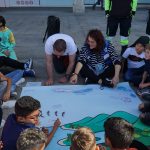
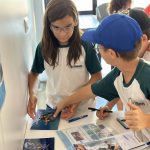
- Creative Synthesis Phase (December): Students will transform their observations into communication materials like posters, podcasts, and narratives to share their findings.
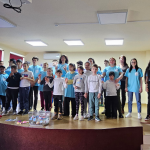
- Dissemination Phase (January-March): The project will culminate in a public event called “River Guardians Day” where students will lead interactive exhibitions and nature walks for their families and community members.
Collaborations
- Toverbos: This partner organization will contribute its expertise in nature-based education and co-host selected activities.
- Local NGOs and Authorities: The school plans to involve local environmental NGOs, such as River Cleanup and Natagora, for mentoring and support. Preliminary outreach has also been made to the local municipality for institutional visibility and future support.
- Families: Families will be engaged from the start, with invitations to accompany field visits and participate in the River Guardians Day.
Expected Outputs & Impact
The project is designed to produce a variety of educational and communication outputs that are reusable and widely shareable.
Outputs
- River Guardians Toolkit: This will be a collective resource including field data sheets, observation protocols, and illustrated guides to local aquatic species.
- Communication Materials: Students will create posters, infographics, podcasts, and video clips summarizing their findings on water quality and biodiversity.
- Open Access Resources: All materials will be made freely available online and submitted to the ProBleu team for their catalogue of teaching aids.
Impact
Community Engagement: By positioning children as knowledge holders and making resources openly available, the project fosters a culture of open schooling and strengthens the ties between the school and the external community.
Curriculum Integration: The project’s activities and outputs will be fully integrated into the school’s science and environmental education curriculum. It will also create interdisciplinary links with language arts, geography, and art.
Long-Term Resources: The toolkit and biodiversity guides will remain as permanent resources for the school to be used by new students in future years.



























 Funded by the European Union