Fushë, Kosovo
4th FUNDING CALL
Objectives
The project aims to create a short documentary about the state of freshwater ecosystems in the region, using a combination of student-led research, interviews, and visual storytelling. The final documentary will be made public in both Albanian and English. This project is a clear example of an open schooling approach, bringing together students, teachers, families, local authorities, and NGOs to address a shared environmental challenge.
The project has three main objectives:
- To increase students’ knowledge about local freshwater systems and their role in the broader water cycle.
- To develop students’ skills in media production, journalism, environmental science, and civic engagement.
- To create a high-impact, reusable educational resource for raising awareness about water challenges in Kosovo.
Activities
The “Waters of Kosovo” project will be implemented through a series of planned activities.
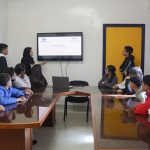
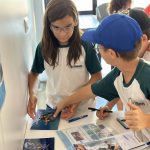
- Project Launch and Planning: During the first month, school staff, students, and an external mentor will introduce the project, select the documentary team, and provide training in basic interview and video skills.
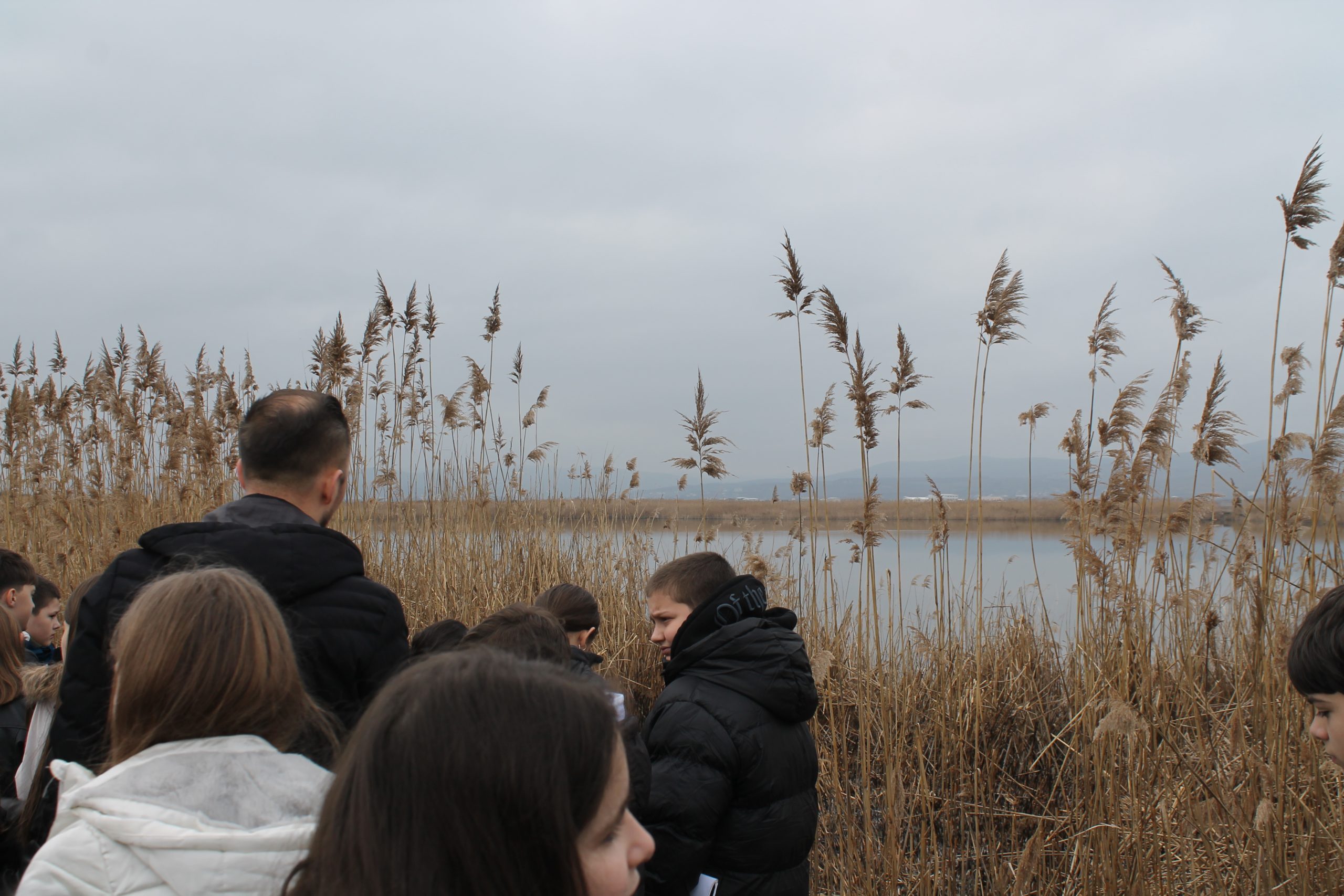
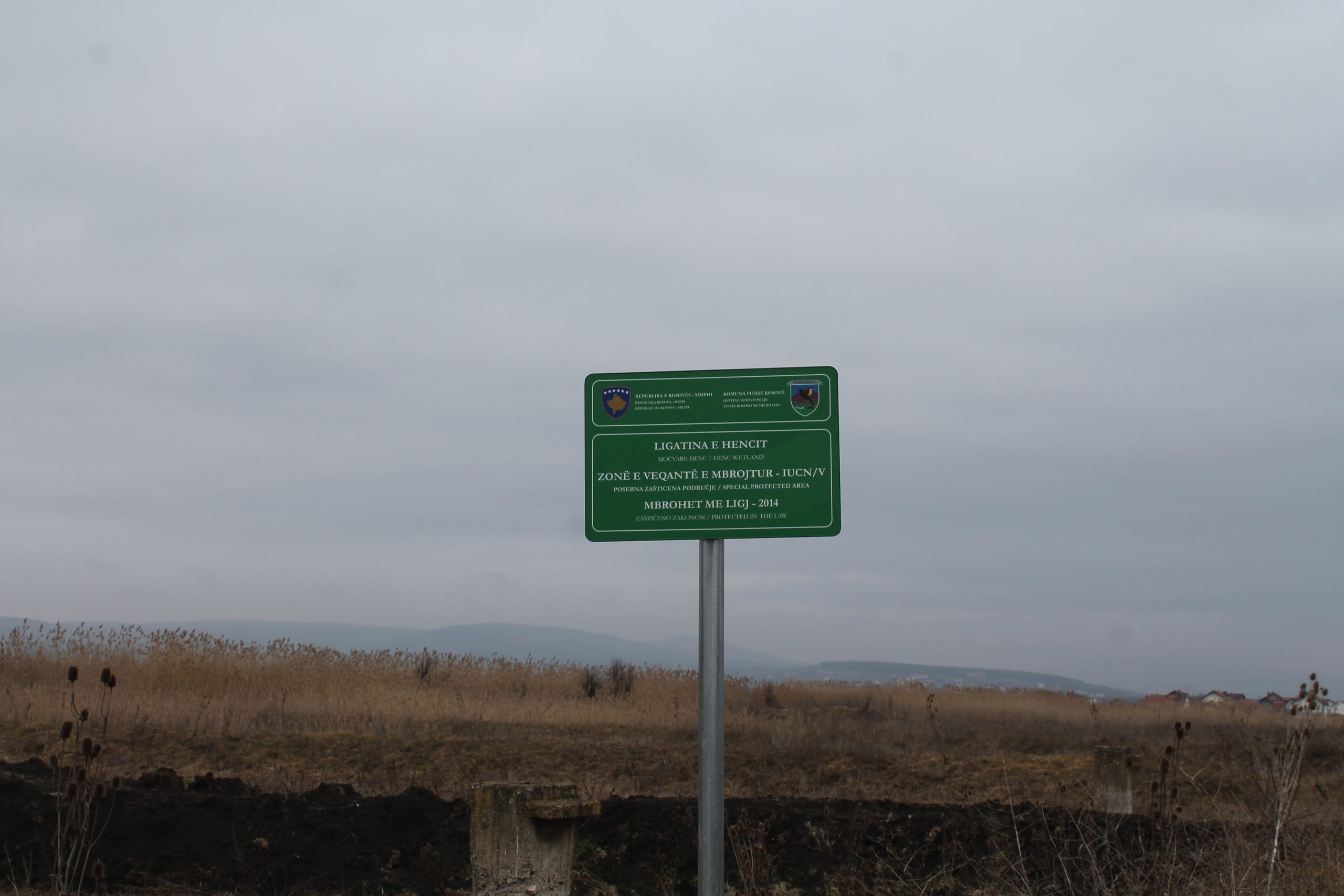
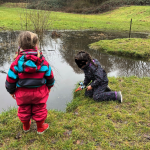
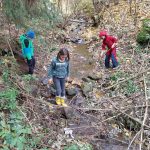
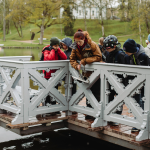
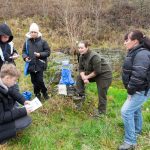
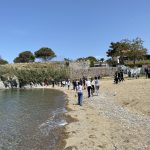
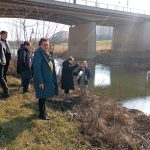
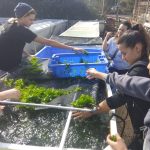
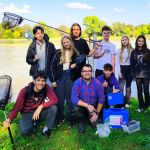
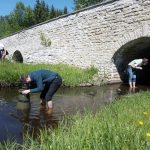
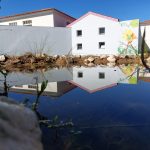
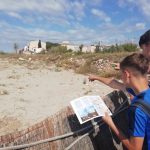
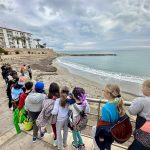
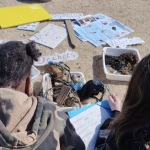
- Field Research and Data Collection: Months two and three will involve students and teachers visiting local rivers like Sitnica, documenting conditions with photos and videos, observing water quality, and collecting testimonies from residents and experts. The project will use citizen-science methods to gather data that will be openly shared.
- Scriptwriting and Video Production: Over months four and five, students will structure the story, write narration, edit video clips, and add English subtitles with support from an IT/media teacher and a translator.
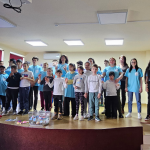
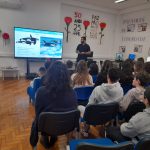
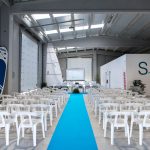
- Screening and Community Sharing: In the final month, a public screening will be held at the school for the entire school, parents, and community stakeholders. The final video will also be uploaded online.
Collaborations
The project plans to collaborate with several groups to enhance its impact and reach. The wider school community will be actively involved. Parents will be invited to the documentary screening and some may be interviewed as community voices. Teachers from various subjects (science, geography, ICT, language, and art) and administrative staff will mentor students and support logistics. The project also intends to involve external organizations. A representative from the local water authority or municipality will be interviewed for the documentary. Environmental NGOs in Kosovo will be approached for expert input and potential partnerships for distributing the educational outputs. Finally, local media will be invited to the screening to help amplify the project’s message to the broader public.
Outputs
This project will produce several concrete and reusable outputs:
- A 10-15 minute video documentary titled “Waters of Kosovo” in Albanian with English subtitles. The documentary will feature local freshwater issues, interviews, student observations, and community perspectives.
- An Educational Toolkit with lesson plans, student reflection sheets, and pre/post-viewing activities for cross-disciplinary use.
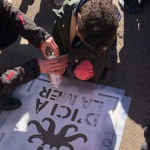
- Visual Communication Materials, including infographics and posters created by students for awareness campaigns, which will be printable in A4 and A3 formats.
- An Open Access Digital Repository where all outputs will be uploaded to the school website and the ProBleu platform, licensed under a Creative Commons license, and promoted through social media and local education networks.
- A Teacher Guide in English and Albanian explaining how other educators can replicate the documentary method in their own communities.
Impact
The project is expected to have a school-wide impact, reaching nearly 100% of the student population. Thirty students will be directly involved in implementation, while approximately 270 students will be indirectly involved by attending events like the documentary screening and engaging in related discussions. About 20 students from a nearby school will also be invited to the public screening. The project’s materials will be integrated into the school’s curriculum, specifically in Science, Geography, Language, Civic Education, ICT, Media, Art, and Visual Communication. The outputs will also be available for future classes, creating a long-lasting educational resource. By connecting classroom learning with real-life community challenges, the project bridges formal education with civic engagement.

























 Funded by the European Union