Rønde, Denmark
4th FUNDING CALL
Objectives
The “Heroes of the Sea” project at Feldballe Friskole is a four-month initiative designed to immerse 4th and 5th-grade students in marine environmental education, sustainability, and artistic expression. The project aims to transform students into active ocean ambassadors by combining classroom learning with fieldwork and citizen science activities. The project is integrated into the school’s interdisciplinary, project-based learning curriculum and aligns with the national learning objectives set by the Danish Ministry of Education.
The project has three main objectives.
- It seeks to engage students in hands-on fieldwork and citizen science activities such as water testing, eelgrass restoration, and plastic surveys, to deepen their understanding of marine biodiversity and human impact.
- The project aims to empower students to create and share creative outputs like models, exhibitions, and digital media to communicate their scientific findings and personal insights on ocean issues.
- The project intends to integrate ocean literacy into the school curriculum and establish lasting partnerships with regional organizations to ensure the project’s long-term impact.
Activities & Collaborations
The four-month project is divided into four phases:
1. Exploration & Questioning (Weeks 1-2):
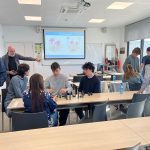
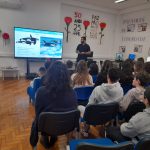
Students are introduced to ocean topics and, with the help of teachers and introductory materials from the Kattegat Centre, develop their own questions and themes for investigation.
2. Investigation & Citizen Science (Weeks 3-8):
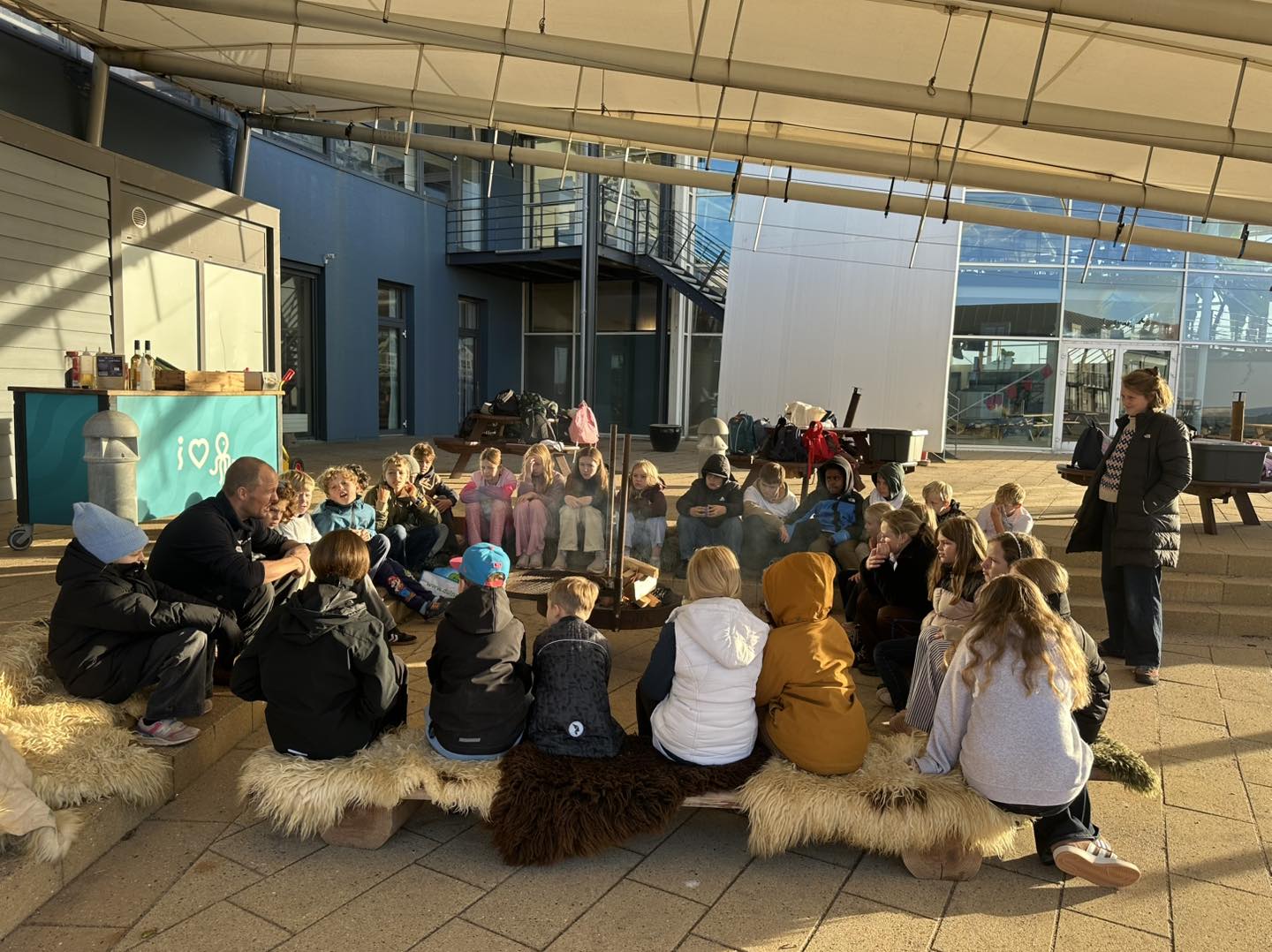
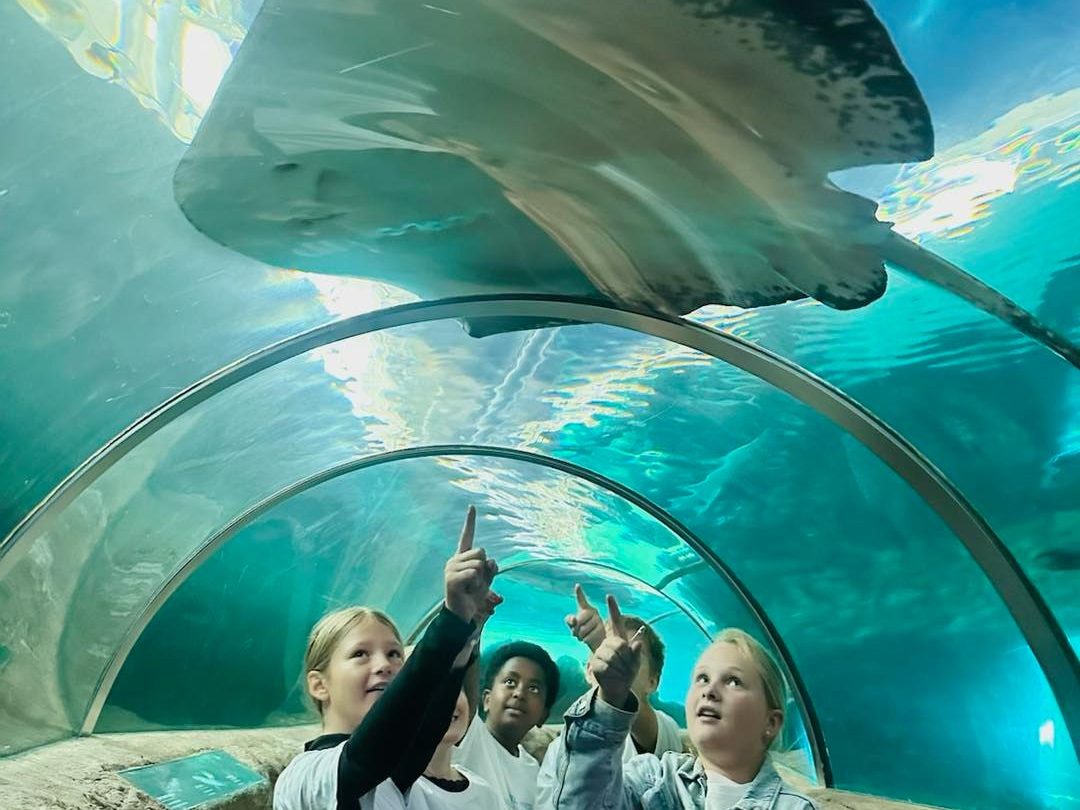
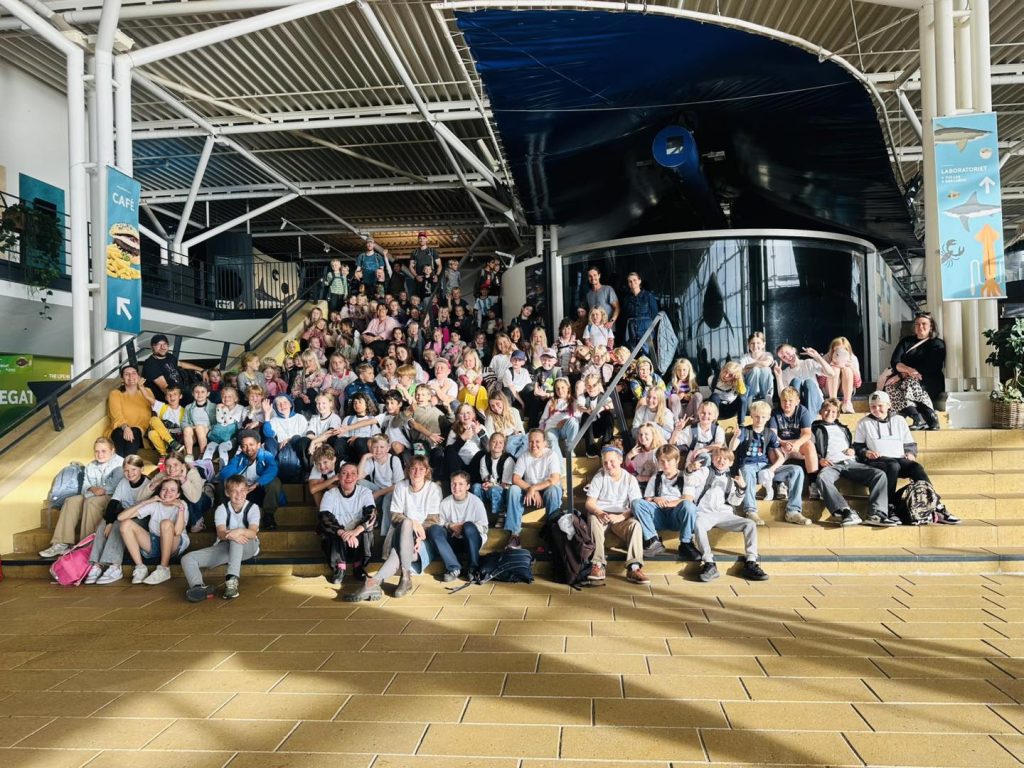
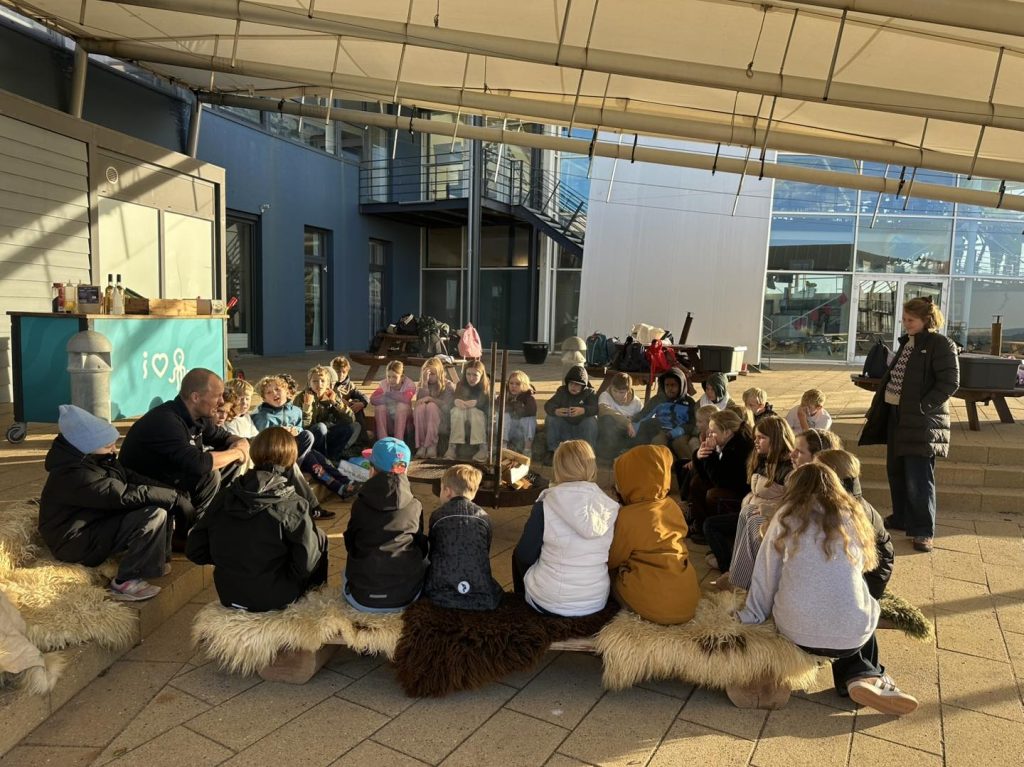
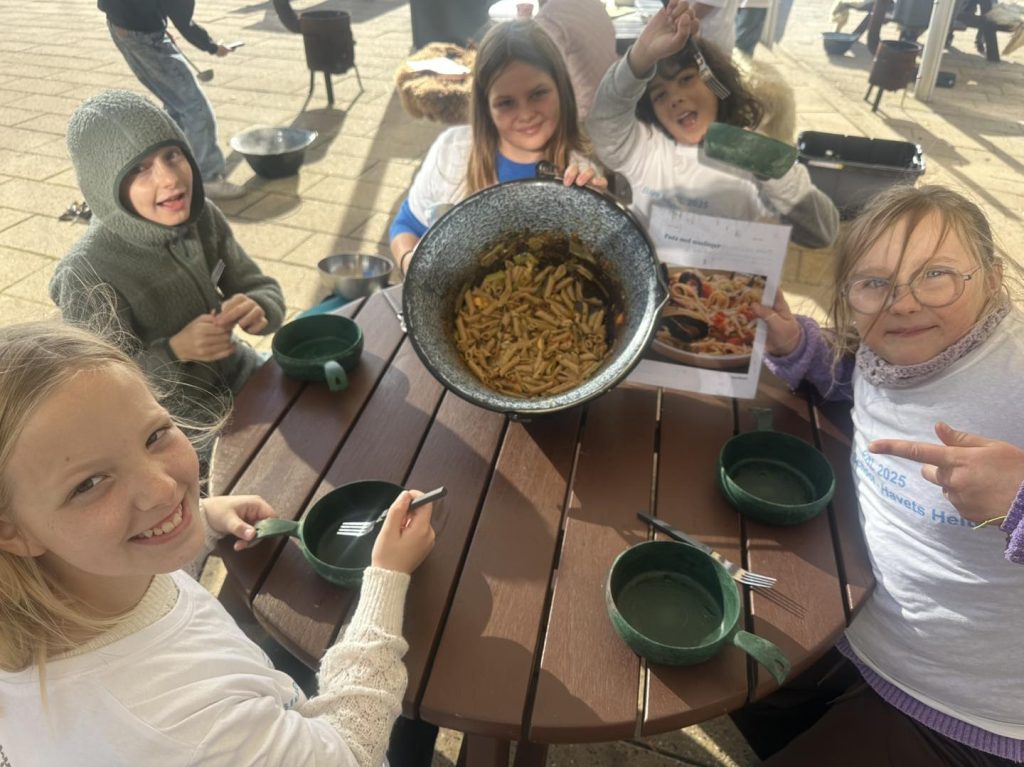
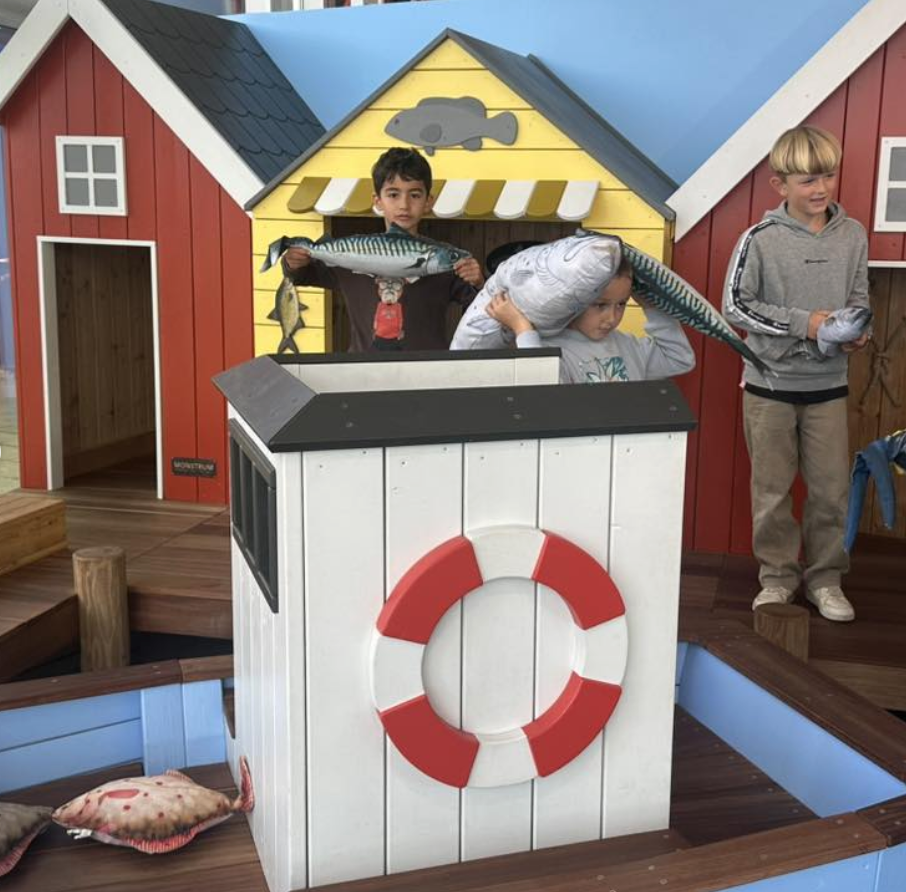
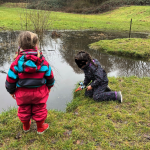
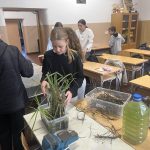
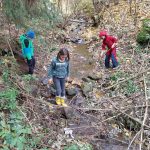
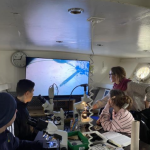
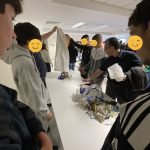
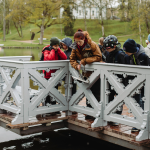
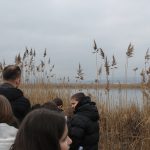
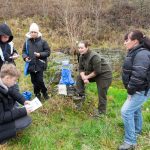
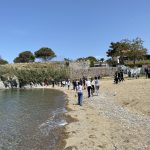
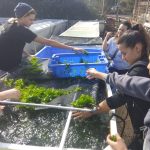
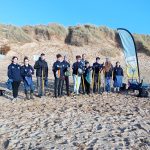
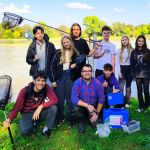
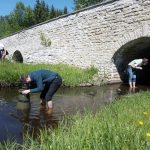
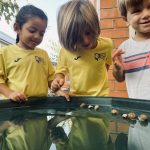
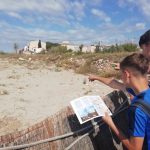
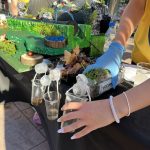
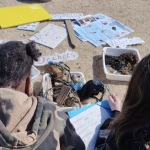
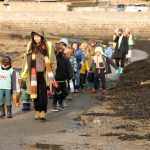
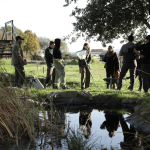
Students conduct fieldwork with partners like the Kattegat Centre, Nationalpark Mols Bjerge, and Havhaven Ebeltoft. Activities include water quality testing, plastic pollution analysis, eelgrass planting, and species observation. In this phase, students act as citizen scientists and ocean ambassadors, with support from teachers, marine biologists, and nature guides.
3. Creation & Expression (Weeks 9-12):
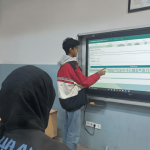
Students work with artist Chili Sloop to turn their knowledge into creative formats such as visual installations, podcasts, digital stories, and models. This phase helps students process their scientific findings and emotional responses to ocean issues.
4. Sharing & Reflection (Weeks 13-16):
With guidance from Dybaang Management, students prepare and host a public exhibition featuring their presentations, artwork, and digital media. Teachers also lead structured reflection sessions on the students’ learning outcomes and their role in climate action.
Throughout the project, collaborations with a wide range of partners, including
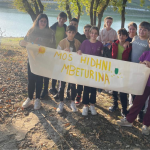
Grobund (a self-sustaining community) and Syddjurs Municipality, offer authentic learning experiences and support the project’s goals. These partnerships help students connect with climate, food systems, and community action, providing insight into topics such as ocean and water governance. The school also involves families and other students in community events like “Ocean Day” to foster local dialogue and strengthen the school’s public role.
Expected Outputs & Impact
The project will produce a variety of tangible and reusable outputs that can be shared with other schools. These include:
- Citizen Science Materials: Students will create observation logs, field journals, and data sheets from their fieldwork. These will be supplemented with simple protocols co-developed with the Kattegat Centre and Nationalpark Mols Bjerge, making the activities reproducible in other environments.
- Creative Outputs: The students will generate short videos, digital stories, podcasts, poetry, and visual installations that communicate scientific findings and emotional responses. These materials are suitable for digital publication and public outreach.
- Teaching Resources: Teachers will develop project-based learning modules with lesson plans, learning objectives, and assessment tools.
- Documentation and Public Exhibition Materials: The project will be documented through photographs, texts, and videos. Exhibition materials, like student quotes and info panels, will be designed to be adaptable for use in various venues.
All of these outputs will be compiled and made available to the ProBleu team in publishable formats, to be included in the ProBleu catalogue of teaching aids for other schools.
The expected impact is a significant enhancement in students’ scientific understanding, creative expression, and sense of agency regarding environmental issues. By connecting science, art, and civic understanding, the project creates a sustainable model for embedding ocean literacy in everyday teaching and long-term curriculum development.
























 Funded by the European Union