Barcelona, Spain
4th FUNDING CALL
Objectives
The MARE NOSTRUM project at Escola Virolai is a comprehensive three-month initiative that gives students direct experience in marine science and technology. The project’s central goal is to enhance STEM education and environmental awareness by having students actively monitor the ecological health of the Mediterranean Sea near Barcelona. Instead of learning about marine ecosystems from a textbook, students get to build and operate the tools used for real-world scientific investigation.
The project has several key objectives.
- Enhance STEM education by providing students with hands-on experience in robotics, programming, data analysis, and scientific reporting. This practical approach aims to build advanced skills in science, technology, engineering, and math.
- Promote environmental awareness by engaging students with the specific issues affecting the Mediterranean Sea, such as water quality and pollution.
- Foster ocean literacy, helping students understand the ocean’s role in the global ecosystem and the importance of conservation.
- Ensure the project’s longevity and broader usefulness
- Develop open educational resources and share them with other schools and educators.
- Strengthen community partnerships by collaborating with local scientific institutions and environmental organizations, such as the Institut de Ciències del Mar (ICM-CSIC) and local NGOs. These partnerships enrich the student experience and foster a shared sense of responsibility for the marine environment.
Activities and Collaborations
The project is structured into three phases over three months. The first month focuses on Planning and Research. Students will explore the Mediterranean ecosystem, define specific environmental indicators for assessment, and collaborate with scientists from ICM-CSIC to ensure the project’s scientific validity. This collaboration with experts provides students with guidance on data collection and analysis.
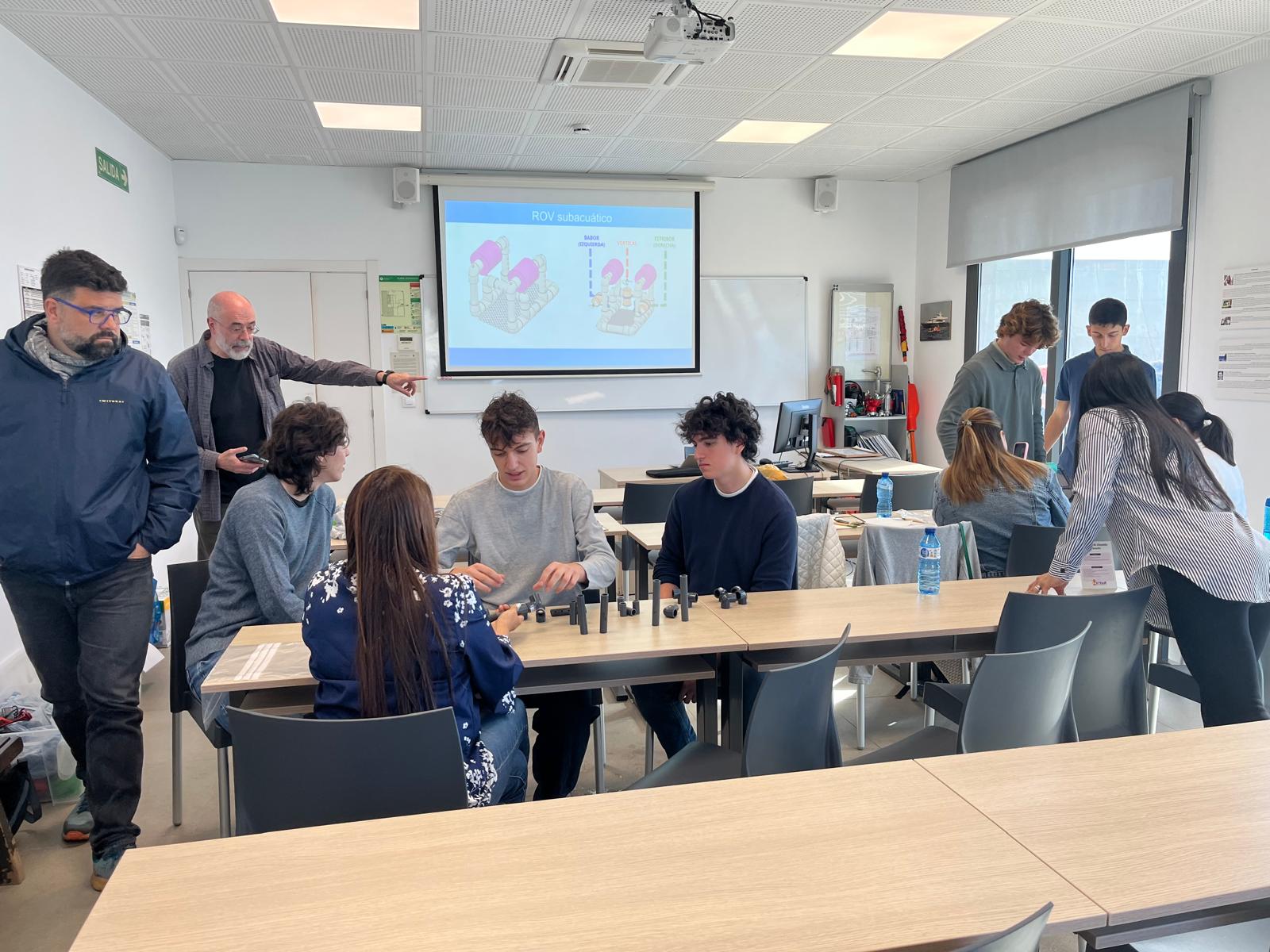
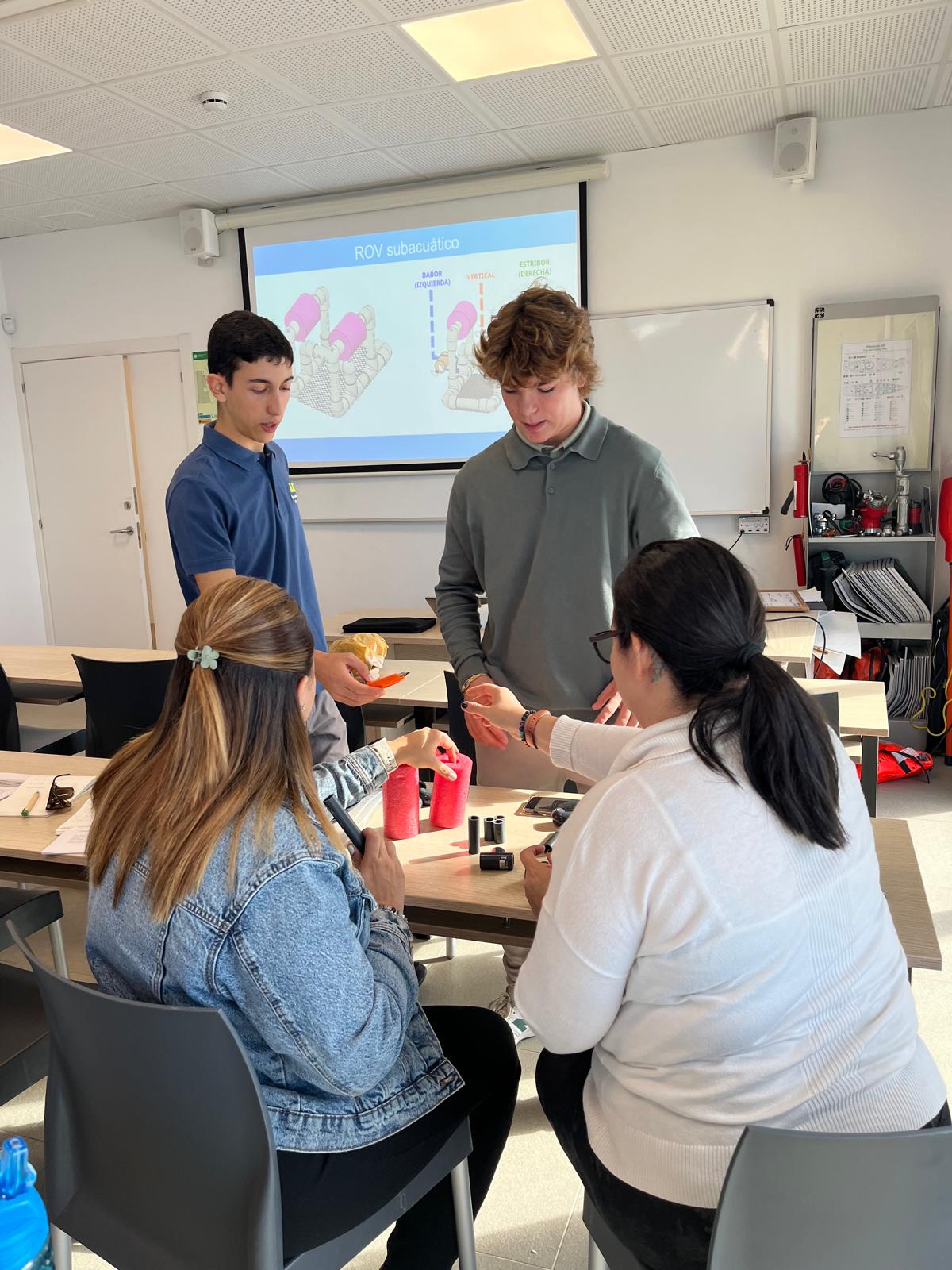
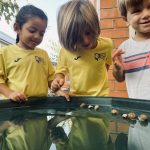
The second month is dedicated to Construction and Testing. Students will work in teams to design and build six Remotely Operated Vehicles (ROVs) equipped with sensors and cameras to collect data. They will participate in workshops on electronics and waterproofing and then test and calibrate their ROVs in a controlled environment and in a pool before fieldwork begins.
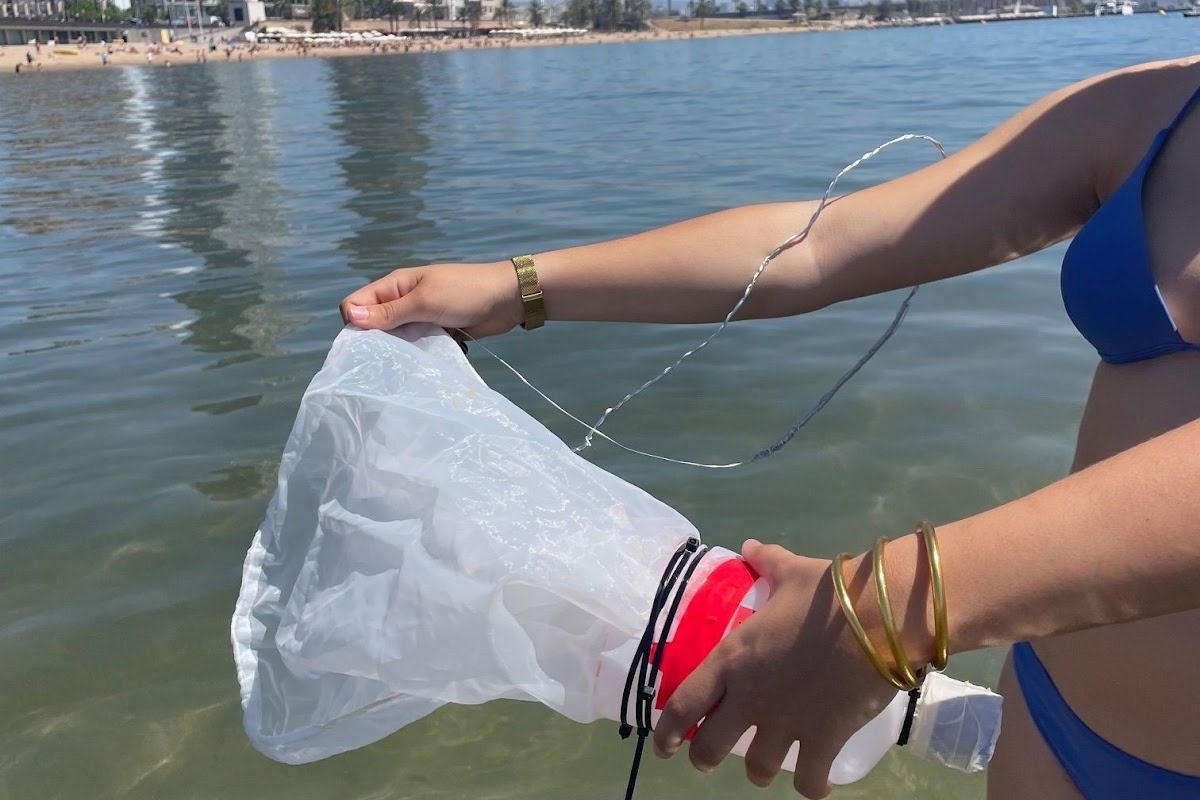
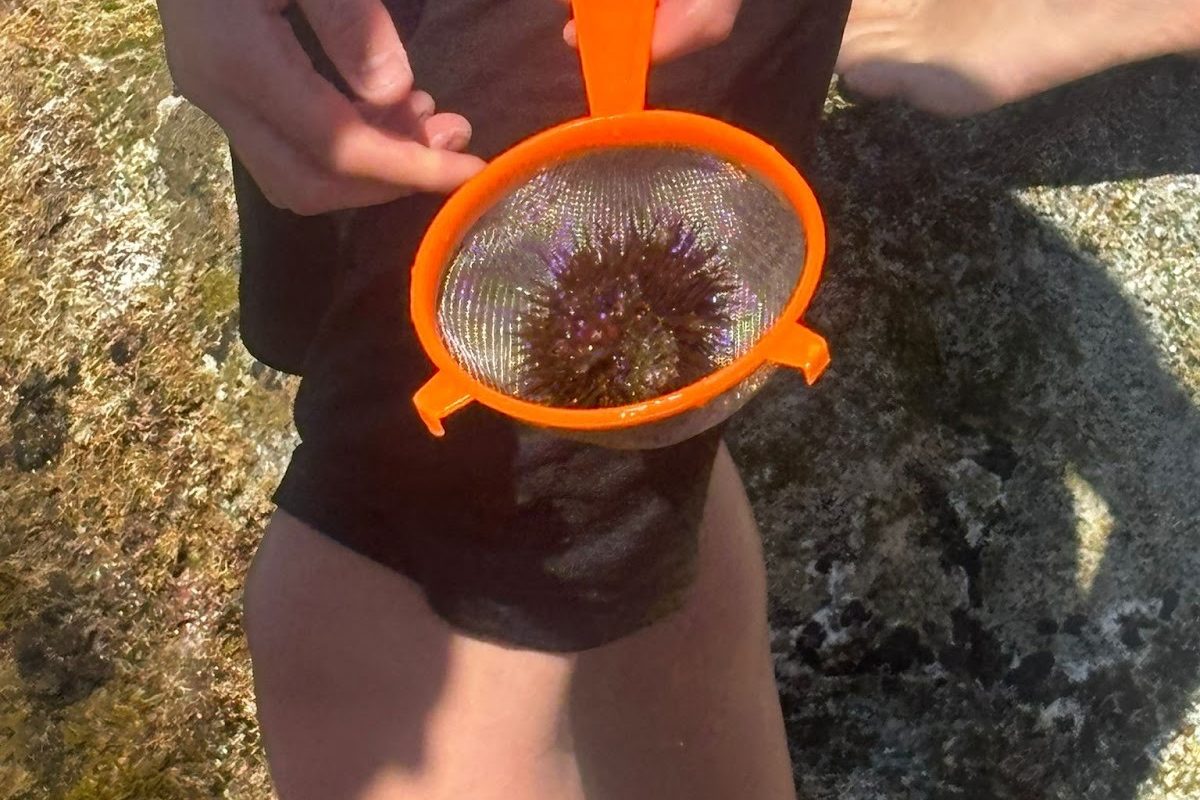
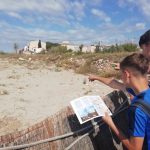
The third month involves Data Collection and Reporting. Students will deploy their ROVs along Barcelona’s coastline to collect water samples, video footage, and other data. During this phase, they will collaborate with local NGOs like Submon and the Posidonia Green Project. After the fieldwork, students will analyze their data and compile a comprehensive scientific report. This report, which will include actionable recommendations for improving marine health, will be presented to the school community and the Municipality of Barcelona.
Expected Outputs and Impact
The project will generate several tangible outputs.
- Students will produce scientific reports that summarize their findings and recommendations.
- A video documentary will showcase the project’s entire process, from ROV construction to fieldwork, serving as an educational resource. To enable other schools to replicate the project.
- Students will create ROV construction manuals and make the software code open-source.
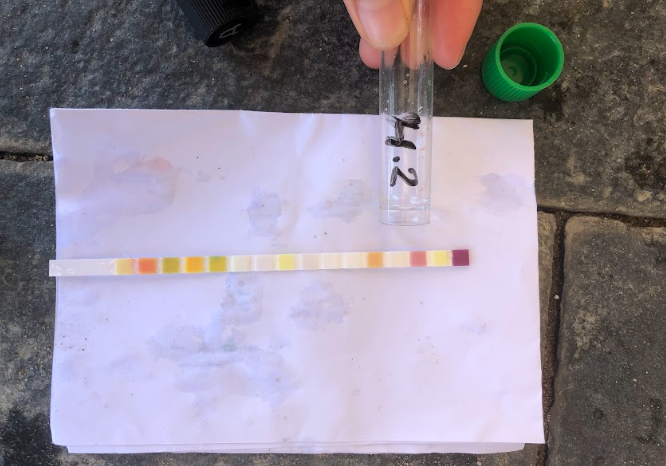
- Students will develop water quality testing protocols and worksheets. All these resources will be shared on platforms like the ProBleu platform, Scientix portal, and the school’s website to ensure wide accessibility and long-term sustainability.
The project’s impact extends beyond the participating students. It will be integrated into the school’s curriculum, specifically in subjects like physics, chemistry, biology, and technology for 4th ESO students. It will also serve as a basis for cross-curricular projects and future school-wide sustainability initiatives, fostering a culture of environmental awareness across the entire school. The project involves a total of 98 directly involved students and 225 indirectly involved students from the school, and includes direct involvement from 20 students from two partner schools, and indirect involvement from 40 students from partner schools at events. This broad involvement ensures a significant and lasting impact on the school community and beyond.

























 Funded by the European Union