
The Basento’s Guardians
Matera, Italy
3rd FUNDING CALL
Freshwater ecosystems are vital for biodiversity, climate regulation, and human well-being. However, many riverine areas face growing threats from pollution and desertification. A new school project in the Basilicata region is taking an innovative approach to water literacy by involving students in the hands-on study and conservation of the Basento River. Through scientific research, environmental restoration, and community engagement, the project will inspire young people to become stewards of their natural environment.
Objectives
The project is designed to deepen students’ understanding of the ecological importance of wetlands and empower them to take action in preserving their local water ecosystem. Specifically, the project aims to:
- Provide scientific tools to assess environmental conditions.
- Increase awareness of how individual actions impact ecosystems.
- Train young citizens in sustainable land and water management.
- Strengthen students’ connection to their local environment, particularly in an area at risk of desertification.
By adopting and studying a section of the Basento River, students will engage in scientific data collection, biodiversity assessments, and hands-on conservation activities, ensuring a meaningful and lasting impact.
Activities and Collaborations
The project is structured into five phases, each building on the previous one to develop students’ scientific skills and environmental awareness.
Phase 1: Mapping and Site Selection (April 2025)
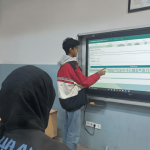
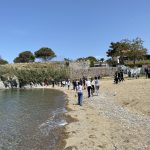
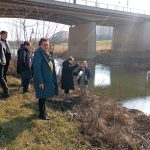
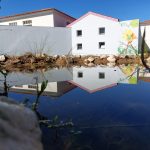
Students will choose a section of the Basento River for long-term monitoring, analyzing its location, accessibility, and potential for ecological restoration. Using digital tools like Google Earth Engine, they will study the area’s topography and hydrogeological risks.
Phase 2: Field Research and Water Sampling (May 2025)
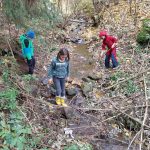
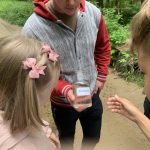
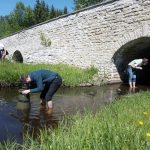
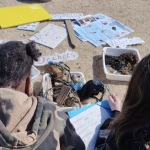
Students will conduct weekly field visits to collect and analyze water samples, measuring factors such as pH, oxygen levels, heavy metal content, and nutrient levels. They will also conduct microbiological testing for bacteria like Escherichia coli and intestinal enterococci. Biodiversity assessments will identify key plant and animal species in the ecosystem, using interactive tools like PhET simulation software to enhance learning.
Phase 3: Laboratory Analysis and Replanting Plans (June 2025)
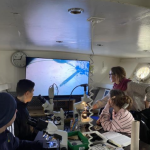
Back in the laboratory, students will analyze their collected data and determine which plant species can be reintroduced to improve biodiversity and water filtration. This phase will include collaboration with the Istituto Agrario Pantanelli of Garaguso Scalo, where students will explore hydroponic farming as a sustainable water conservation method.
Phase 4: Replanting for Ecosystem Restoration (July 2025)
Over two weeks in July, students will create bioplastic plant containers and use them to transplant native vegetation along the riverbanks. This hands-on conservation effort will help restore the area’s ecological balance and combat soil degradation.
Phase 5: Public Exhibition and Knowledge Sharing (Sept-Oct 2025)
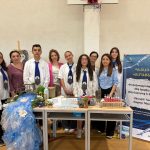
The final phase will focus on outreach and education. Students will present their research findings in an exhibition at the Basilicata region’s basin community offices, where they will also conduct workshops on water conservation and biodiversity. This phase will involve 500 students and engage the wider community, fostering a culture of environmental responsibility.
Outputs and Impact
This project will generate valuable scientific data, educational materials, and community-driven conservation efforts. Key outcomes include:
- Scientific research and data collection on water quality and biodiversity, accessible to researchers and educators.
- Active environmental restoration through the replanting of native species in the adopted river area.
- Educational materials and digital resources to be published by ProBleu, allowing other schools to replicate the project.
- Community engagement through exhibitions and workshops, where students will share their findings with peers and the public.
By combining scientific research with hands-on environmental action, this initiative not only enhances students’ knowledge but also empowers them to make a tangible difference in their local ecosystem. The project serves as a model for schools looking to integrate experiential learning into environmental education and inspire the next generation of conservationists.































 Funded by the European Union