
Đakovo, Croatia
4th FUNDING CALL
Objectives
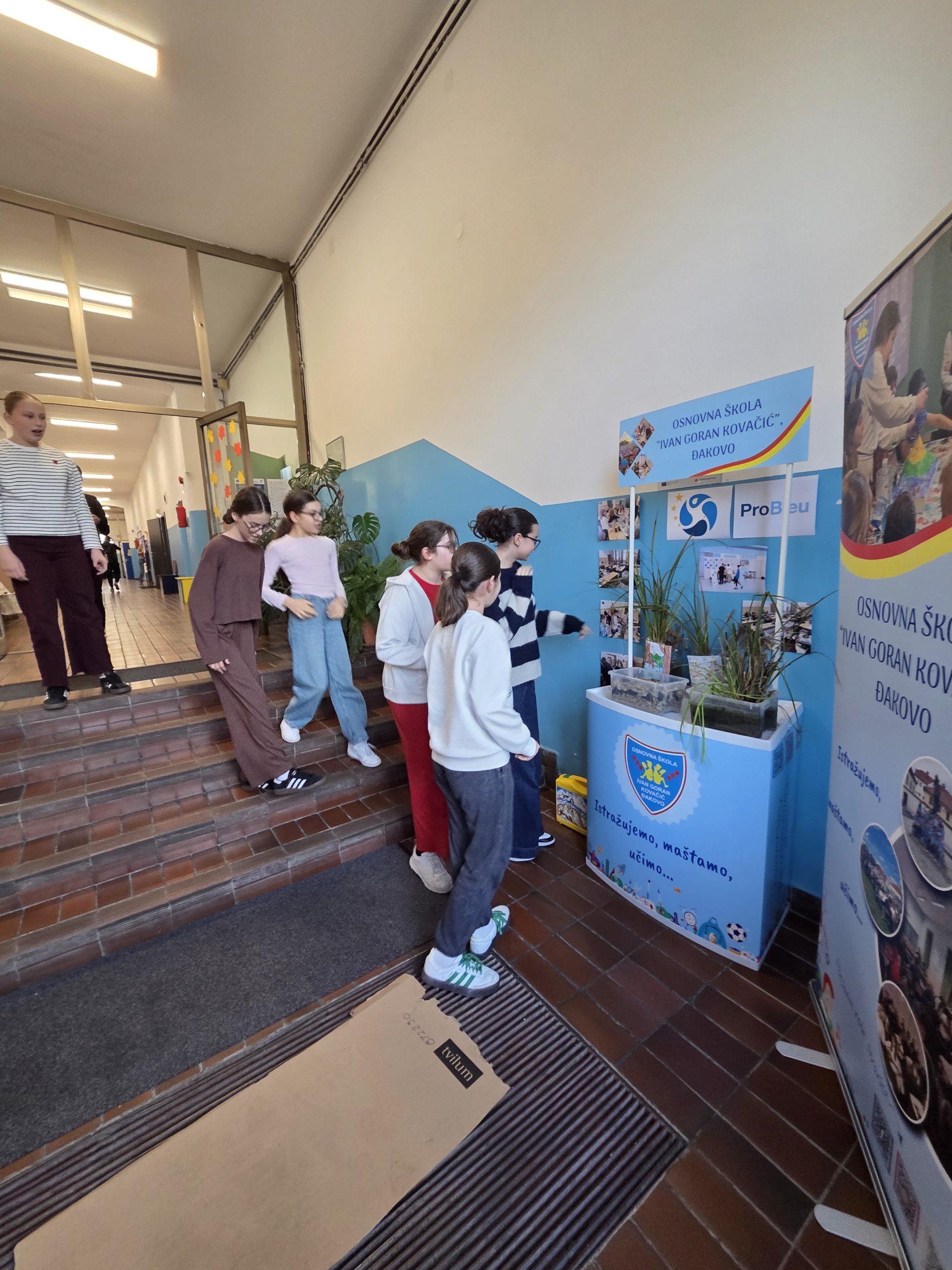
The Primary School “Ivan Goran Kovačić” in Đakovo is embarking on an innovative environmental education initiative: Wetland Ecosystems for Treatment and Landscape Active Balance. Running for six months, this project immerses students in hands-on exploration of wetlands as natural water filters, connecting classroom science to real-world environmental challenges.
WETLAB is designed to help students understand how wetlands purify water and support biodiversity. The key goals are:
- Demonstrate how wetlands act as natural filters to improve water quality.
- Engage students in designing, building, and testing functional wetland models.
- Introduce nature-based solutions and ecosystem services as practical tools for water protection.
- Connect learning with real-world restoration through the EU Horizon DaWetRest project.
- Inspire creativity through a student competition for the most effective and innovative wetland model.
- Strengthen scientific skills such as observation, data analysis, and teamwork, while fostering environmental responsibility.
Activities & Collaborations
The project is structured into five interconnected phases:
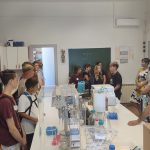
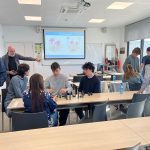
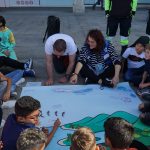
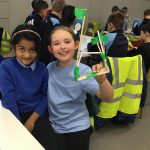
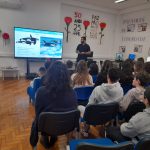
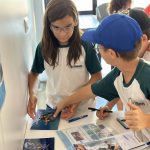
- Launch & Team Formation – Students form small teams, learn about wetlands, and receive project guidelines during a kickoff workshop.
- Research & Model Design – Teams study wetland principles, sketch model plans, and prepare materials lists.
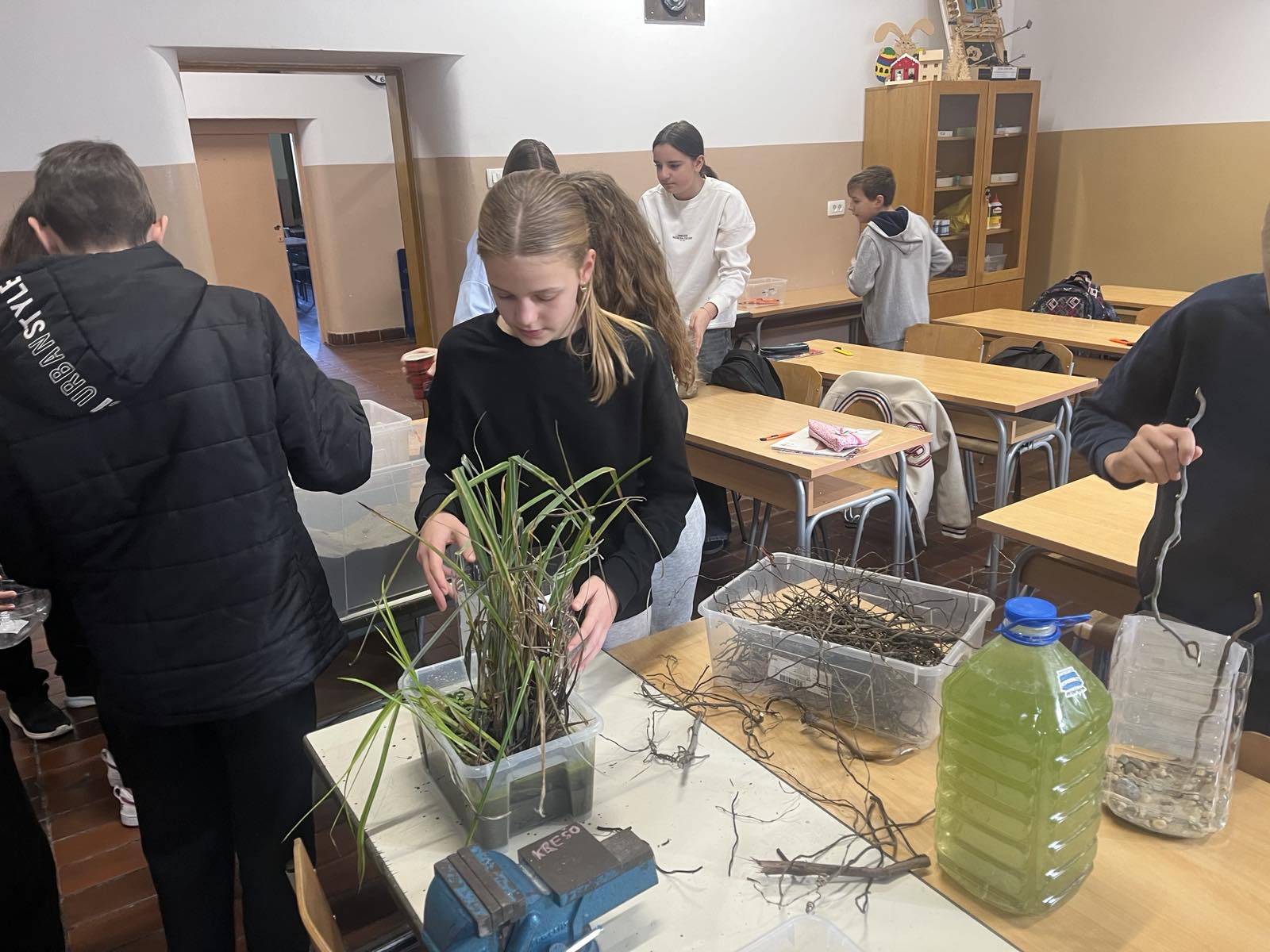
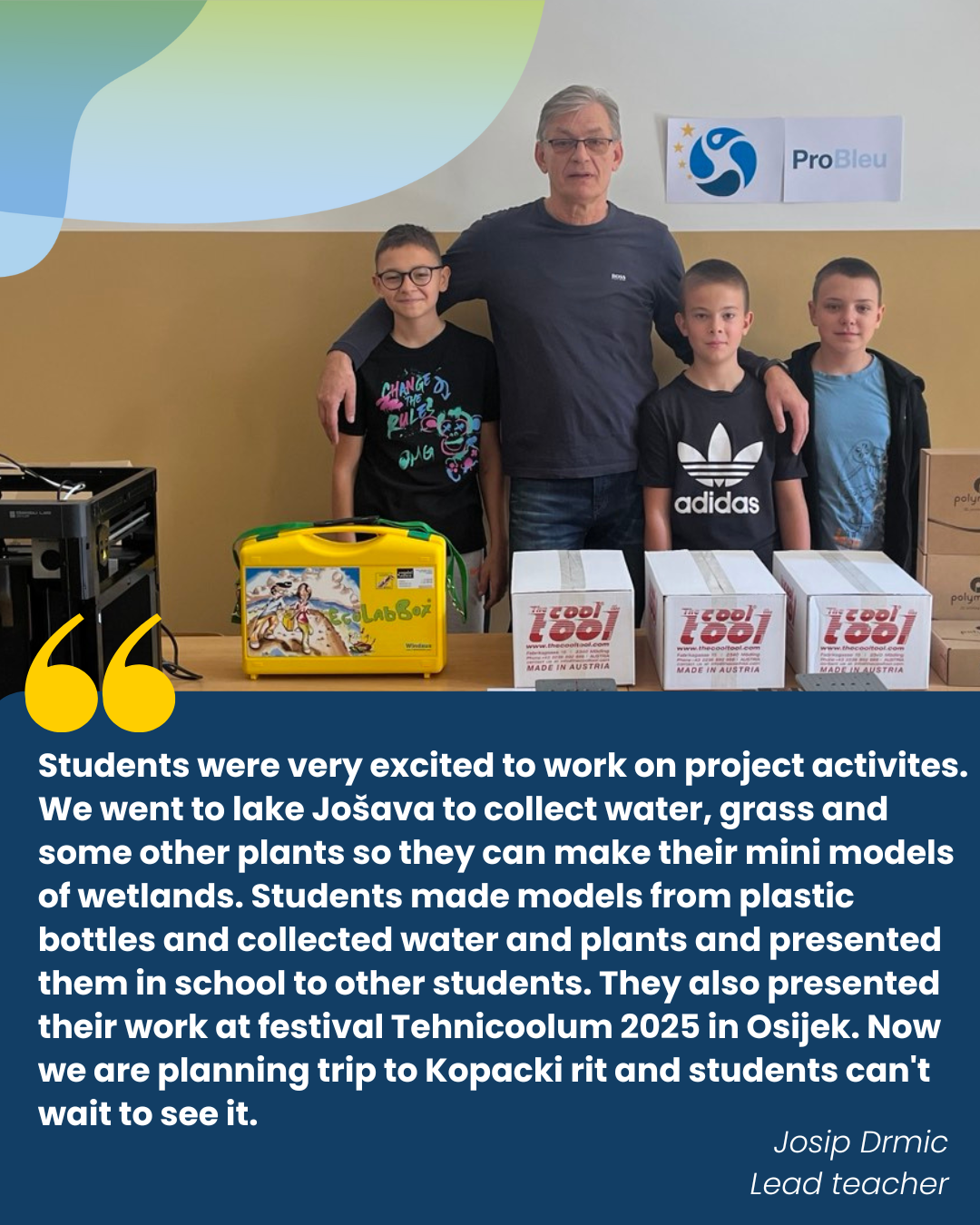
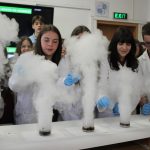
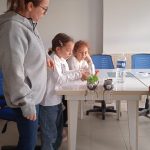
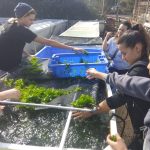
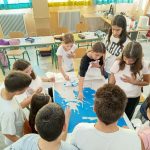
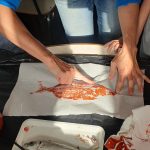
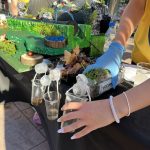
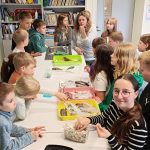
- Construction & Experimentation – Using natural and recycled materials, students build small-scale wetland systems. They simulate polluted water flow and test filtration efficiency, recording data on clarity, sediment retention, and pollutant reduction.
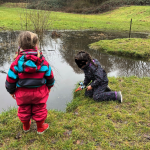
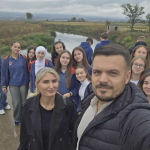
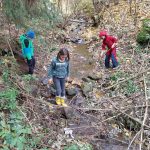
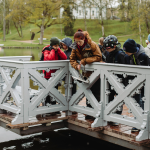
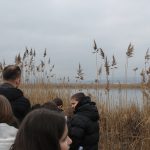
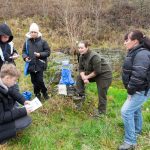
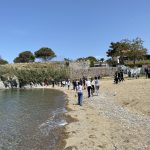
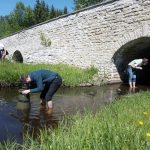
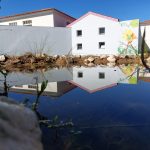
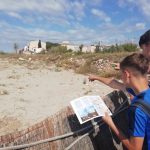
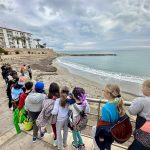
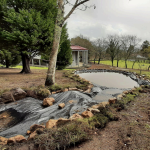
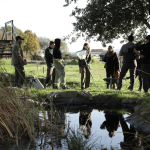
- Real-World Learning – Students visit the DaWetRest demonstration site at Kopački Rit, observing a functioning wetland restoration project and comparing it to their models.
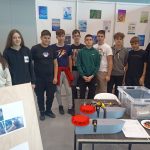
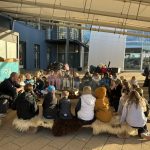
- Competition & Exhibition – A final event showcases the student models, experimental results, and creative presentations, with prizes for design, scientific approach, and environmental awareness.
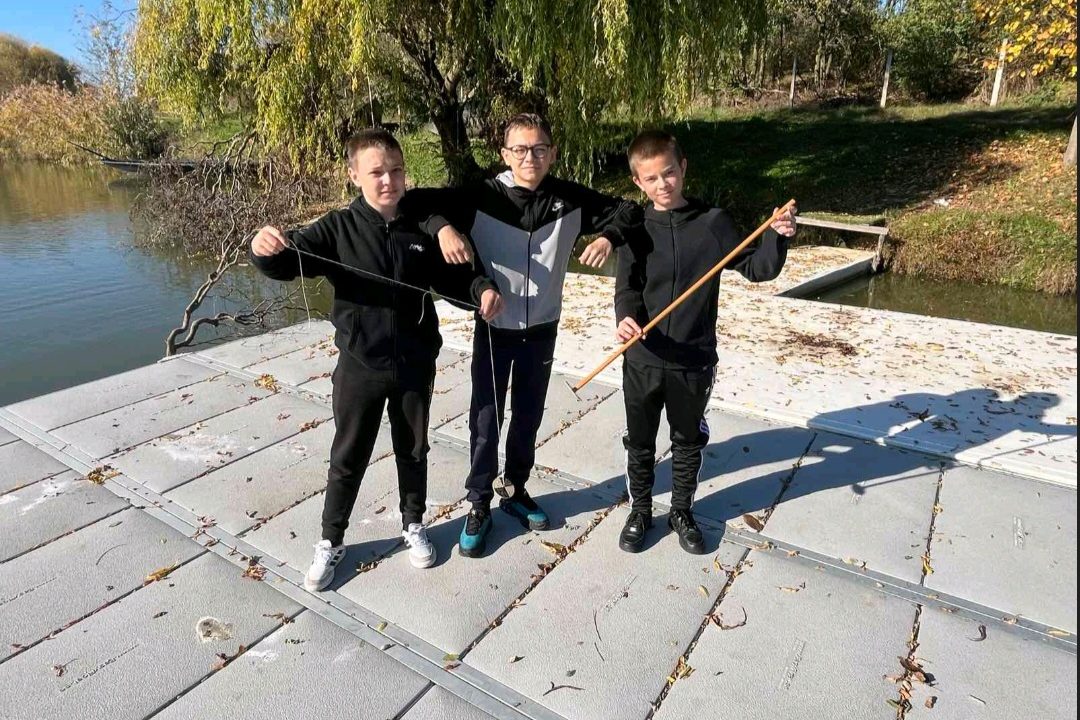
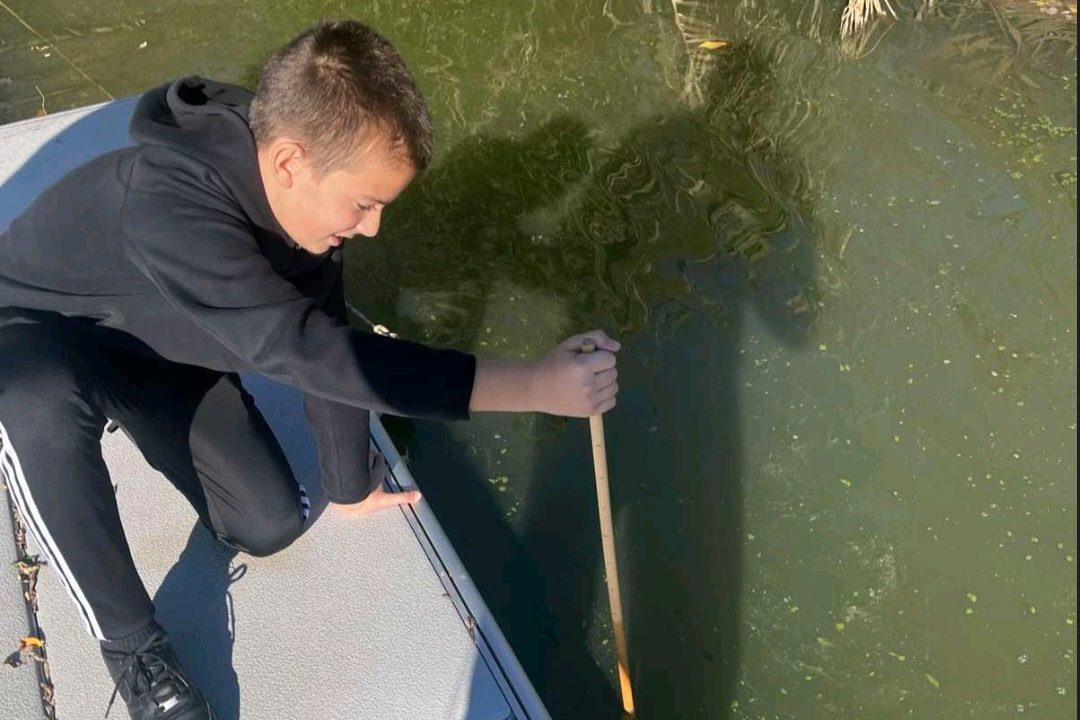
Collaboration plays a central role. The school partners with the University of Zagreb – Faculty of Mechanical Engineering and Naval Architecture, which provides expert guidance and integrates WETLAB into its DaWetRest outreach efforts. Other schools—Primary School Franje Krežme Osijek and Primary School Miroslava Krleže Čepin—will join the site visit and presentations. Local NGOs, community members, and public officials will be involved through workshops, exhibitions, and the County Technology Fair.
Expected Outputs & Impact
WETLAB will produce a suite of educational resources, including:
- Lesson plans and activity guides for building and testing wetland models.
- A step-by-step Wetland Model Building Manual, adaptable for different age groups.
- Open-access data sheets summarizing student experiments.
- Student presentations, posters, and a video documenting the process and results.
These materials will be available in both Croatian and English, ensuring accessibility for other schools and educators. Physical models will also be loaned to nearby schools for study.
The expected impact extends beyond the participating 53 students, reaching the entire school population of 428 through exhibitions, interactive displays, and cross-curricular integration. Students will gain practical STEM skills, a deeper understanding of water ecosystems, and experience in citizen science. The wider community will benefit from awareness-raising activities, resource sharing, and youth-led advocacy for sustainable water management.
By blending scientific investigation, creativity, and community engagement, WETLAB turns the school into an active hub for environmental learning. It equips young people with the knowledge and confidence to address local and global water challenges—one small wetland model at a time.






























 Funded by the European Union