
Vushtrri, Kosovo
4th FUNDING CALL
Objectives
The four-month project is designed to get students involved in real-world environmental issues, specifically focusing on the pollution of the Sitnica River in Vushtrri, Kosovo. The project is led by the school’s Green Club and aims to build local capacity for advocacy and promote sustainable water protection.
The project has several specific objectives:
- Increase knowledge and awareness: The project will involve students in hands-on monitoring of the Sitnica River and nearby water sources to increase their knowledge and awareness of local water quality issues.
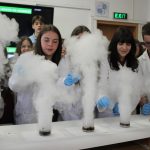
- Develop scientific skills and critical thinking: Students will develop scientific skills through structured fieldwork and lab-based analysis of water samples, including the identification of macrozoobenthos as biological indicators.
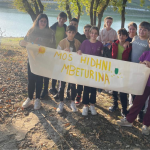
- Promote environmental responsibility and civic engagement: The project will encourage students to communicate their findings and advocate for clean water through social media campaigns, a student-led publication, and a local stakeholder conference.
- Connect schools with local institutions and experts: A public event will be organized to bring together students, educators, municipal authorities, and environmental professionals to discuss water pollution and solutions at a local level.
Activities & Collaborations
The project is structured in four main phases over four months:
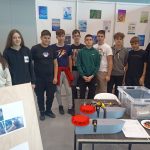
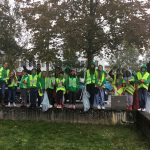
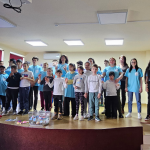
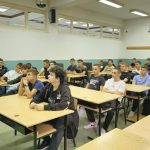
- Phase 1: Preparation and Planning (Weeks 1–2): A project team will be established from NGO Biodiversiteti, Green Club coordinators, and school staff. 50 students from the Green Club will be selected to participate. The team will also coordinate with the Municipality, the Directorate of Education (DKA), and the Directorate of Public Health (DSH).
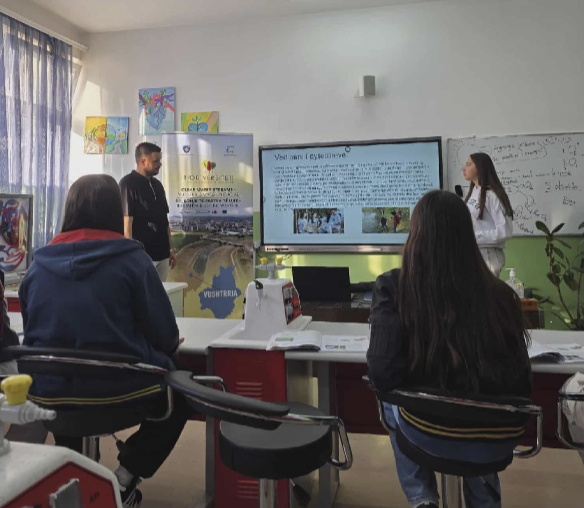
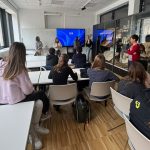
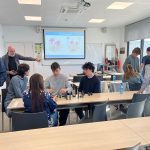
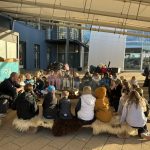
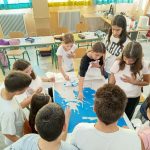
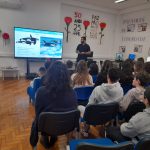
- Phase 2: Capacity Building and Training (Weeks 3–4): Students will receive training workshops on water quality monitoring techniques, including physical, chemical, and biological indicators.
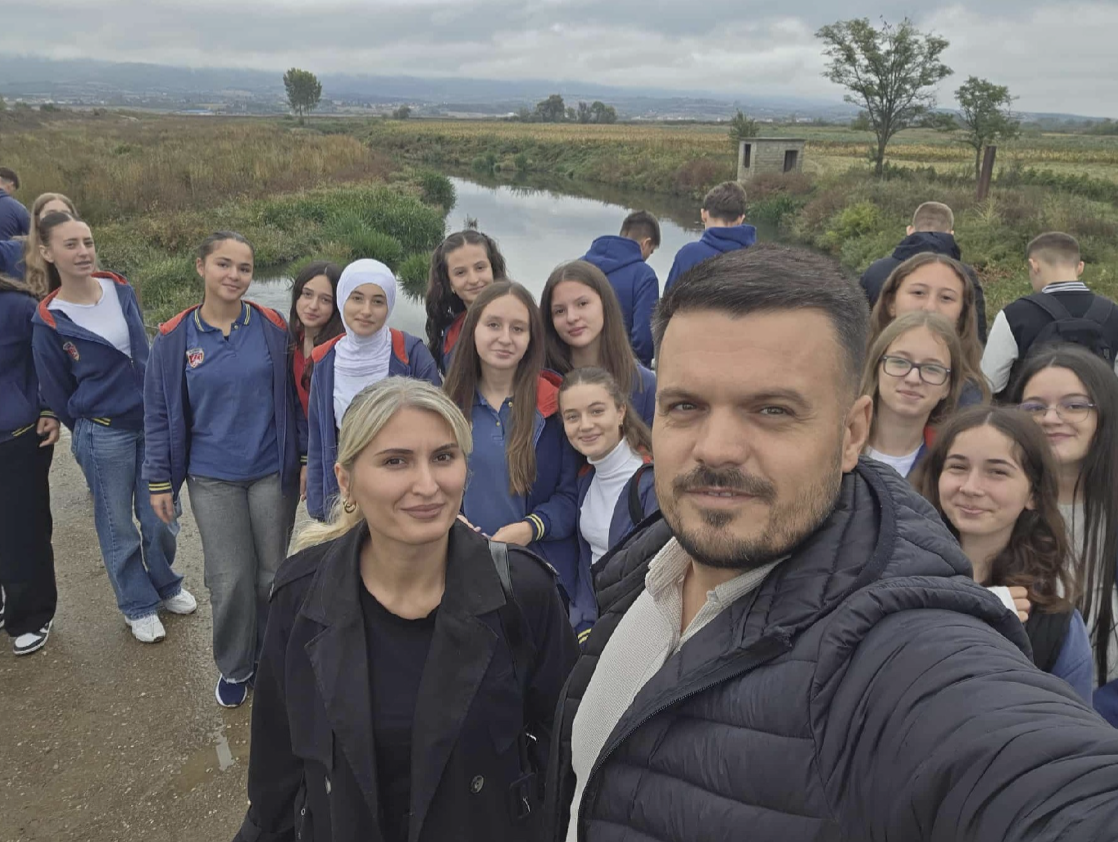
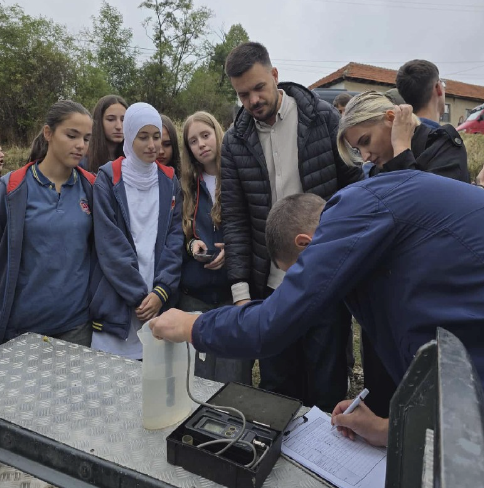
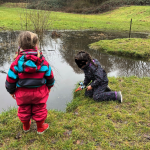
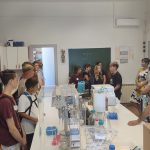
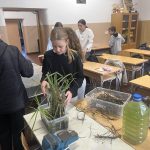
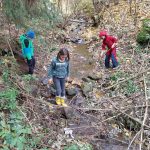
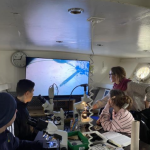
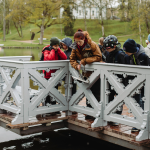
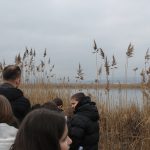
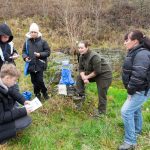
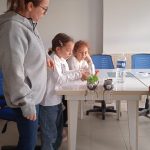
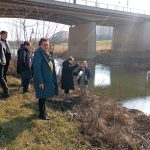
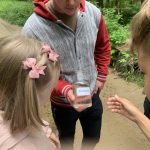
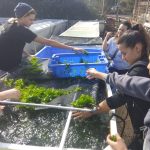
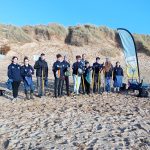
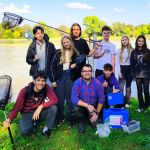
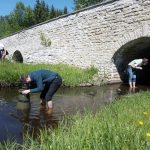
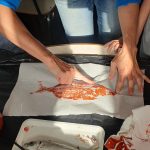
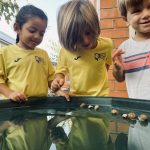
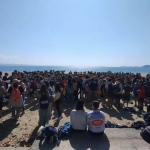
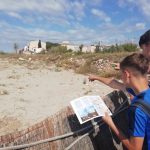
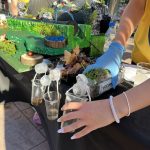
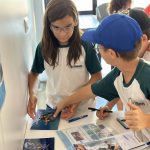
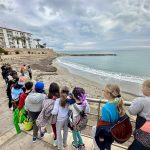
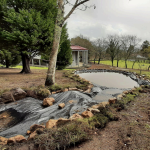
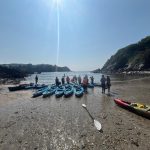
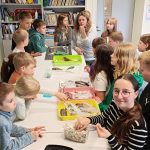
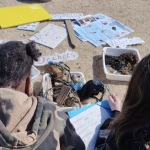
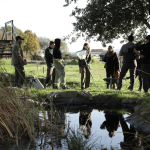
- Phase 3: Fieldwork and Data Collection (Weeks 5–10): Three field expeditions will be organized along the Sitnica River and other water sources. Students will collect water samples and analyze them in the school’s biology lab under supervision.
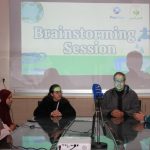
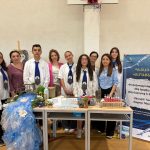
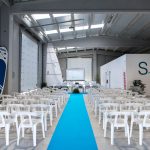
- Phase 4: Results Dissemination and Community Engagement (Weeks 11–16): The project will produce a student-led publication of the results and launch an awareness campaign on social media. A final public conference will be held at the school with municipal officials, DKA, DSH, and local environmental experts.
The project involves several key collaborations to ensure a wider impact.
- NGO Biodiversiteti: This NGO leads the project and provides technical expertise in environmental education and water quality.
- Local Authorities: The Municipality of Vushtrri, the Directorate of Education, and the Directorate of Public Health will be invited to the final event to offer feedback on student findings.
- School Staff: Teachers from the Biology and Chemistry departments will support training, supervise lab work, and assist with data interpretation.
- Families: Parents will be engaged through updates and invited to the final conference to reinforce environmental values at home.
Expected Outputs & Impact
The project will generate several tangible outputs that are designed to be reusable and educational:
Workshop Presentation Materials: A reusable resource kit containing slides, handouts, and workshop outlines for educators interested in replicating the project.
Student-led Water Quality Report: A digital publication summarizing the results of field measurements and lab analyses. This report will include maps of plastic litter hotspots and data on chemical and biological indicators, making it suitable for educational use.
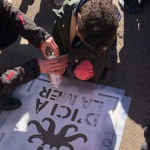
Awareness Posters and Infographics: Visual materials designed by students that illustrate key findings on plastic waste, pesticide runoff, and micro-pollutants.
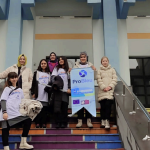
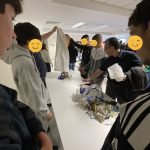
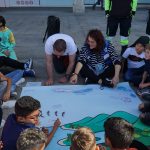
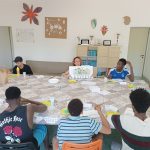
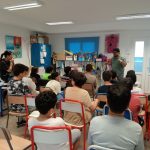
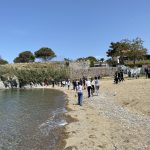
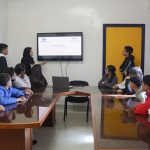
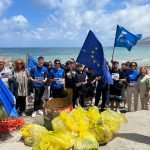
Photo and Video Documentation: High-quality images and video clips from the field expeditions and lab work will be edited into a visual story of the project.





























 Funded by the European Union