
Koper, Slovenia
4th FUNDING CALL
Objectives
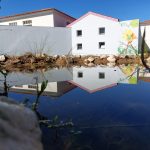
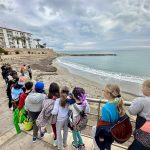
The students at Ginnasio Gian Rinaldo Carli are taking a hands-on approach to environmental education with Project SUoNO (Sensibilizing about Underwater effects of NOise pollution). This seven-month project aims to engage high school students as citizen scientists to study and raise awareness about underwater noise pollution in the Bay of Koper, Slovenia. The ultimate objective is to spark curiosity about marine life and inspire children to become advocates for its preservation.
The core goal of Project SUoNO is to raise awareness about underwater noise pollution among students in Slovenia’s coastal area. The project has several specific objectives:
- Stimulating interest in local citizen science activities.
- Giving students a leading role as instructors and first-hand researchers.
- Fostering critical thinking about the impact of “unseen” pollution like noise on the environment.
- Encouraging students to use their creative and social media skills to promote a more sustainable use of the sea.
Activities & Collaborations
The project is divided into two main activities.
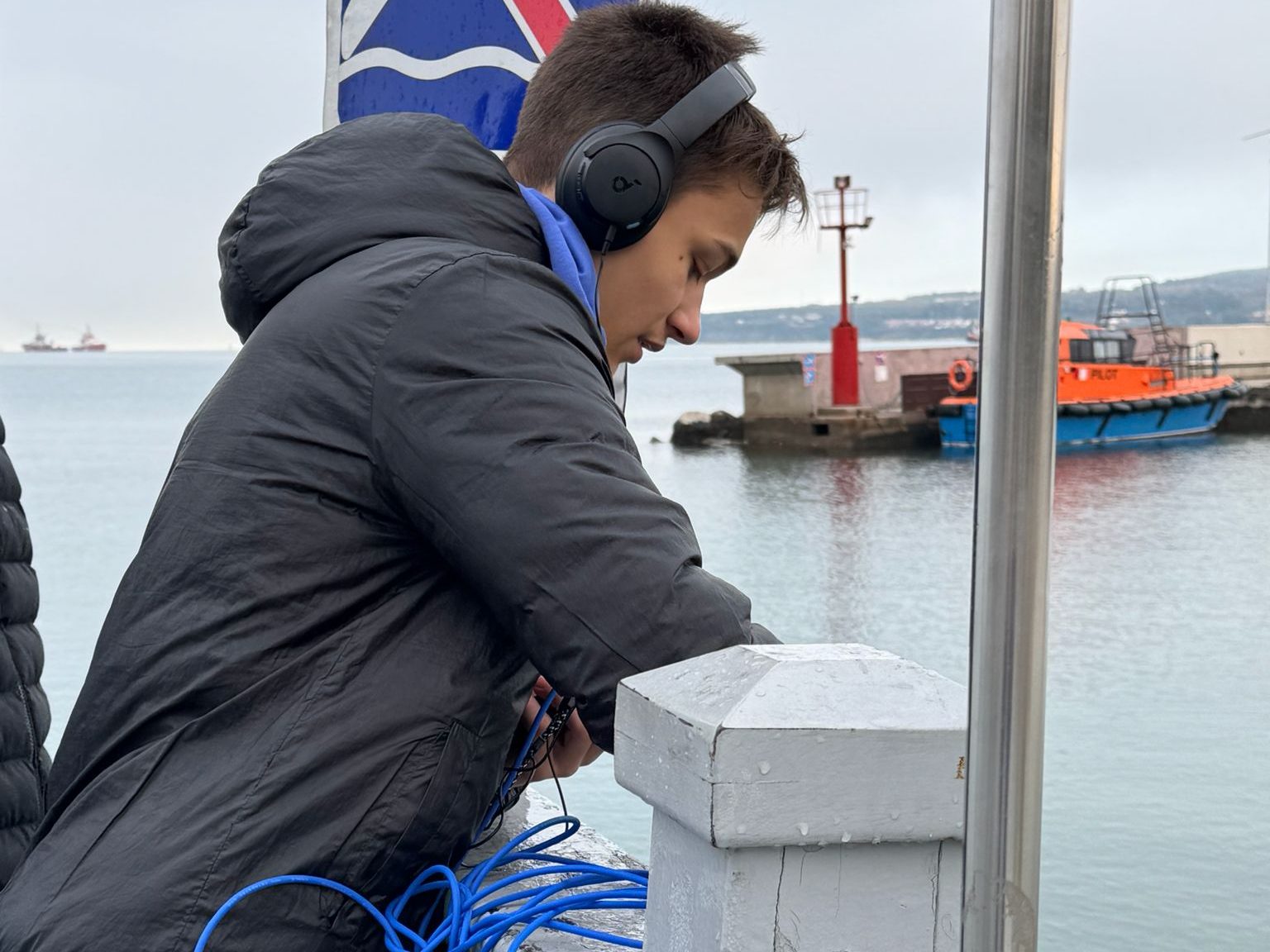
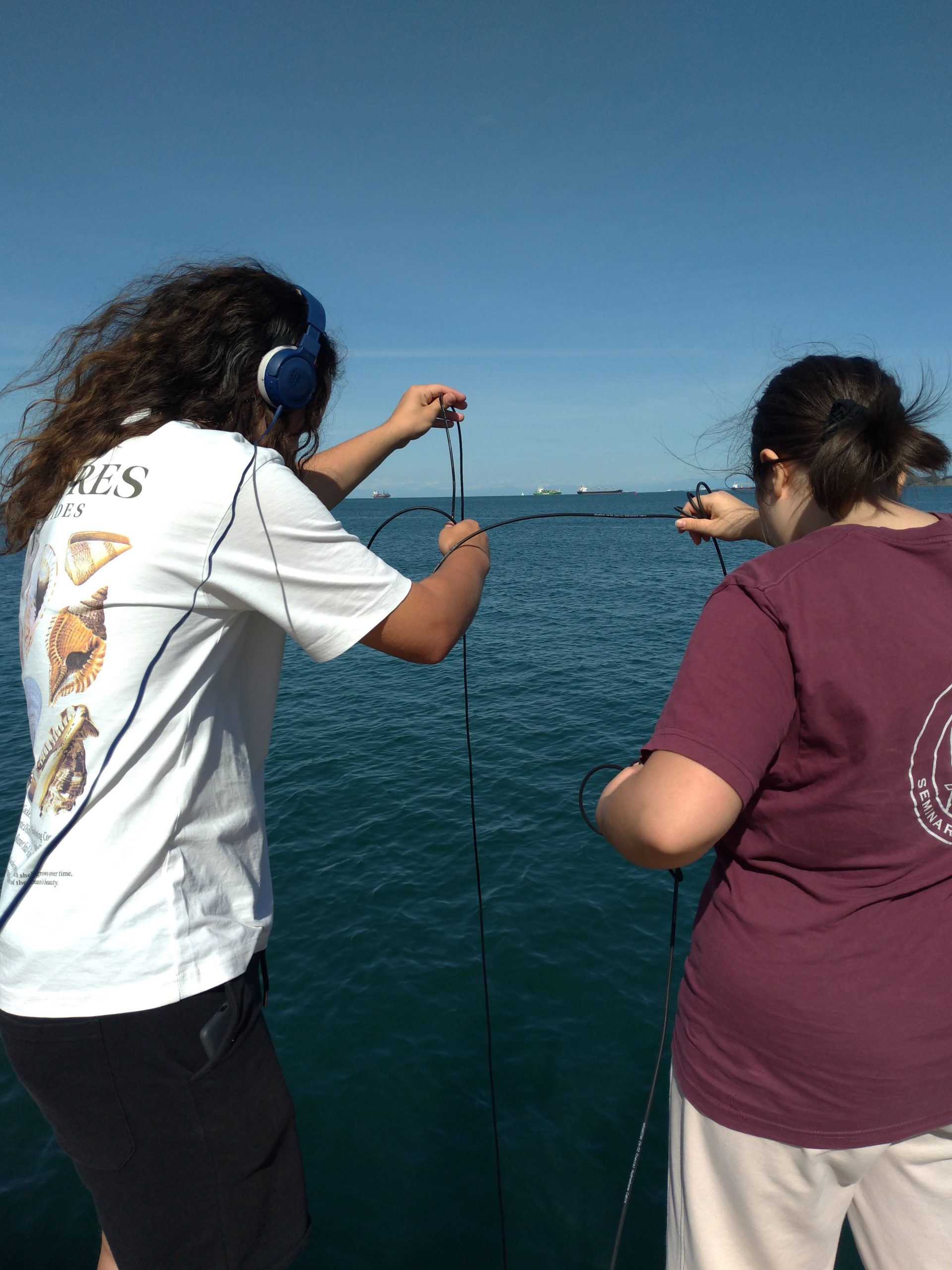
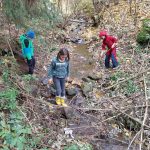
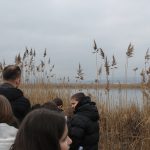
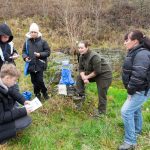
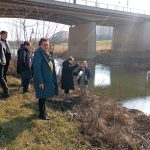
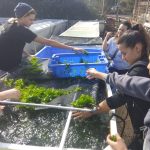
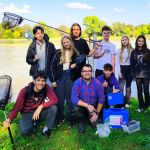
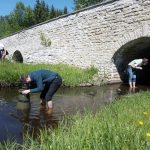
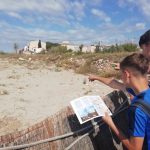
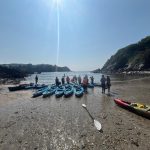
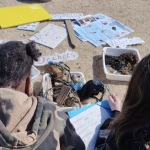
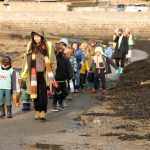
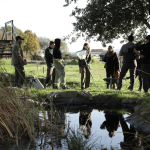
- The first involves underwater noise measurements, where high school students will measure noise levels at various locations, times, and depths in the Bay of Koper. With the help of the NGO PiNA, students will learn how to use hydrophones and other equipment to collect data and underwater video footage. They will also collect water samples to analyze for biodiversity. This phase will last for about three months, from the acquisition of equipment to data processing and reporting. To ensure carbon neutrality, participants will use public transportation or walk, and measurements at sea will be conducted using non-motorized canoes.
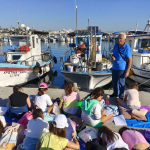
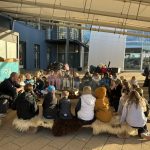
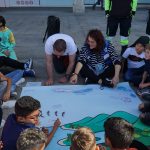
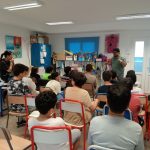
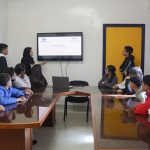
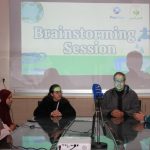
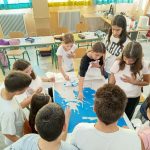
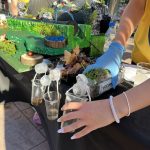
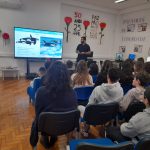
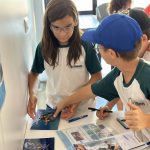
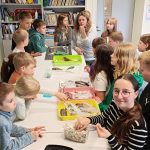
- The second activity focuses on awareness, where the high school students will present their findings to middle and elementary school children. They will use their collected data to create videos and promotional materials, and design hands-on activities, games, and workshops for younger students. This will include on-shore measurements and data analysis exercises. This phase will span from month three to seven, culminating in the submission of final materials to the ProBleu consortium.
The project will collaborate with several external organizations:
NGO PiNA will be involved from the start, providing background information on noise pollution, instructing students on measurement techniques, and helping to process data. Additionally, representatives from the
Marine Biology Station in Piran, the National Institute of Oceanography and Applied Geophysics in Trieste, and the Port of Koper will be invited to give presentations to the students. The project also plans to work with local media, such as TV and Radio Capodistria, and local newspapers, to disseminate information through interviews and press releases.
Expected Outputs & Impact
Project SUoNO will produce a variety of tangible outputs. These include educational materials:
- Lesson plans and protocols, which will be made available in Italian, Slovenian, and English on the school’s website.
- Students will create videos and recordings that will be uploaded to the school’s website, Instagram, and a dedicated YouTube channel.
- There will also be printed promotional material and instructions for workshops distributed to local schools.
- A database of the collected underwater recordings and biodiversity measurements will be created and shared with PiNA.
- The project will also generate reports on the measurements, workshops, and public engagement initiatives, which will be published in the school’s magazine and website.
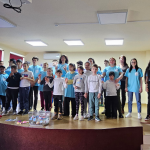
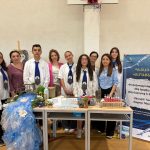
The project’s activities will be integrated into the school’s curriculum, connecting to subjects like Biology, Physics, Geography, Informatics, Music, and Art. It will also be showcased during school open days and integrated into the school’s activities as part of the UNESCO Network of schools. The project is designed to be a citizen science initiative, with the goal of being replicated by other students and schools in the future. All materials will be made openly accessible to encourage others to use them. The project will involve a significant number of participants: 18 high school students directly, with 4 biology majors indirectly involved. The project also plans to reach up to 120 children from other schools for workshops and activities, with an additional 30 students attending events.
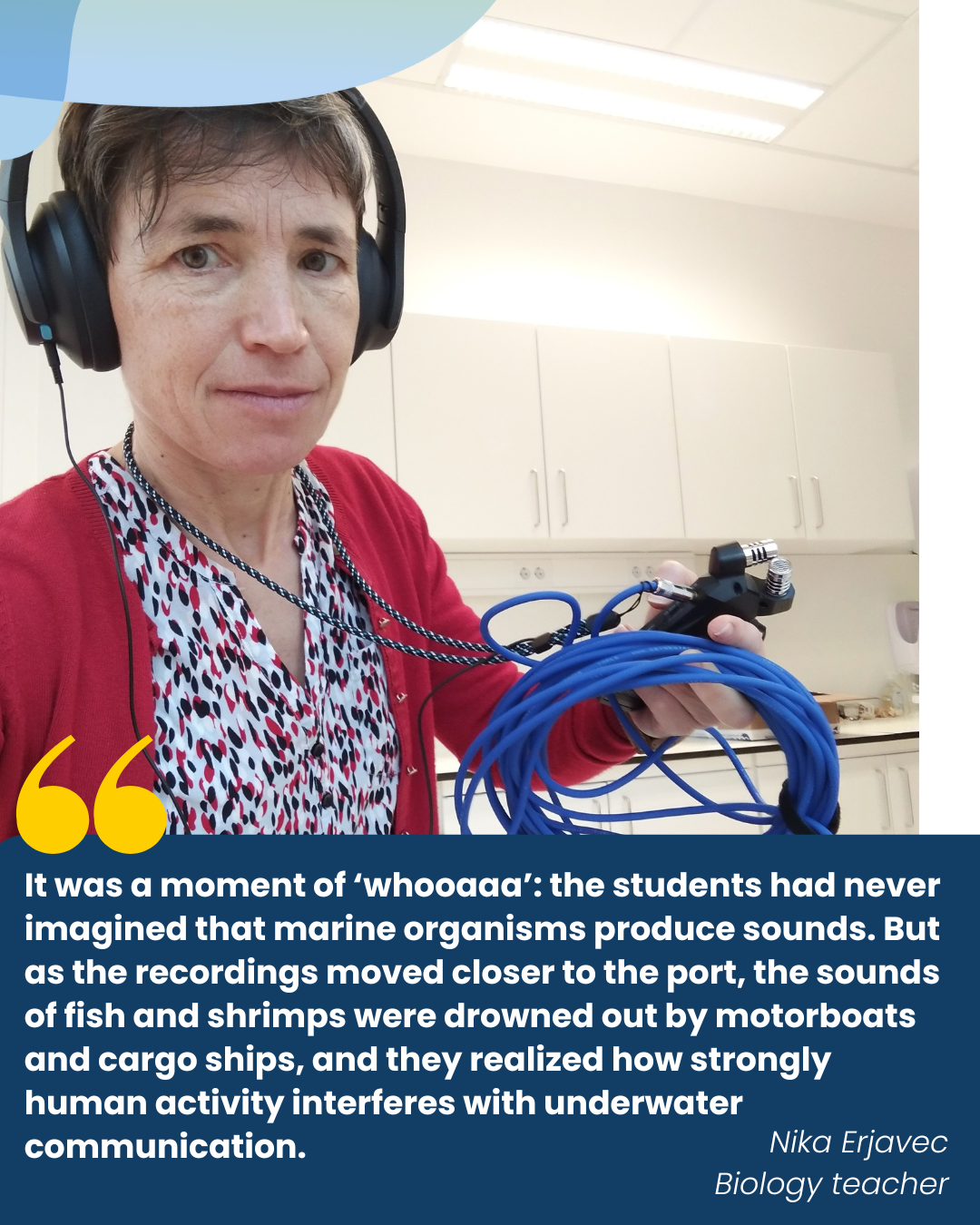
Nika Erjavec, the leading teacher, explains about this project: “When we think about pollution in the oceans, what comes to our mind is mainly what we see: plastic bottles floating in the sea or fishermen nets brought to the shore by the waves. However, there’s another type of pollution that is equally insidious, yet not as conspicuous, simply because we don’t see it. In fact, we can’t see it; we need to listen to it. It’s underwater noise pollution.
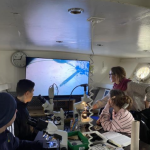
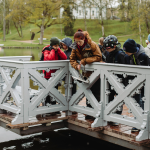
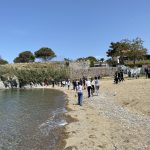
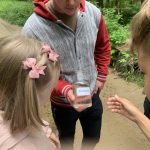
To find out more about the impact of underwater noise pollution on marine ecosystems, our high school acquired a couple of hydrophones (microphones for listening underwater), and the students went out to record sounds along different stretches of the shore. It was a moment of “whooaaa”. They had never thought of any sounds being produced by marine organisms! So, it was a revelatory moment. However, as the recordings were done closer and closer to the port of Koper, a sense of disappointment sank in. The sound of fish and shrimps turning stones on the seafloor became drowned out by the noise of motorboats, tug vessels, cargo ships and pilon fitting. The students realized how human activity was interfering with underwater communication by marine life forms.
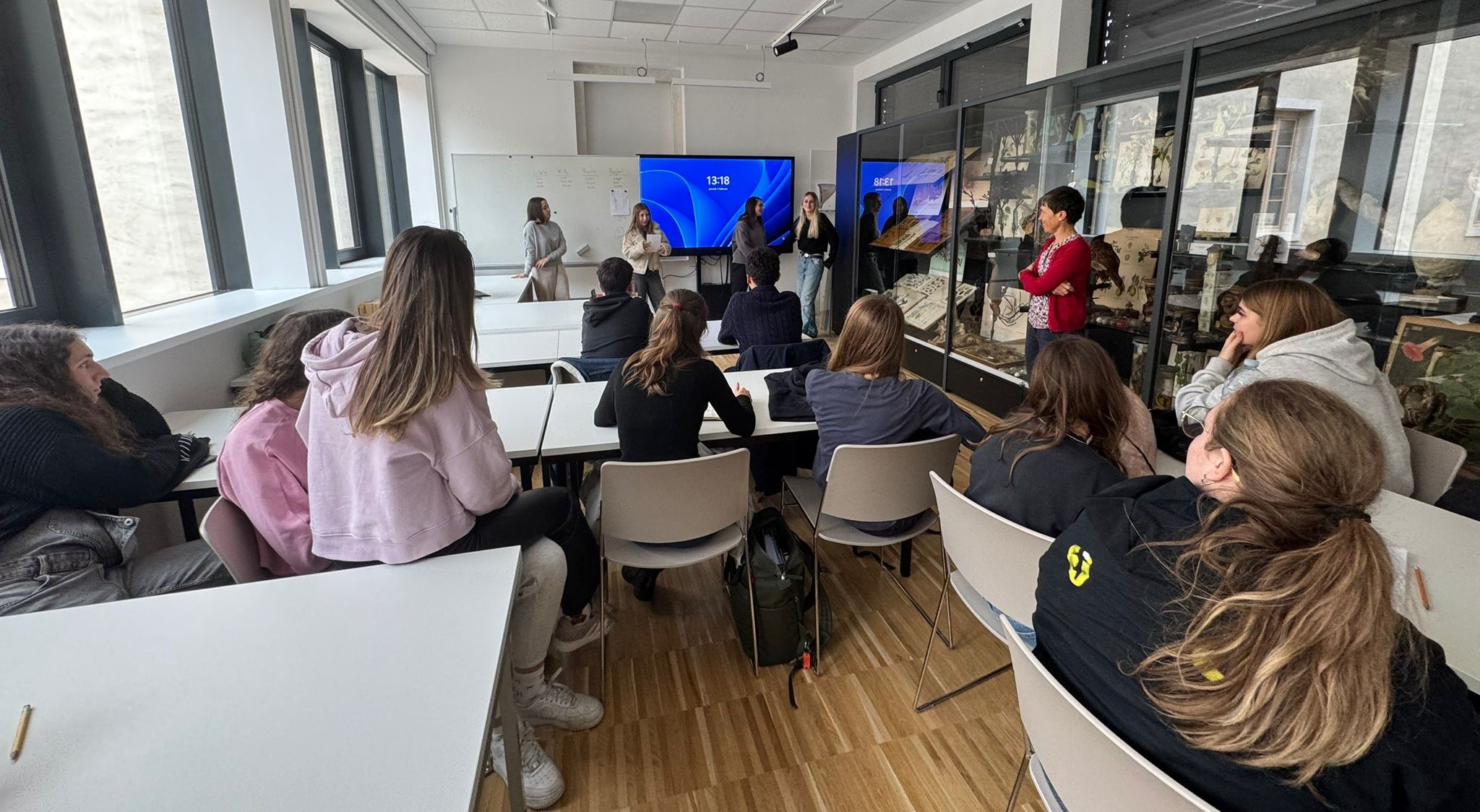
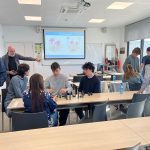
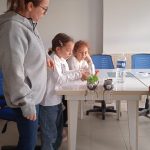
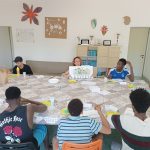
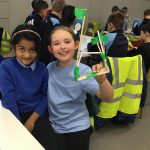
Based on this realization, the students devised classroom games that could mimic the effect of underwater noise pollution. The students tried out the games and produced protocols for their implementation with schoolchildren. The aim is to play the games at different schools so that children can understand how the noise arising from the port or other human activity impacts sea life and, therefore, how we should seek out the use of non-motorized vessels at least for our leisure summer activities.”




























 Funded by the European Union