
Čepin, Croatia
4th FUNDING CALL
Objectives
The BIOBOT project aims to empower students to use their STEM knowledge to tackle plastic pollution. It combines environmental education, sustainable design, and real-world problem-solving. The specific objectives are to:
- Help students understand the environmental impact of plastic litter in aquatic ecosystems.
- Engage students in designing and building small-scale mechanical vessels from biodegradable and recyclable materials.
- Encourage creativity and innovation through a competition.
- Introduce students to the challenges of water pollution and ecosystem-based solutions through the EU Horizon EcoDaLLi project.
- Foster engineering, teamwork, and analytical skills.
- Promote sustainability and circular economy thinking.
- Create a platform for public outreach by showcasing the best student designs at the County Technology Fair.
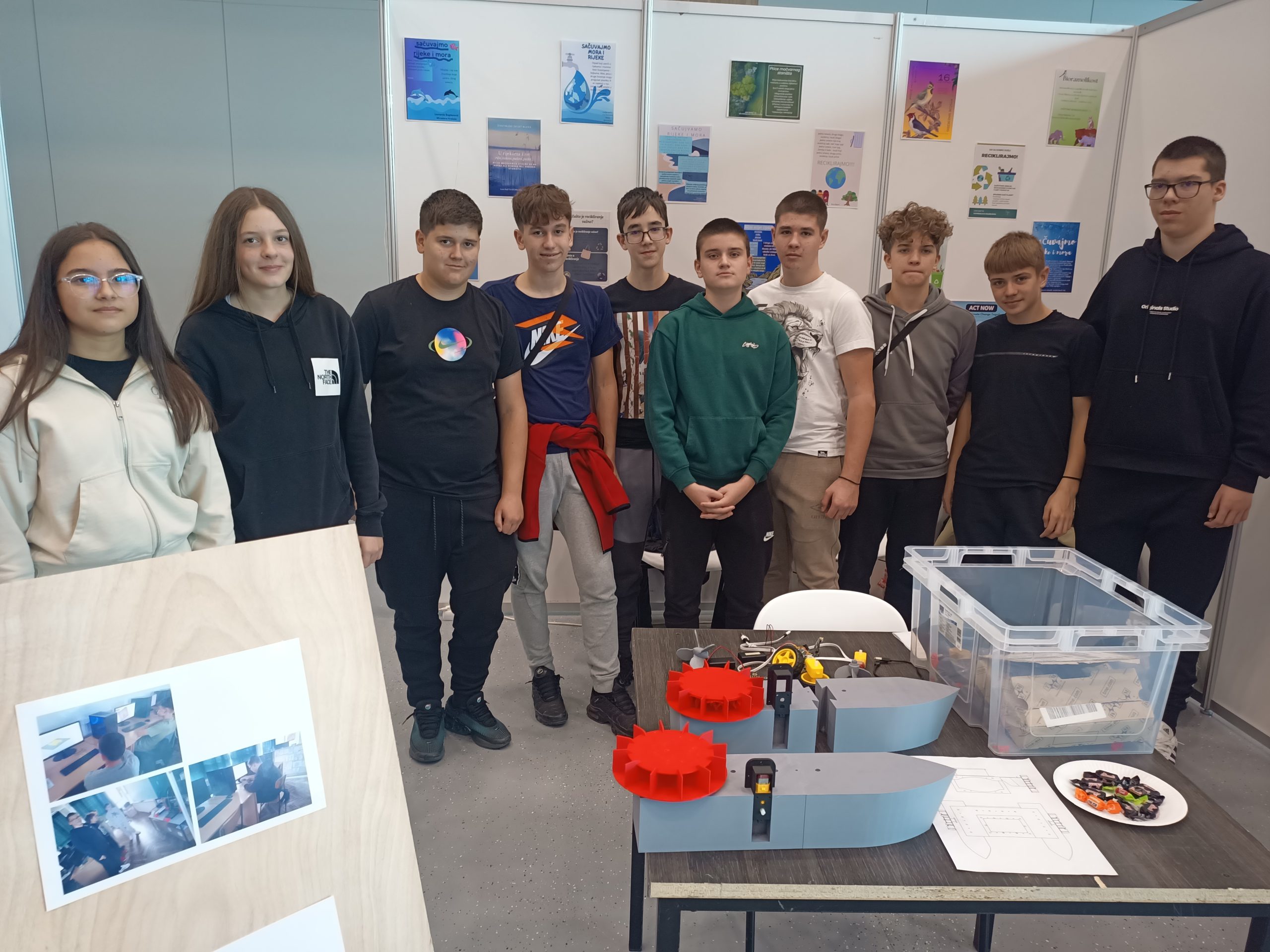
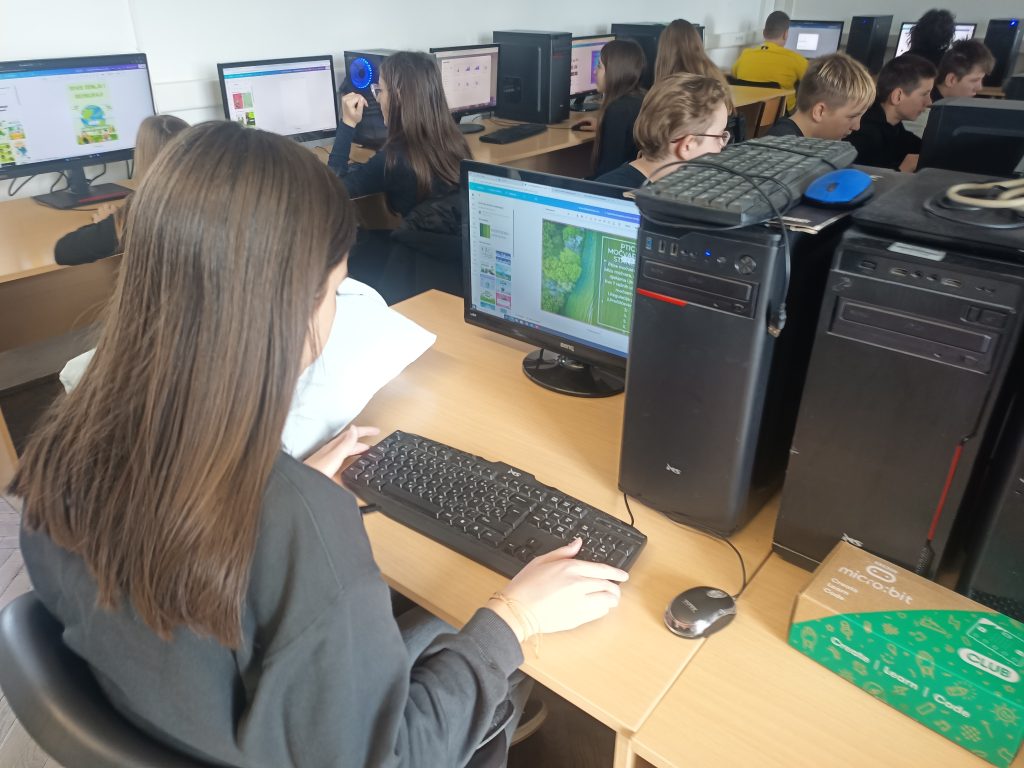
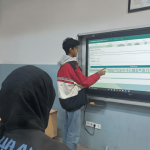
As part of the ProBleu project BIOBOT, we are developing a vessel that cleans waters and seas by collecting plastic. The vessel is made from environmentally friendly materials. Development domains are integrated through the 8th grade informatics curriculum, where we design the vessel using CAD/CAM in elective topics; education of 7th-grade students in informatics on biodiversity, ecology, water conservation, aquatic ecosystems, and the importance of wetlands and wetland habitats—students design a poster calling on other students and the public to preserve these, using Canva and Inkscape tools, and create a 10-slide presentation in their chosen tool showing what they learned by studying concepts assigned by the teacher; in the 8th-grade technical culture curriculum, students learn to connect DC circuits and electronic components hands-on and in the TinkerCAD simulator, as well as automation and robotization of the vessel; in 8th-grade informatics, they apply learned electronics material to connections with microcontrollers, drive assemblies, and sensors, and program them. Multidisciplinarity is mainly focused on technology for the purpose of preserving nature, the environment, biodiversity, and waters.
Activities & Collaborations
The six-month project is structured into several phases.
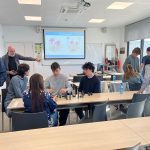
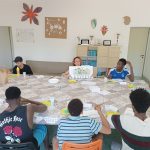
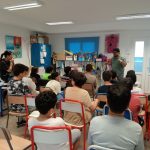
- Phase 1: Project Launch and Orientation (Month 1): Teams of 3-5 students will be formed. An introductory workshop on plastic pollution, ecosystems, and sustainable engineering will be held. Students will be introduced to the EcoDaLLi project.
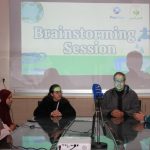
- Phase 2: Research and Concept Development (Month 2): Students will research biomaterials, propulsion methods, and collection mechanisms. They will brainstorm and develop design ideas.
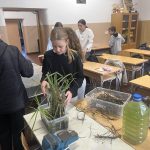
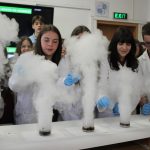
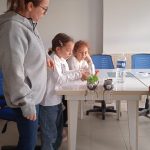
- Phase 3: Building and Testing Vessels (Months 3-4): Teams will construct vessels using biomaterials and recycled components. They will then test and refine their designs for efficiency in collecting floating plastic litter.
- Phase 4: Competition and Evaluation (Month 5): A competition will be organized to test which vessel performs best based on efficiency, innovation, sustainability, and practicality.
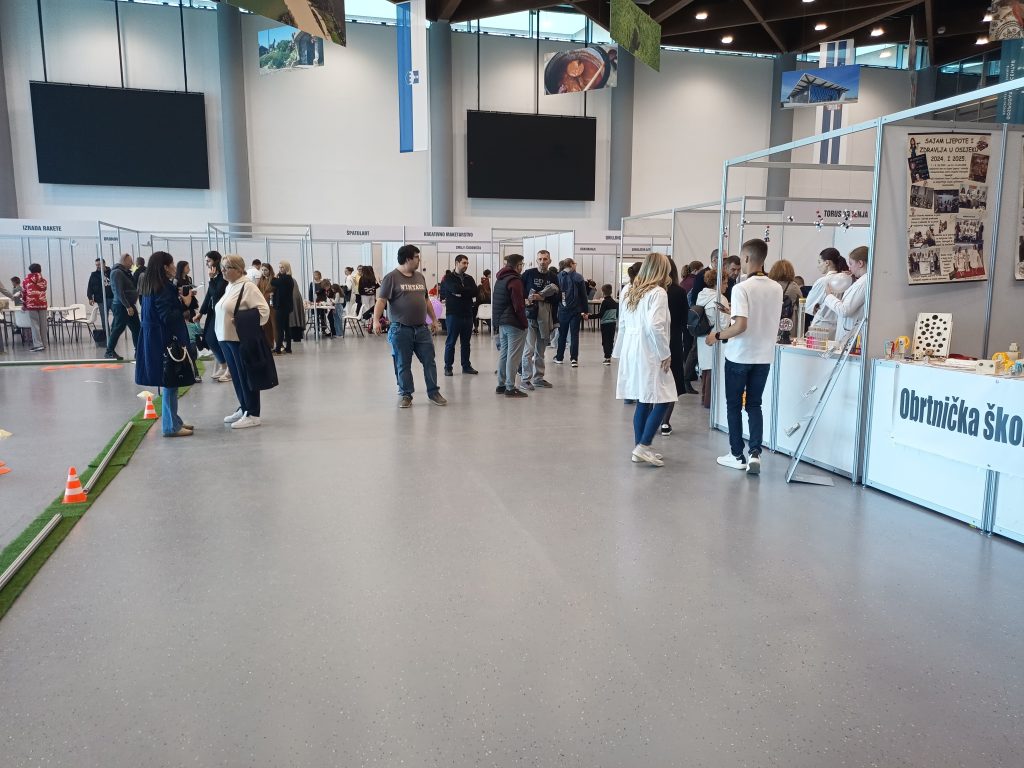
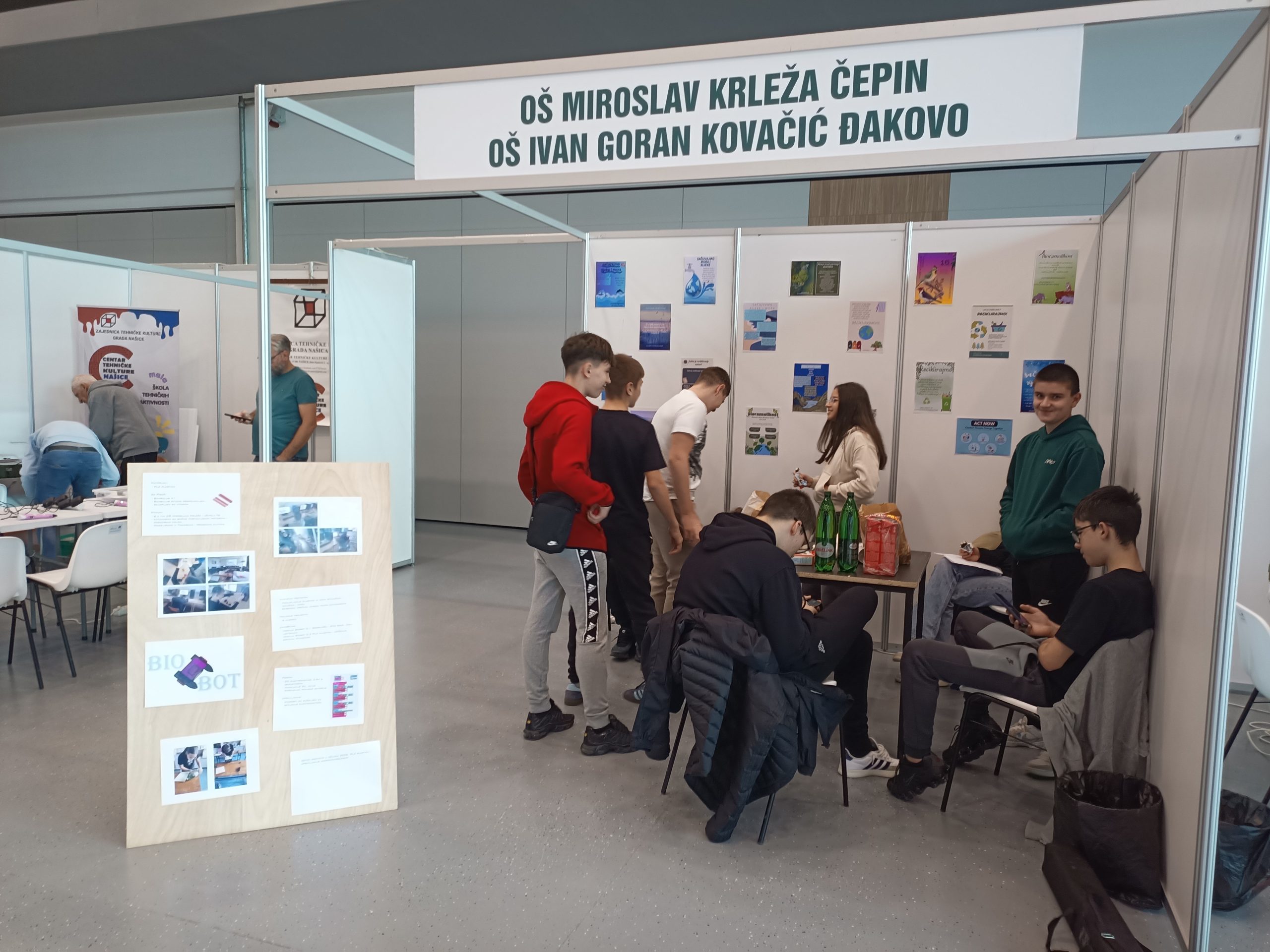
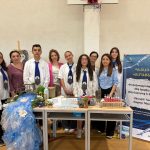
- Phase 5: Public Presentation and Dissemination (Month 6): Students will prepare posters and presentations to showcase their vessels at the County Technology Fair.
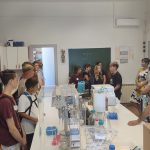
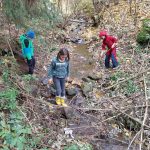
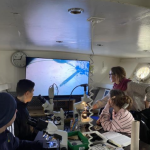
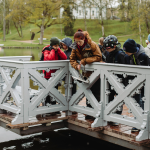
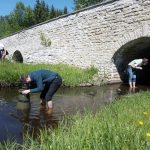
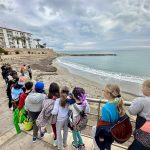
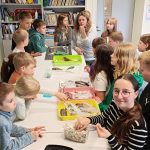
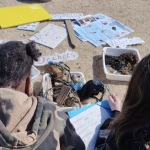
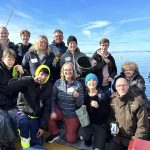
The project involves collaboration with two partner schools, OŠ Franje Krežme Osijek and OŠ Ivana Gorana Kovačića Đakovo. The plan is to visit each other’s schools for project presentations and field or laboratory work. Students will engage in peer collaboration to exchange ideas and experiences. The project is also supported by the EU Horizon EcoDaLLi project, which provides a real-world context for the students’ work.
Expected Outputs & Impact
The project will generate several tangible outputs.
- Educational materials: These will include lesson plans, activity guides, and a build manual for constructing the cleanup vessels. They will be shared on the school’s website and EcoDaLLi communication channels.
- Student-generated outputs: Students will create design portfolios, testing data reports, posters, and presentations.
- Communication and dissemination: Outputs will also include short videos, photo stories, and blogs documenting the project, to be shared on school and EcoDaLLi platforms.
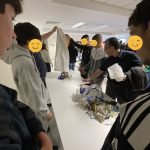
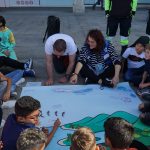
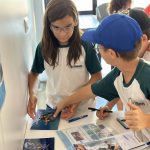
Students conceptualised and created educational posters with important messages, learned concepts essential for understanding the project content and the biosphere in general, and increased awareness of environmental protection, resulting in visibly less food waste in the school kitchen, which was not even foreseen by the project itself. Integrated technical culture and informatics classes with biology, physics, and geography content.
Citizen science: Students will act as young researchers by collecting and analyzing data on their vessel designs and sharing their findings with the community.
Cross-curricular learning: The project will be integrated into subjects like biology, physics, chemistry, geography, and art & design.
Open schooling: The final presentation at the County Technology Fair will connect students with local public authorities, governance stakeholders, and the broader community.
























 Funded by the European Union