Košice, Slovakia
4th FUNDING CALL
Objectives
The “Searching for Living Water” project is a hands-on educational initiative that engages students in exploring local water sources for living organisms and microplastics. The project will run for seven months and aims to encourage environmental awareness, scientific thinking, and responsible behavior toward nature conservation.
The project has several objectives.
- Develop pupils’ environmental awareness regarding the cleanliness and pollution of various local water sources in Slovakia.
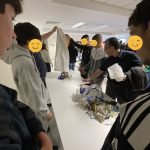
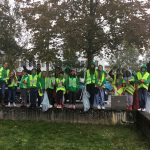
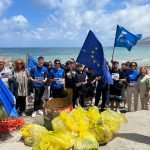
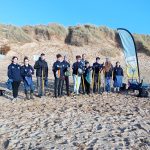
- Actively engage pupils in maintaining clean surroundings near water sources by organizing waste collection activities.
- Develop and share a student-led study focused on the occurrence of living organisms and the presence of microplastics in water sources at selected locations in Eastern Slovakia.
- Raise awareness about microplastic pollution in water and explore solutions with invited experts.
Activities & Collaborations
The project is structured into several distinct phases with a clear timeline.
Activities
- Starting Phase: The project starts in September 2025 with the establishment of a project team and the planning of excursions to selected water sampling sites. Students will formulate research hypotheses, such as predicting which water source will contain the most living organisms or microplastics.
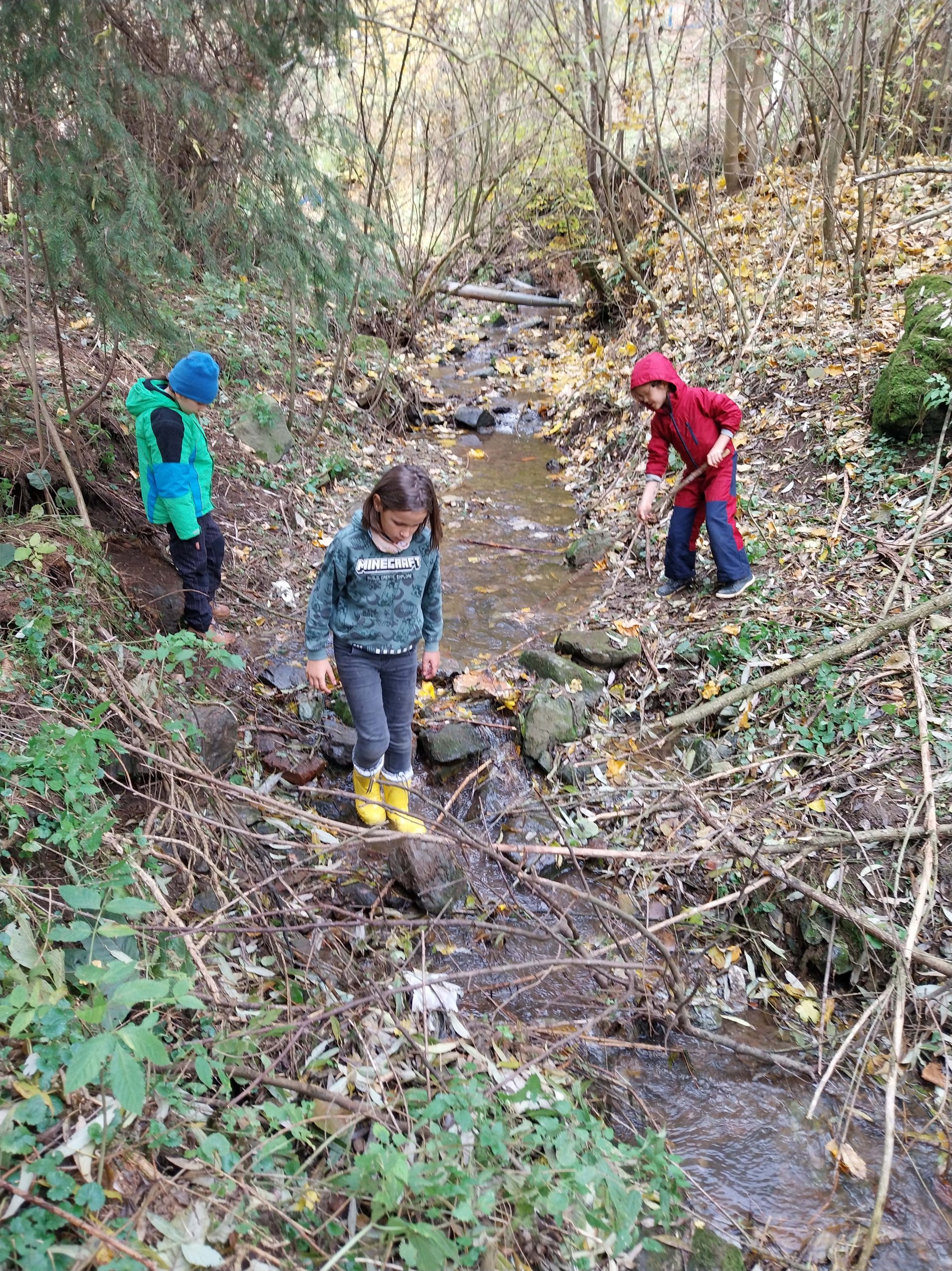
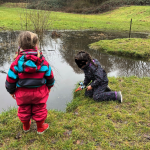
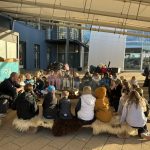
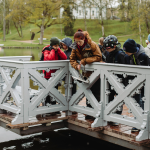
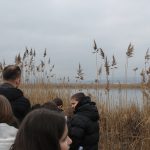
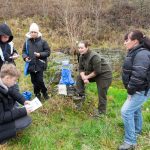
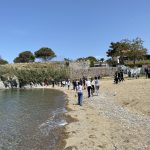
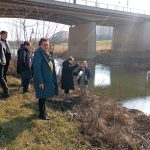
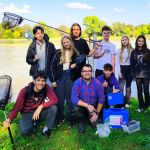
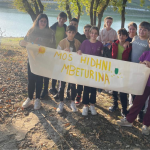
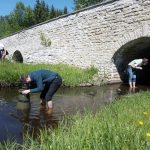
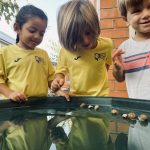
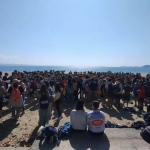
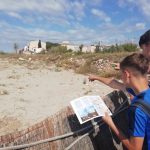
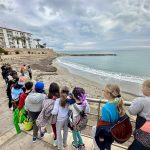
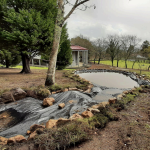
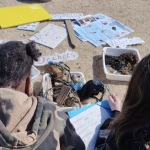
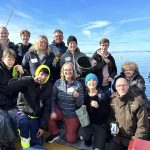
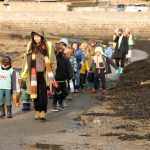
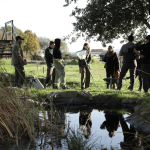
- Outdoor Water Testing & Clean-up: From September to December 2025, students will visit various natural water sources, collect samples, and clean the surrounding areas. One of the visits will include an overnight stay in the mountain village of Žakarovce, combined with a clean-up activity along the local stream.
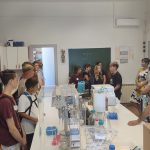
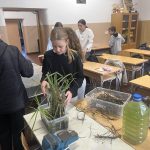
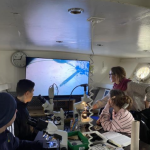
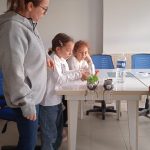
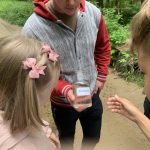
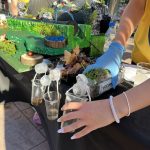
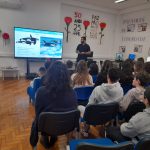
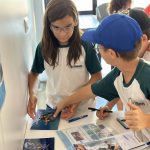
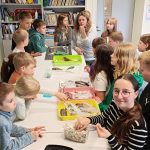
- Indoor Water Testing: During the same period (September to December 2025), water samples will be filtered and examined under a microscope in the classroom or at home to identify potential microplastics. Students will record their findings and compare the results from different sources to identify patterns in pollution.
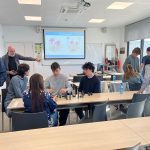
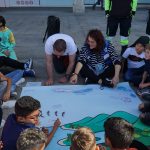
- Workshops & Discussions: From September to February 2025, students will participate in environmental workshops or excursions with external experts from organizations like Ekocentrum Sosna and the Slovak Hydrometeorological Institute (SHMU).
- Study Elaboration: From September to February 2025, pupils will prepare a self-reported study that compares their research results with the initial hypotheses.


Collaborations
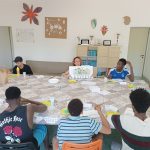
- Families: Families of the homeschooled students will play an active role by collecting water samples from their surroundings and participating in school events.
- Other Schools: The project aims to share its findings and educational materials with other schools in the eastern regions of Slovakia. The school will prepare simple activities and guides that any school can use, and they can lend outdoor microscopes.
- Non-profit Organizations & Experts: Non-profit organizations like Ekocentrum SOSNA and the Slovak Hydrometeorological Institute (SHMU) will provide expert guidance, help with workshops, and join discussions with students.
- Local Authorities: The municipality of Žakarovce will be involved in educational efforts focused on reducing plastic waste and will collaborate with the school on clean-up activities around the local stream.
Expected Outputs & Impact
The project aims to produce a variety of tangible materials and resources.
Outputs
- Educational Materials: The project will produce a set of educational materials, including data analysis on the number of living organisms and microplastics found, graphics, charts, and infographics.
- Student-Created Content: Students will create presentations with descriptions of procedures, results, and proposed solutions, as well as videos and a final self-reported study.
- Reusable Guides: The project will create a set of simple activities and guides that any school can use.
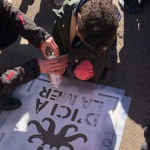
- Information Poster: An information poster will be created for homeschoolers, other schools, and communities.
Impact
- Wider Community Engagement: The project will directly involve 40 students and indirectly reach approximately 700 home-educated pupils. The project will also involve families, other students, school staff, NGOs, and local authorities, promoting open schooling and community cooperation.
Citizen Science: Students will actively contribute to real-world environmental data collection, analysis, and communication by collecting water samples, testing their own hypotheses, and collaborating with experts. The results will be shared widely, reinforcing the project’s citizen science principles.



























 Funded by the European Union