
Diving Deep: A European Water Literacy Adventure
Almere, Netherlands
3rd FUNDING CALL
Imagine students tracing the mighty Rhine, from its crisp Swiss origins to the vast IJsselmeer in the Netherlands, not as tourists, but as scientists. This isn’t a pipe dream, but a reality unfolding at Helen Parkhurst (HP) School, a GLOBE member, where water literacy is taking centre stage.
Driven by the understanding that the Netherlands’ drinking water depends on the health of European rivers, HP’s Technasium program has launched an ambitious project. The core objectives are clear: to raise awareness about the interconnectedness of European nations regarding water quality, to highlight microplastic pollution, and to demonstrate the power of scientific research for citizens. Beyond scientific inquiry, the project aims to foster a sense of European identity and pride among students, particularly those from Almere, a city striving for inclusivity.
A River of Activities:
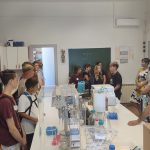
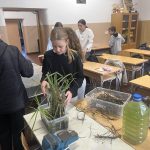
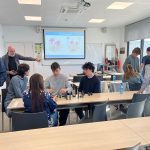
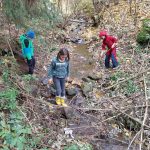
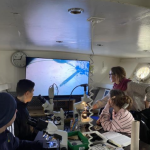
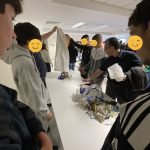
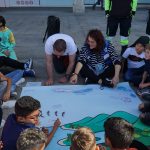
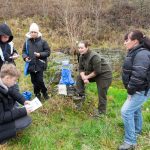
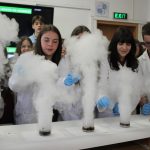
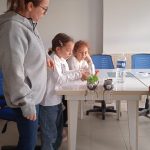
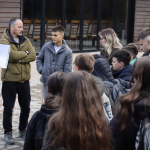
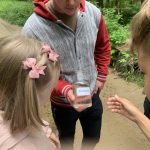
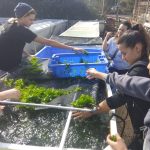
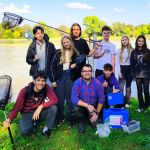
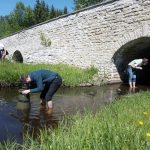
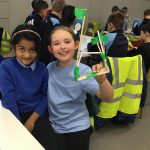
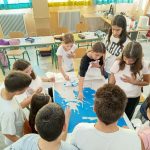
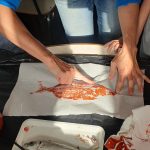
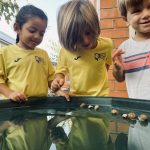
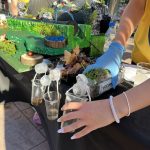
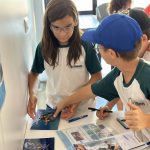
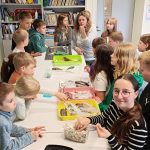
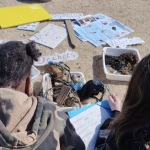
The project’s activities are as diverse as the Rhine itself. Students are immersed in hands-on learning, starting with in-school projects exploring microplastics, water purification, and using GLOBE protocols to analyse freshwater samples. This isn’t just theory; they’re venturing out, taking samples, and engaging with scientists.
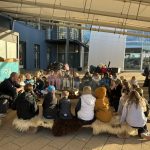
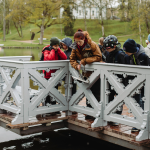
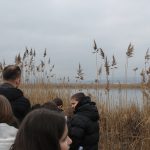
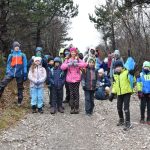
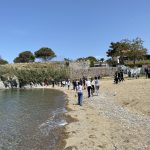
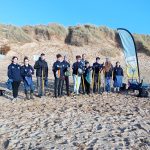
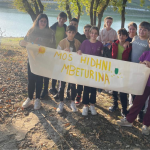
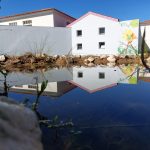
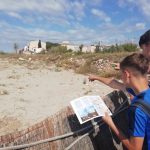
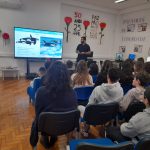
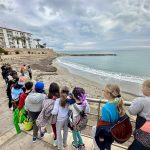
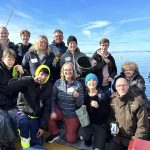
To deepen their understanding of water governance, students are visiting crucial institutions like Rijkswaterstaat and RIVM, learning about water quality management. But the highlight? A transformative European trip, following the Rhine. Armed with testing kits, students are analysing water samples along the route, witnessing firsthand how pollution travels across borders. They’re also measuring physical parameters like water temperature and flow speed, gaining a holistic view of the river’s health.
Collaborations and Outputs:
Collaboration is key. HP is connected with Rijkswaterstaat, RIVM, the University of Amsterdam, and even Deakin University in Australia. This ensures students are learning from experts and contributing to real-world research.
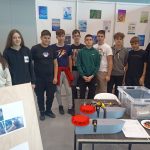
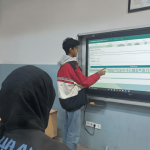
The project’s outputs are designed for maximum impact. Students are creating scientific posters, uploading data to GLOBE, and presenting their findings at the GLOBE Science Fair. They are also producing a documentary video of their European journey, showcasing their research and cultural experiences. Moreover, the school will create an online repository of all the research data and posters, allowing public access to their findings.
The final results and protocols will be sent to the ProBleu consortium, and feedback will be given to GLOBE and Deakin University.
Impact and Inspiration:
This project is more than just a school assignment; it’s a catalyst for change. By engaging students in real scientific research, HP is fostering a generation of environmentally conscious citizens. The project’s inclusive approach ensures that students from all backgrounds have the opportunity to participate, promoting equity and access to scientific exploration.
The impact extends beyond the classroom. By sharing their findings with experts and the wider community, students are contributing to vital conversations about water quality and European cooperation. The project’s website and documentary will serve as valuable resources for other schools, inspiring them to embark on their own water literacy journeys.
Helen Parkhurst’s Rhine adventure is a testament to the power of hands-on learning and international collaboration. It’s a reminder that even young students can make a significant contribution to scientific research and environmental stewardship. If you’re looking to ignite a passion for science and environmental awareness in your school, take inspiration from HP’s project – dive in, explore, and make a difference!

























 Funded by the European Union