
Bolungarvík, Iceland
4th FUNDING CALL
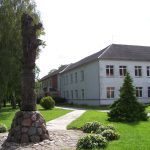
In Bolungarvík, a small fishing community in the Westfjords of Iceland, the ocean is deeply connected to local culture, livelihoods, and everyday life. Hafið Okkar – Blue Bolungarvík (HOBB) was created to help students explore that connection through citizen science, ocean literacy, and creative communication. The project brings together science, education, and community participation to encourage young people to better understand the marine environment surrounding them.
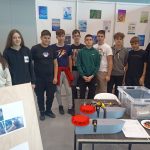
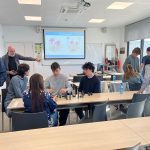
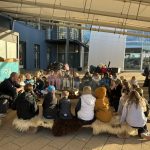
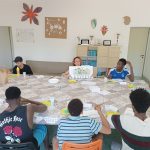
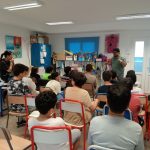
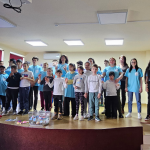
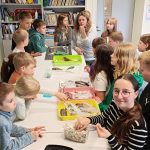
The initiative involves all 100 students at Bolungarvík Primary School, from grades 1 to 10, and focuses on marine biodiversity, invasive species, protected waters, and climate-related changes in coastal ecosystems. Through hands-on activities and interdisciplinary learning, students are introduced to the role they can play as active ocean citizens.
Objectives
One of the project’s main objectives is to improve students’ understanding of the invasive Atlantic rock crab and the environmental challenges linked to marine ecosystems in Iceland. Students explore where invasive species come from, how they spread, and why long-term monitoring is important for biodiversity and coastal management.
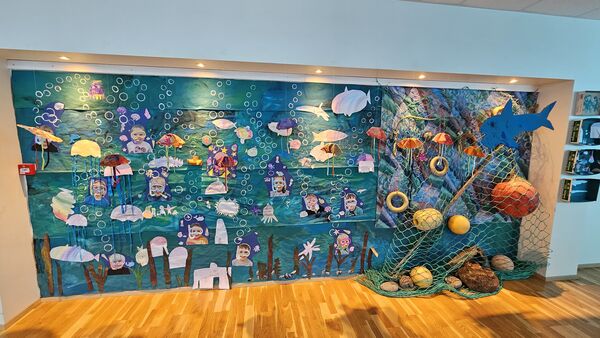
The project also aims to strengthen ocean literacy by combining scientific research with communication and artistic expression. Students are encouraged not only to collect and analyse data, but also to communicate their findings through podcasts, presentations, and artwork. Another important goal is to connect students with local institutions and researchers working on marine issues in the region.
Actions
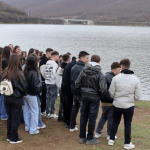
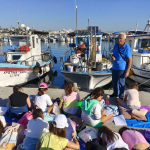
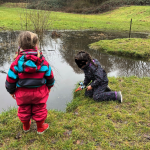
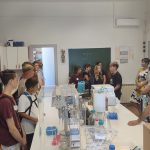
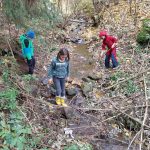
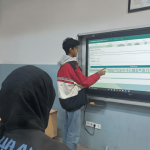
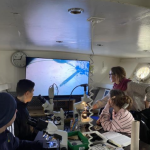
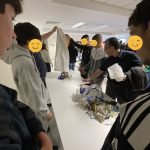
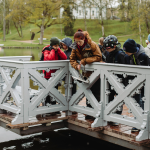
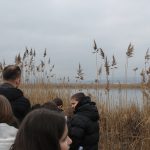
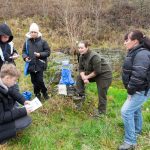
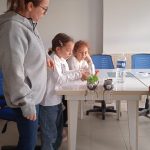
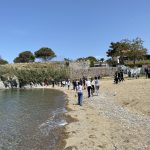
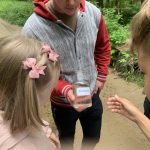
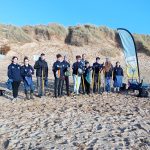
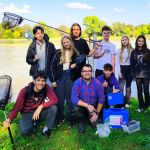
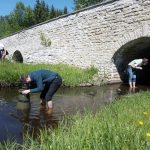
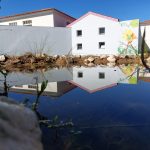
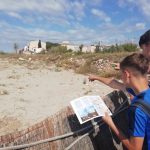
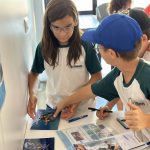
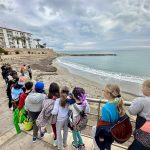
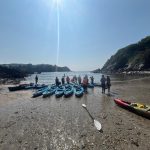
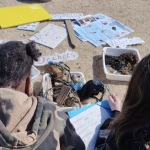
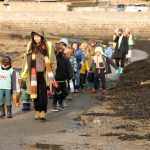
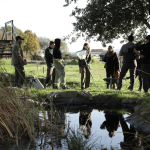
Fieldwork activities take place both in the harbour area of Bolungarvík and in the protected bay of Skálavík. Students use funnel traps to monitor crab populations and record environmental data such as water temperature, depth, size, and sex of specimens. Older students also analyse the collected data during science and mathematics lessons.
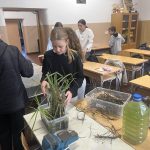
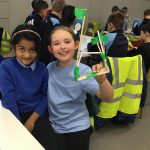
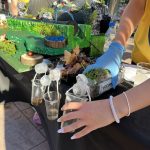
As part of the project, students build their own plankton samplers to study crab larvae and other marine organisms. The activities also introduce discussions about marine microplastics, biodiversity, and marine conservation.
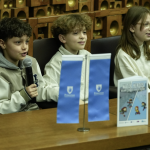
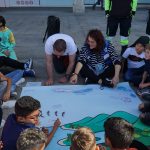
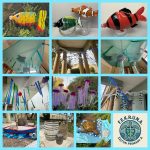
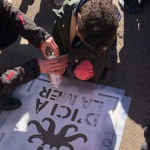
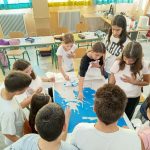
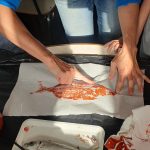
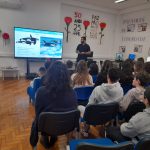
Communication and creativity are central elements of HOBB. Older students produce a podcast series based on their experiences and research findings, while younger students create ocean-inspired artwork. The project also plans to develop brochures, stickers, and educational materials to share the work with the wider community.
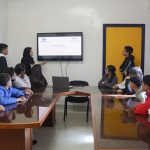
The project is developed in collaboration with several regional partners, including the University Centre of the Westfjords, the Marine Research Institute, the Westfjords Natural History Museum, local fisheries and aquaculture companies, and the municipality and harbour authorities of Bolungarvík. Students from neighbouring schools in Ísafjörður are also invited to participate in some activities.
Results
HOBB will produce a local dataset on invasive crab populations, contributing valuable information to marine researchers, since these species are not currently monitored locally by the Marine Research Institute. The project will also generate podcasts, presentations, educational resources, and artistic outputs that can be reused by other schools in Iceland.
Beyond the tangible outputs, the project strengthens the relationship between the school and the surrounding marine environment. It shows how citizen science can become part of everyday education in small rural communities and demonstrates that students can actively contribute to scientific knowledge while developing communication, analytical, and collaborative skills.




























 Funded by the European Union