Żejtun, Malta
4th FUNDING CALL
Objectives
This project uses the theme of sea turtles to integrate various subjects, from STEM to the arts, and teach students about global sustainability. The project’s main objective is to foster ocean literacy and a sense of environmental responsibility among young learners. By connecting their learning to the United Nations Sustainable Development Goal 14 (Life Below Water), students are encouraged to engage in discussions and activities centered on ocean conservation and sustainability.
The project has several specific objectives designed to create a comprehensive learning experience. These include:
- Ocean Literacy: Helping students understand the life cycle of sea turtles, their habitats in Maltese waters, and the importance of marine conservation.
- Environmental Behavior: Promoting responsible actions, such as reducing single-use plastics and implementing waste-free lunches at school.
- Awareness of Human Impact: Raising awareness about threats to marine life, including destructive fishing practices, plastic pollution, and noise pollution, particularly during the summer.
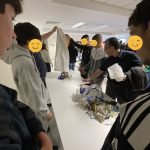
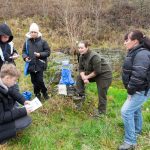
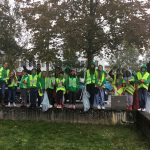
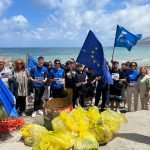
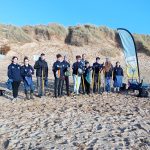
- Active Citizenship: Involving students in real-world learning through beach clean-ups, plastic waste surveys, and interactions with marine experts and NGOs.
- Cross-Curricular Learning: Integrating subjects like science, mathematics, literacy, and the arts through ocean-themed lessons and activities.
- Empathy and Creative Expression: Using storytelling and creative tools, such as the “Fekruna!” (Maltese for “Turtle”) puppet, to build empathy for sea turtles.
- Community Engagement: Organizing exhibitions and a student-led competition to promote ocean literacy and sustainable practices beyond the school.
- Collaboration: Encouraging a network of ocean-literate learners and educators by collaborating with other schools interested in marine education.
Activities & Collaborations
The project is structured in five phases, starting with planning and teacher preparation in November. This initial phase involves establishing the project team, holding training sessions on ocean literacy and the UN Sustainable Development Goals, and designing lesson content and materials. It also includes coordinating with guest speakers and NGOs.
The next phase, in November and December, focuses on student engagement, including a project kick-off event, the launch of the “Fekruna” puppet, and the beginning of a turtle-themed storytime series. Students will also start lessons on sea turtles, their habitats, and human impacts.
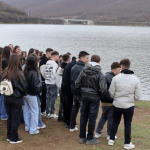
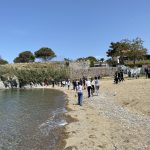
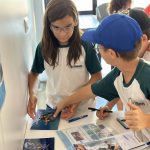
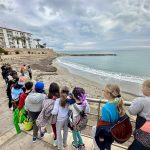
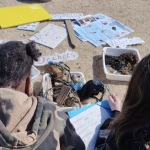
In January and February, the project moves to field work and deeper learning, with activities such as beach visits for plastic litter surveys and virtual turtle journey simulations. Students will also interact with guest speakers and NGOs to learn about real-life conservation efforts. During this time, a whole-school campaign on reducing plastic waste, including zero-waste lunches, will be launched.
The project involves several key collaborations with local organizations. The Marsa Scout Group will participate in clean-up activities and presentations. Nature Trust, a leading environmental NGO focused on sea turtles, will have members share their expertise with students and offer a visit to their wildlife rehabilitation center. The “Saving Our Blue” campaign from the Ministry for the Environment will also be involved in awareness-raising sessions.
Expected Outputs & Impact
The project is expected to produce a variety of tangible outputs that can be shared with other schools and the wider community. These include:
- Storybook Series and Resources: A collection of turtle stories, bilingual lesson plans, worksheets, and songs focused on marine life.
- Educational Tools: The custom-made “Fekruna” puppet to engage children in conversations about sustainability.
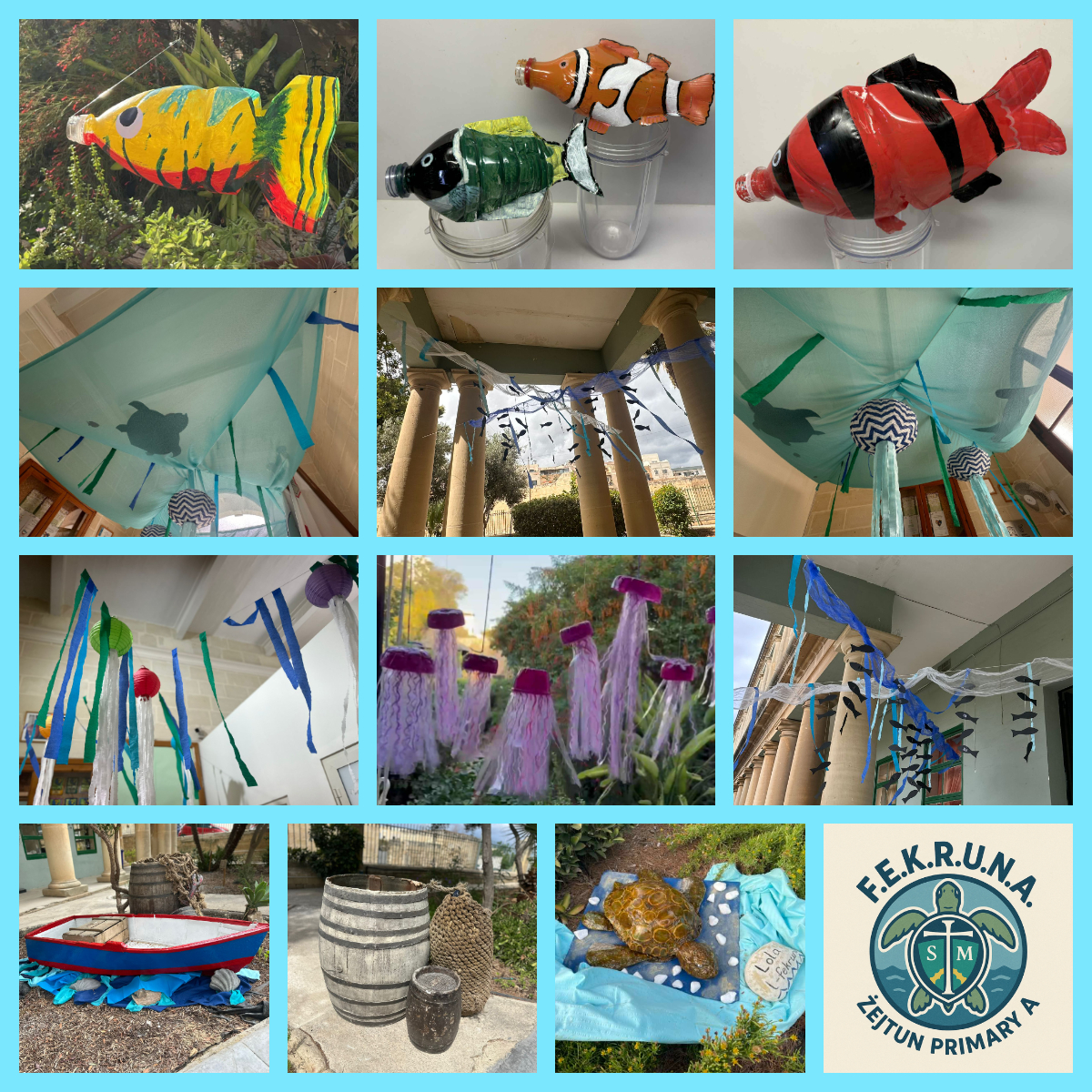
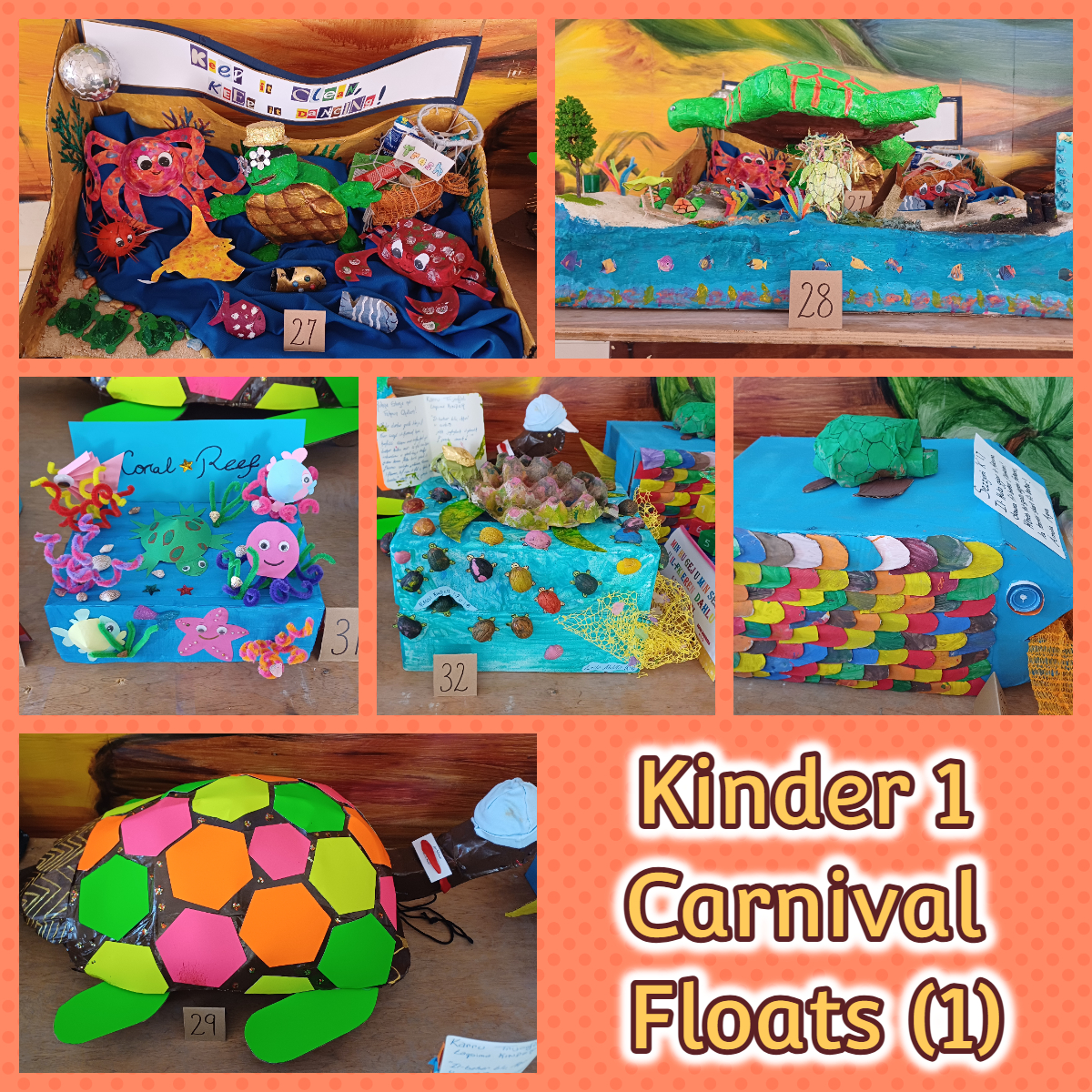
- Student Work: Student artwork, crafts from recycled materials, and data collected from beach visits on plastic waste.
- Campaigns and Events: Documentation of the Zero Plastic and Waste-Free Lunch campaign, as well as educational exhibitions and a competition.
- Teacher Resources: Continuous training materials, resource packs, and reflection tools to help embed ocean literacy into the curriculum.
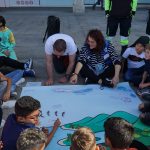
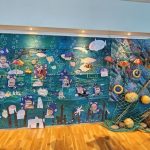
The project anticipates significant results, such as increased awareness of local marine biodiversity, stronger environmental stewardship among young learners, and a better understanding of the connection between human actions and ocean health. The project also aims to make complex environmental issues accessible to all students, including those with learning difficulties or disabilities, by using multi-sensory materials like a sensory mural. The materials will be made available to other schools to help spread ocean literacy and sustainability education throughout the wider educational community.

























 Funded by the European Union