
Mitrovica, Kosovo
4th FUNDING CALL
Objectives
The Rain Keepers project aims to help students understand the water cycle, the value of rainwater, and the threats facing freshwater sources. It encourages them to engage in environmental inquiry by collecting real data, observing local water sources, and reflecting on their findings. Creativity is a key part of the journey — through drawing, storytelling, and designing rainwater systems, students find their own way to express and share what they learn. Another goal is to bring the school and wider community closer together through public exhibitions and shared experiences.
Activities & Collaborations
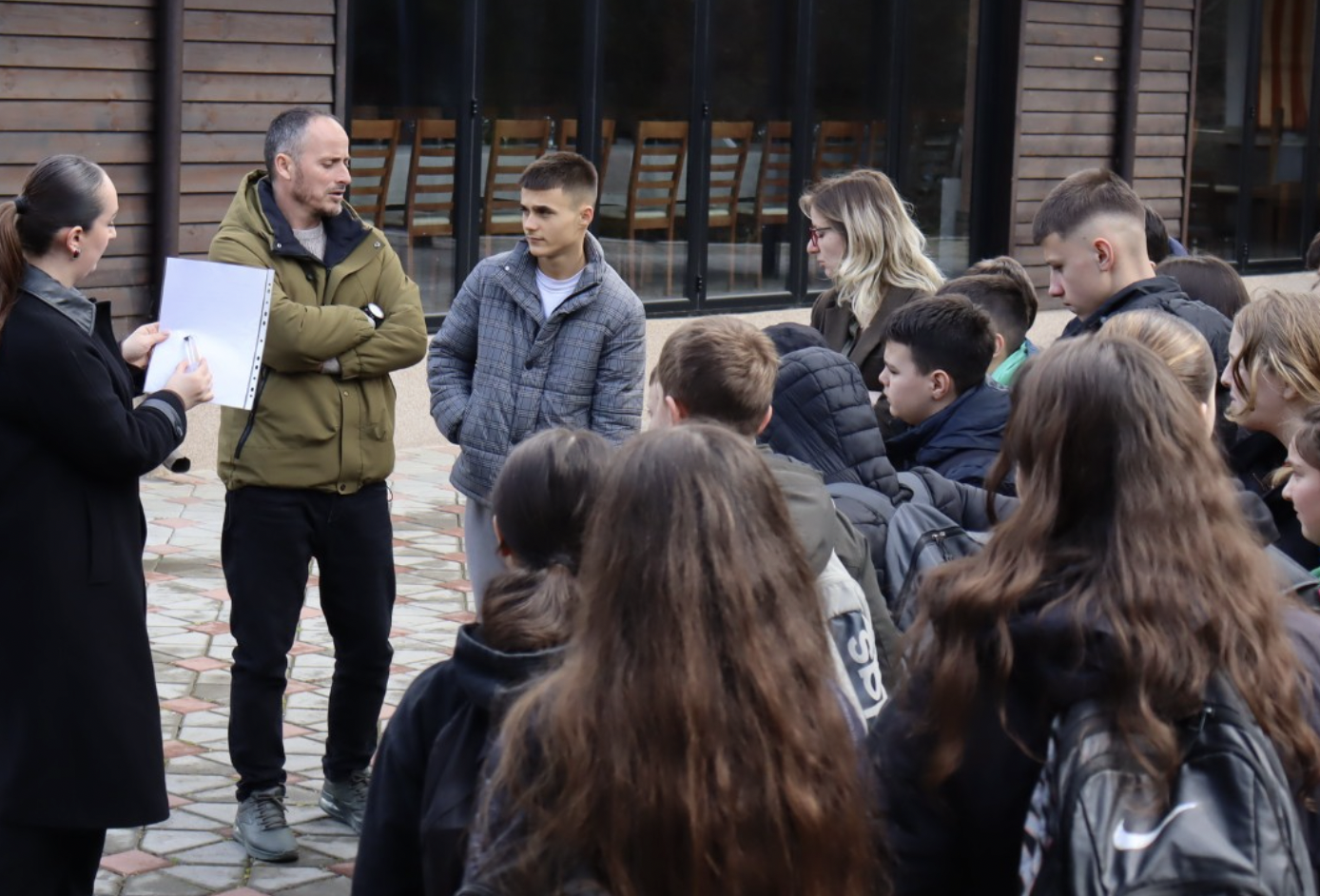
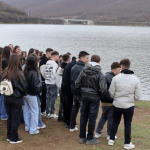
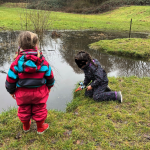
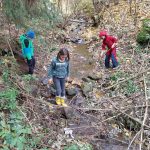
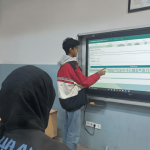
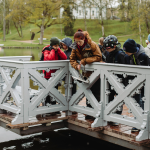
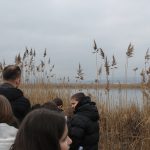
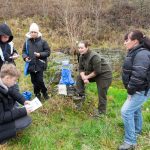
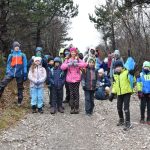
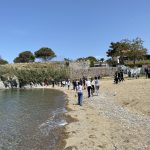
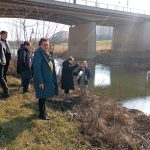
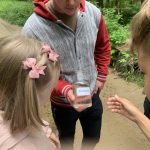
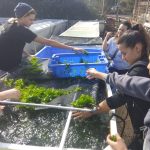
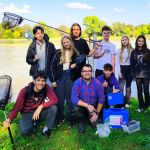
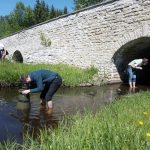
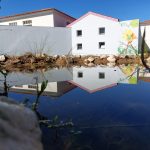
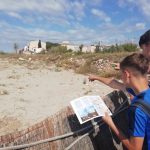
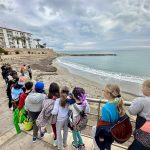
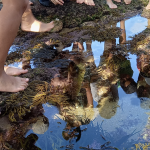
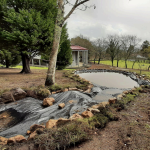
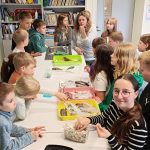
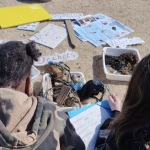
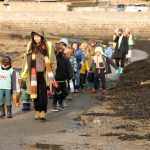
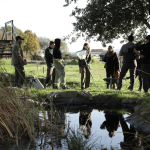
Over 120 students, guided by eight teachers and supported by the school’s Eco Club and educators from EcoZ, take part in hands-on and inclusive activities. The process begins with field observations at the Ibër River, where students use simple water testing kits to measure clarity, note visible pollution, and identify potential contamination sources. These visits also involve taking photos, field notes, and making first-hand observations about river health.
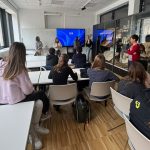
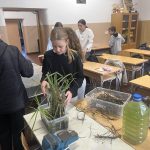
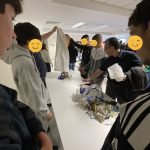
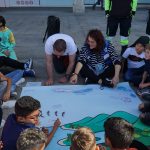
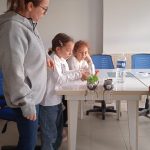
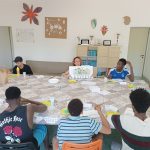
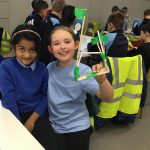
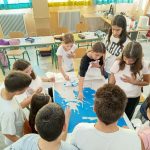
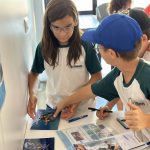
Back in the classroom, the “Draw Your System” workshops invite students to design their own rainwater collection or pollution-prevention solutions. Using recycled cardboard, eco-markers, and other safe materials, they create detailed illustrations complete with labels and short explanations.
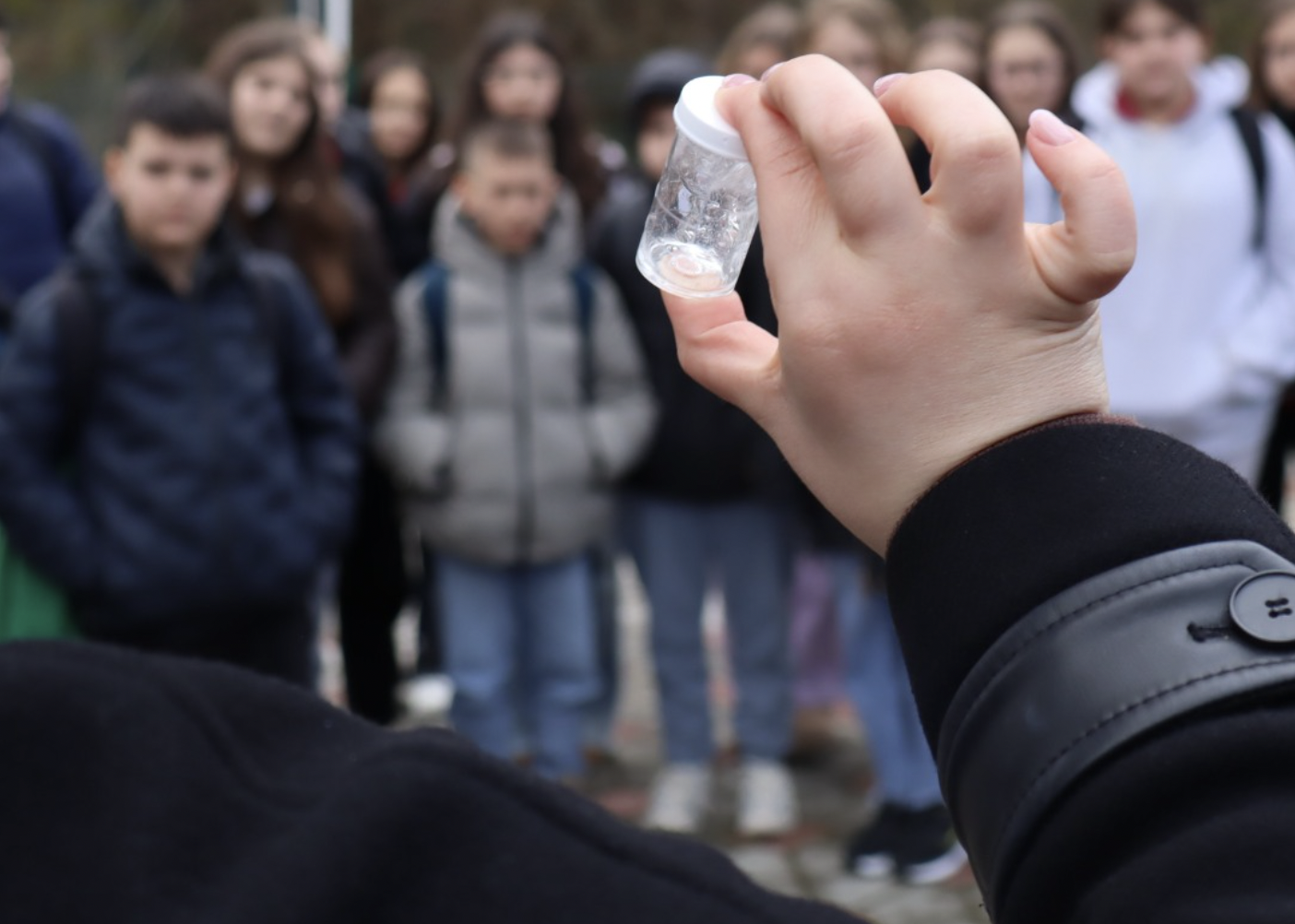
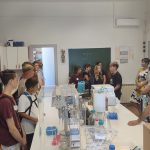
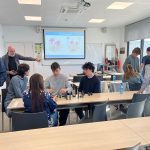
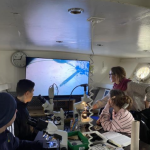
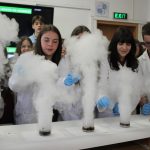
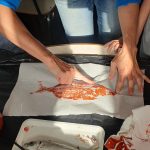
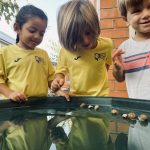
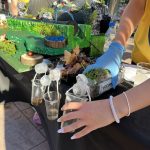
To connect field experiences with scientific understanding, the “Rain Science” station demonstrates evaporation, condensation, and precipitation using simple jar-based experiments. This hands-on approach reinforces how water moves through the environment and links back to what they saw at the river.
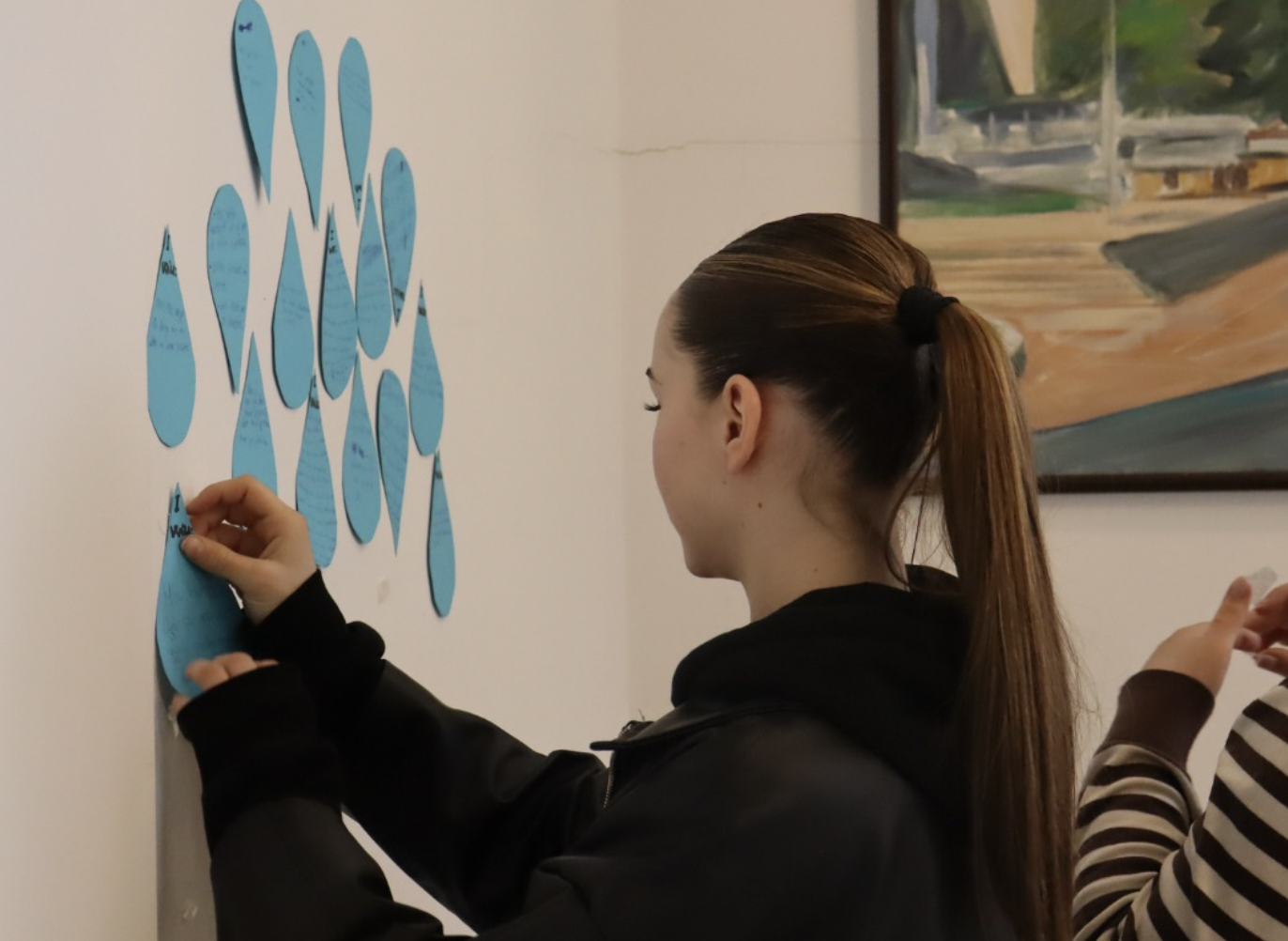
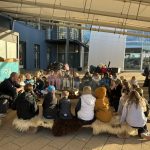
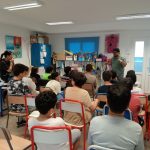
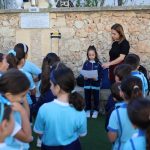
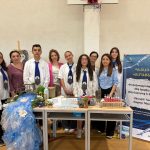
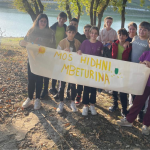
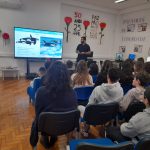
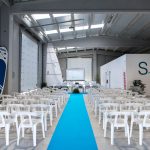
The project culminates in a Public Awareness Day, timed to coincide with an international environmental date. Here, the school opens its doors to families, local residents, municipality representatives, and other schools. Students present their rainwater system illustrations, personal “Rain Keeper” stories, and pollution test results. The Eco Club takes the lead in organizing the event, ensuring it becomes a community celebration of learning and creativity.
Throughout the project, EcoZ brings expertise in environmental education, guiding field visits and supporting teachers. The collaboration ensures that activities are not only scientifically accurate but also engaging and accessible for all ages and backgrounds.
Expected Outputs
By the project’s end, Shkolla “Bedri Gjinaj” will have:
- Student-designed illustrations and storytelling posters on rainwater and pollution prevention.
- Field journals with river observations and data from water quality tests.
- Visual charts summarizing pollution findings in the Ibër River.
- Classroom kits for repeating the water cycle experiment in future lessons.
- Bilingual (Albanian/English) educational materials for continued learning.
- Photography and video documentation to share online and inspire other schools.
These materials are designed to remain in use long after the project finishes, becoming part of the school’s permanent environmental education resources.
Impact
The project directly involves 120 students, but its reach goes much further. All 498 students in the school are touched by the campaign through exhibitions, displays, and peer discussions. Families, community members, and local officials engage with the results, building broader awareness of water issues in Mitrovica.
By making participation free and accessible — with translation, transport, and materials provided — Rain Keepers ensures that students from rural, low-income, and underrepresented communities take part equally. It gives them the tools and confidence to act as young environmental ambassadors, sharing their knowledge both at school and at home.
The combination of science, creativity, and inclusivity makes Rain Keepers a model for environmental education. It shows how local observations and simple experiments can spark curiosity, inspire community conversations, and plant the seeds for a more water-conscious future.



























 Funded by the European Union