
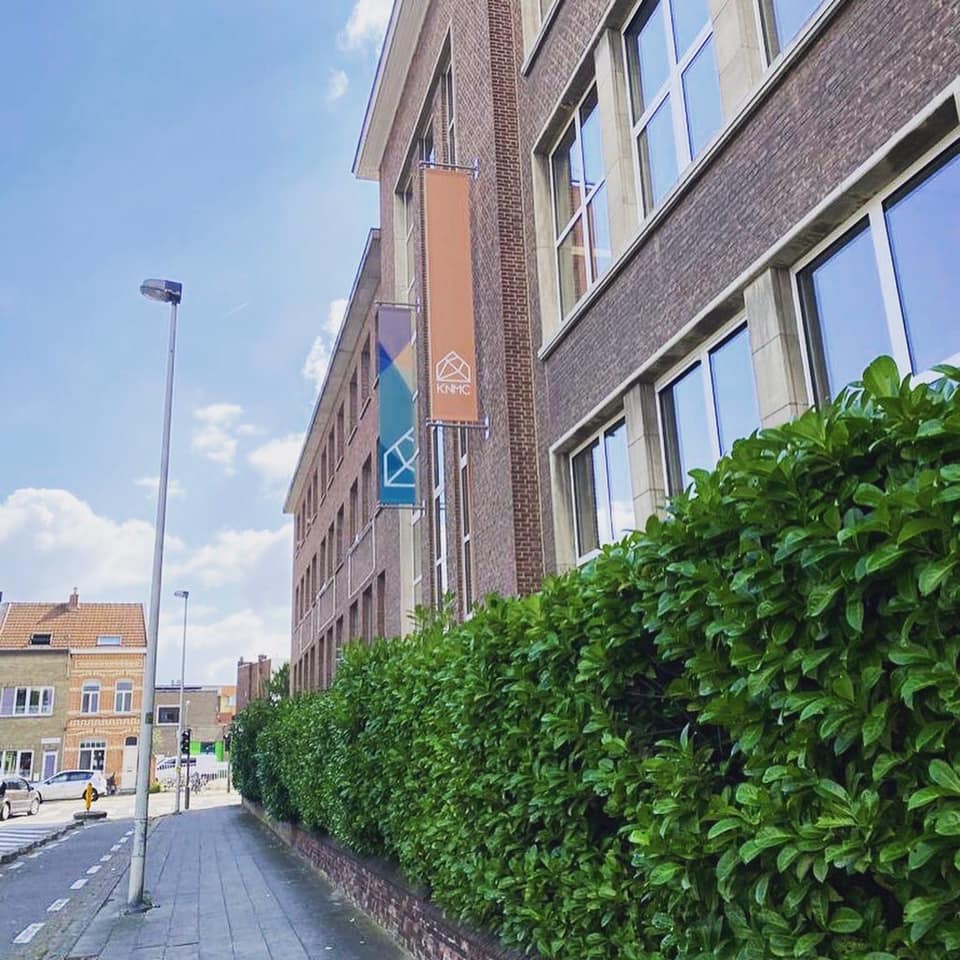
Antwerp, Belgium
4th FUNDING CALL
Objectives
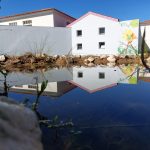
The “Nutrient load, Environmental pressures and Molecular biology experiments to enhance the Understanding of freshwater ecosystems” project, also known as NEMU, is a seven-month initiative designed to deepen students’ understanding of freshwater ecosystems. The project’s main goal is to gain a better understanding of these ecosystems by studying chemical properties, calculating the biotic index, and exploring trophic relations. The project involves students of different age groups, with specific objectives tailored for each group.
The project has a number of key objectives:
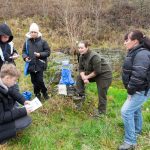
- Chemical Analysis: Determine the chemical properties of a freshwater body through in situ measurements and experiments.
- Biodiversity Study: Perform adequate sampling to determine the biotic index of a freshwater body.
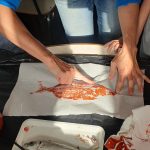
- Molecular Biology: Use DNA analysis, including PCR and gel electrophoresis, to identify the food sources of 2 to 3 species at different trophic levels.
- Environmental Interpretation: Identify environmental pressures by interpreting various results and external sources like water management plans.
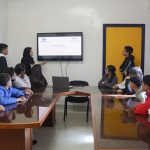
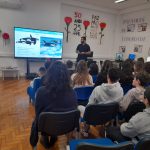
- Awareness and Communication: Raise awareness among 16-18 year olds about the susceptibility of freshwater ecosystems and enhance their presentation skills by having them communicate scientific results to professionals and younger children.
- Critical Thinking: Encourage critical thinking by sharing results through twinning, enabling students to discuss their data and link measurements to specific ecosystem types or environmental pressures.
Activities and Collaborations
The project’s activities will be carried out in several phases:
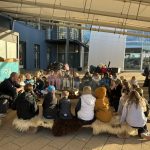
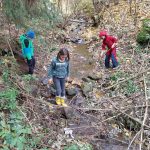
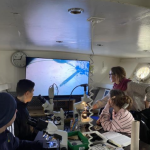
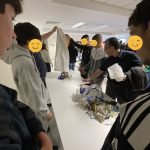
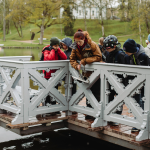
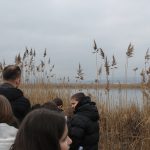
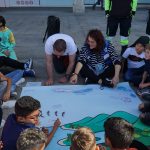
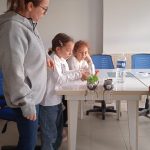
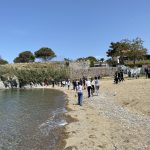
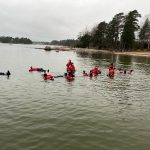
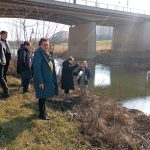
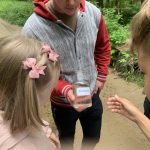
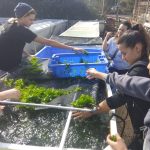
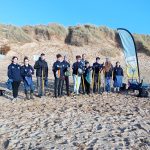
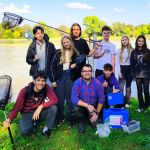
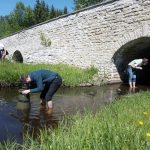
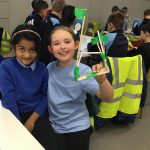
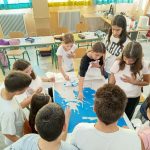
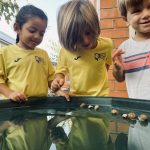
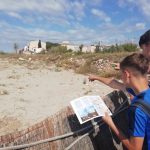
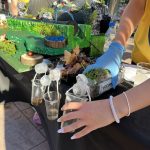
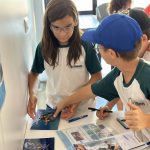
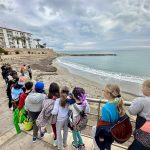
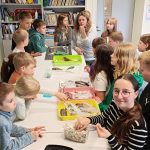
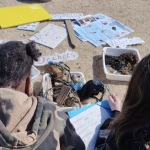
- Field Work (September 2025): KNMC students will perform fieldwork to determine chemical properties and collect samples. They will also host a microscopy workshop for primary school pupils.
- Teacher Training (October-December 2025): Teachers will receive training in DNA techniques from a CRC expert.
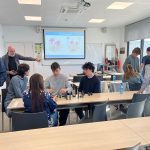
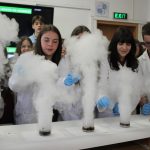
- Laboratory Work (February-March 2026): KNMC students will perform DNA analysis using PCR and gel electrophoresis to identify food sources. They will keep a detailed lab logbook and present their findings to CRC scientists.
- E-twinning: Both schools will use e-twinning to discuss results.
The project involves several key collaborations and community engagements:
- Local Authorities: The project will engage with scientists from the local water management plan.
- Scientific Experts: KNMC will collaborate with a molecular biologist from the Zoo of Antwerp (KMDA) to receive training in DNA techniques and refine their methodology.
- Other Schools: Forty primary school students in Belgium will participate in an on-site microscopy workshop.
- Wider Community: The schools will disseminate information through social media, science fairs, and open school days.
Outputs and Impact
The project is expected to produce several tangible outputs:
- Reports and Templates: A template sheet for measurements and a detailed preliminary report on chemical water quality and the biotic index.
- Lab Documentation: A detailed lab logbook of the DNA techniques carried out.
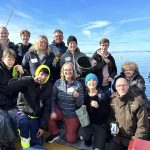
- Visual Media: Photos and videos of in situ sampling activities and the microscopy workshop.
- Website: A simple website to involve the wider community in the project.
The project aims to have a broad impact:
- Direct Involvement: 69 students will be directly involved in project activities.
- Indirect Involvement: An additional 100 students will be indirectly involved by attending related events.
- Curriculum Integration: Activities and results will be integrated into existing school curricula, covering topics like nitrogen and phosphorus cycles, and DNA and PCR techniques.
- Inclusivity: The project is committed to equal access for all students, regardless of gender, background, or physical ability. It will also reach students with fewer opportunities by providing special attention to well-being and adapting materials for those with learning disabilities, physical barriers, or cultural differences. The use of specialized lab equipment and professional input will also help relieve economic barriers.
- Citizen Science: Students and community members will contribute to data collection and analysis by determining species, measuring chemical properties, and interpreting results. This will allow them to actively participate in scientific research.
Carbon Neutrality: The project will calculate the carbon footprint of travel and equipment delivery and compensate for it by planting trees on school campuses.

























 Funded by the European Union