
Ljubljana, Slovenia
4th FUNDING CALL
Objectives
At OŠ Milana Šuštaršiča, the journey of a single river becomes the thread that ties together science, creativity, and environmental stewardship. The seven-month project From Ljubljanica to the Sea: Connecting Slovenia’s Water Worlds brings pupils face-to-face with the waterways that flow past their school and eventually reach the Adriatic, showing how local actions ripple across entire ecosystems.
The project aims to deepen pupils’ understanding of how human activities affect fragile freshwater and marine systems, from urban runoff in Ljubljana to saltwater habitats on the coast. Students will learn that the Ljubljanica is not just a local river but part of an interconnected network—flowing into the Sava, the Danube, and finally the Black Sea. Along the way, they will examine pollution sources, test practical solutions, and inspire their community to take part in preserving Slovenia’s “blue wealth.”
Activities & Collaborations
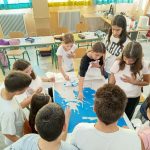
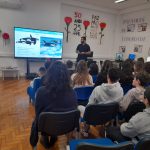
The work begins with watershed model workshops, where students trace the river’s path and map pollution hotspots. Using digital tools like Google Earth and Padlet, they compile findings that combine geography, environmental science, and teamwork.
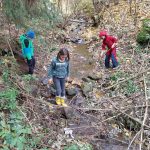
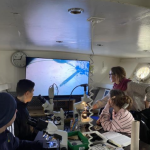
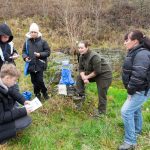
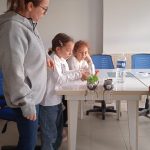
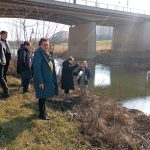
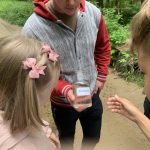
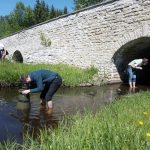
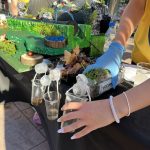
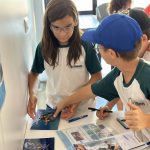
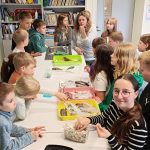
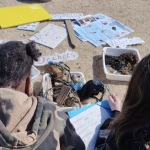
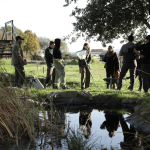
Hands-on research follows in the Urban Impact Field Lab, with pupils testing water quality at natural, urban, and industrial sites. They measure nitrates, microplastics, and temperature, while identifying indicator species to assess ecosystem health.
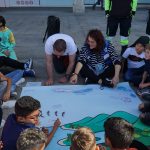
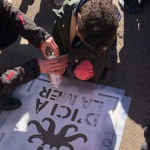
The Stormwater Detective Game turns city streets into a living lab. Pupils mark runoff routes with washable chalk, documenting where rainwater carries pollutants into drains and rivers.
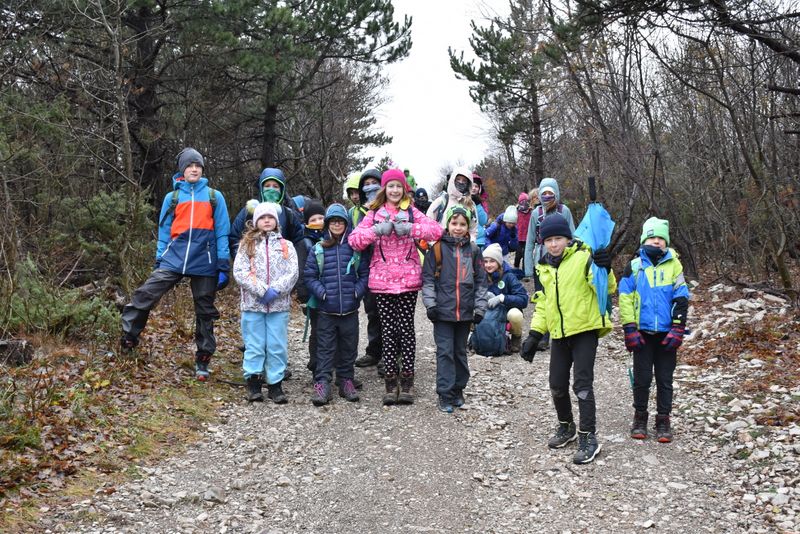
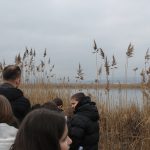
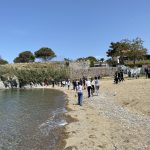
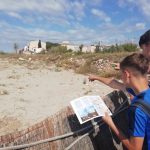
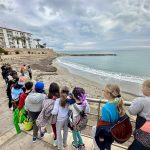
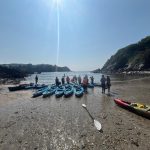
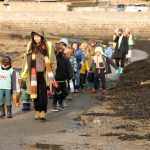
Beyond the city, field trips take younger students to the Sečovlje Salt Pans to compare salinity and biodiversity, while older groups engage in a virtual exchange with partner schools in Crikvenica and Osijek. Together, they compare findings from the Adriatic coast and the Danube basin.
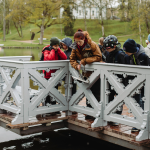
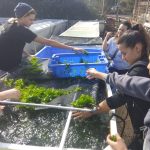
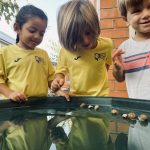
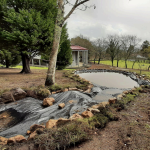
Innovation plays a central role. With the Ljubljana Botanical Garden, pupils will design and monitor floating wetlands that naturally filter pollutants. In crafts lessons, they’ll take on the Rainwater Hackers Challenge, building DIY rain barrels and permeable pavement models to reduce runoff.
Creativity also flows through the art and literary competition “Ljubljanica vs. the Sea: A Water Story,” and the #NoMoreMicroplastics social media campaign, aimed at reaching audiences far beyond the school. Teacher training sessions will ensure the project’s impact continues in future years.
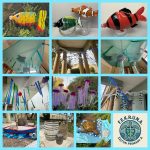
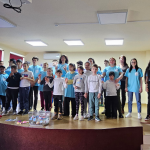
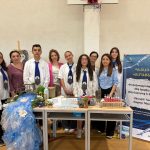
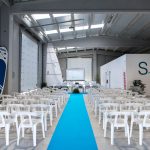
The project concludes with a public exhibition and performance, where research results, floating wetland prototypes, and creative works will be shared with families, local authorities, NGOs, and the wider community.
Collaborations include partnerships with Ljubljana Botanical Garden, environmental NGOs, marine biologists, and international schools, as well as input from hydrologists and the Ljubljana Environmental Agency.
Expected Outputs
The project will produce:
- Pollution maps (digital and hand-drawn) showing contamination sources.
- Field data on water quality indicators, available via a public Padlet board.
- DIY guides for floating wetlands, rainwater collection, and permeable pavements.
- Training materials for educators, including bilingual (Slovenian/English) resources.
- Creative works from competitions and campaigns, archived for future outreach.
These outputs will be openly accessible, allowing other schools and community groups to adapt the methods for their own waterways.
Impact
Directly involving 100 pupils and indirectly reaching the school’s entire student body of 525, the project extends into the community through events, social media, and citizen science contributions. Students will not only gain scientific skills—data collection, analysis, and open sharing—but also learn how governance, community engagement, and individual choices shape water quality from source to sea.
By connecting urban and coastal environments, OŠ Milana Šuštaršiča is creating a generation of young water stewards who understand that protecting a local river also safeguards the seas beyond. Through science, creativity, and collaboration, they are charting a future where every drop counts.





























 Funded by the European Union