
Sousse, Tunisia
4th FUNDING CALL
Objectives
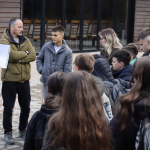
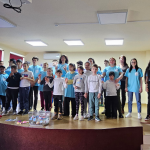
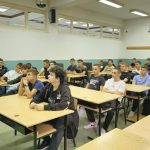
In Sousse, Tunisia, 150 blind and visually impaired students from ENNOUR School for the Blind are embarking on a seven-month journey to become advocates for a cleaner, healthier coastline. Through “The Beach Scouts: Young Visual Ambassadors for a Plastic-Free Coastline,” they will combine environmental education with hands-on action, proving that marine protection is everyone’s responsibility—no matter their abilities.
The project’s main aim is to boost students’ knowledge of the impact of single-use plastics on the Mediterranean Sea by at least 80% while building their confidence as environmental leaders. Specifically, it seeks to:
- Educate all 150 students through accessible, multi-sensory learning experiences and field visits.
- Train 30 students in monitoring plastic pollution, accessible communication, and advocacy.
- Establish a school club and appoint 20 ambassadors to lead ongoing awareness and monitoring activities.
Activities & Collaborations
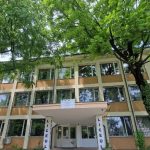
The initiative is led by the Tunisian Association for the Protection of the Disabled (ATPH) in partnership with ENNOUR School for the Blind, with mentoring support from local environmental NGOs. Activities are designed to be accessible, interactive, and community-driven:
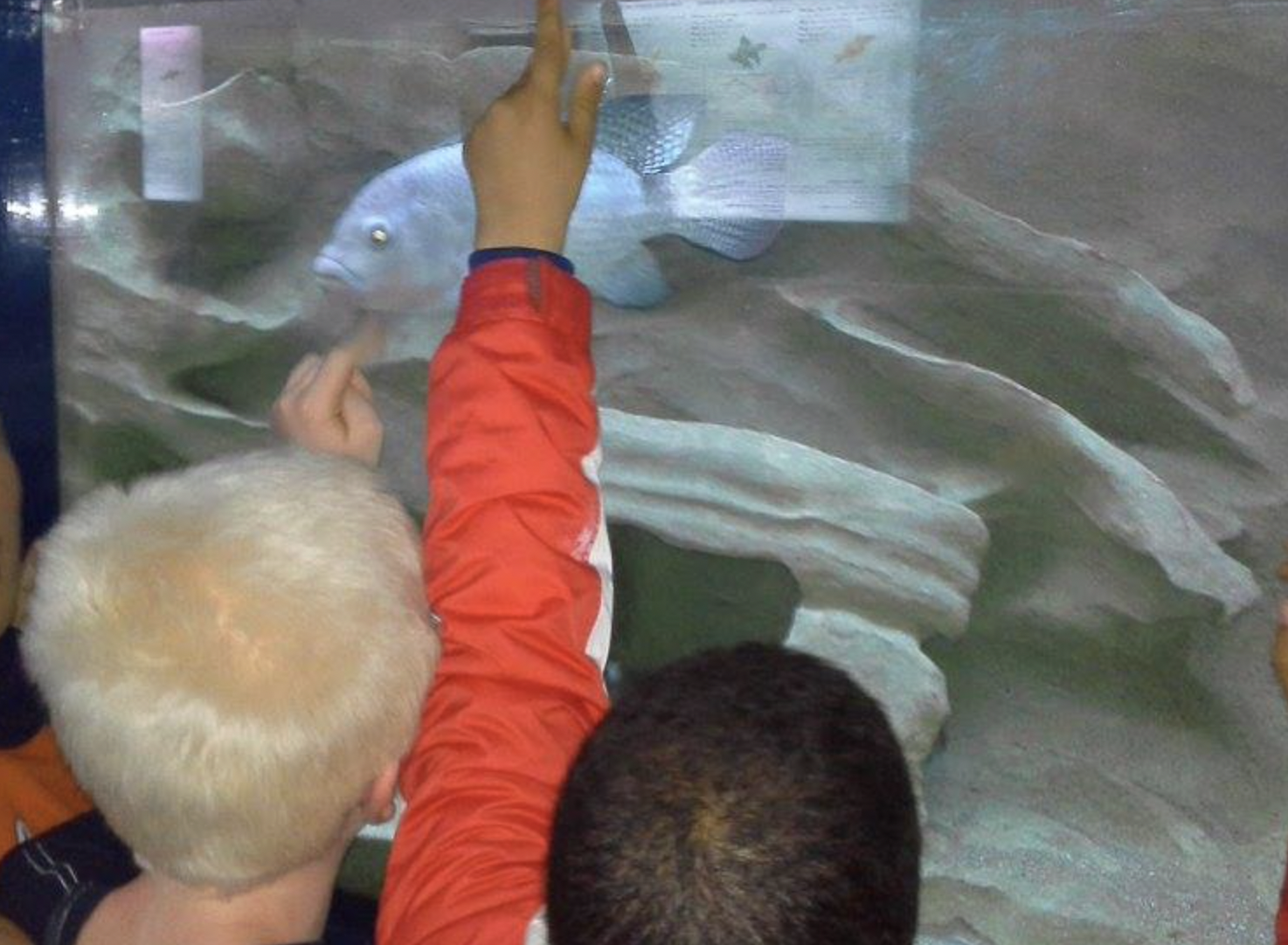
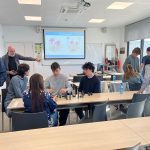
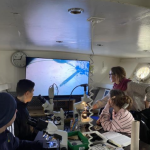
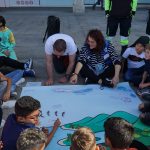
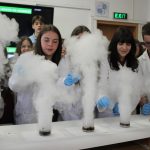
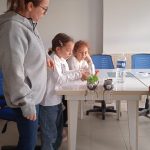
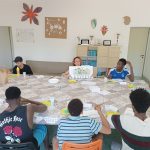
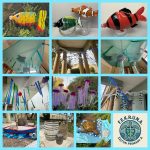
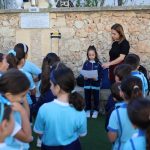
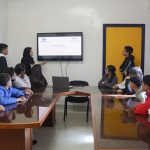
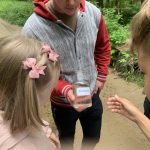
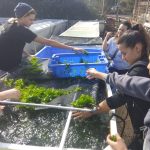
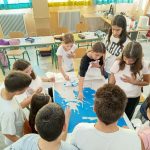
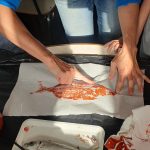
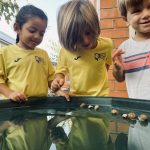
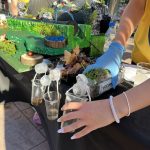
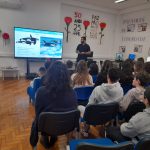
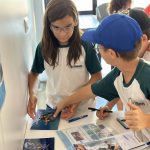
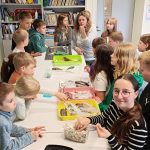
- Multi-sensory workshops – Six sessions using tactile marine animal models, audio recordings, and olfactory cues to illustrate the harm caused by plastics. Students explore Braille and audio resources on the plastic cycle, developed with environmental experts.
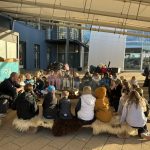
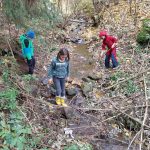
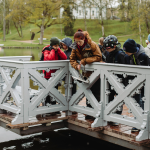
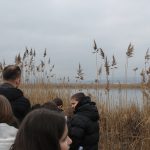
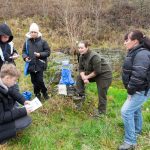
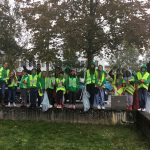
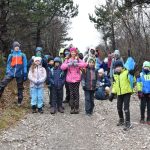
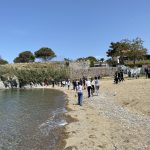
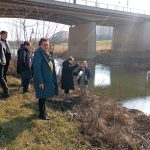
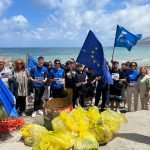
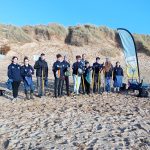
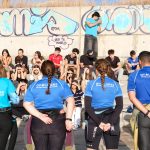
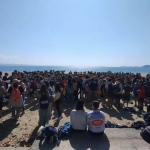
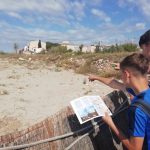
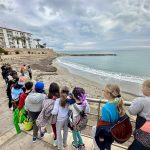
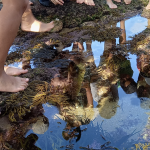
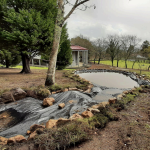
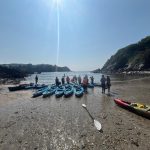
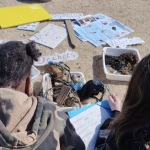
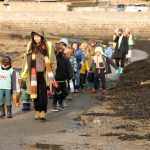
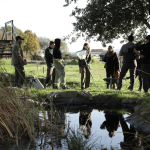
- Field visits – Three clean-up and awareness campaigns at Sousse and Hergla beaches and the Halk ElMengel wetland, inviting families, community members, and the media.
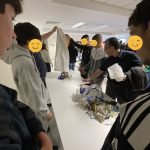
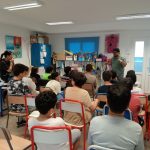
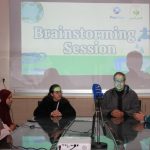
- Capacity-building – Four training workshops on plastic waste categorization, accessible communication, and advocacy techniques. A Braille environmental guide is co-created with students and experts.
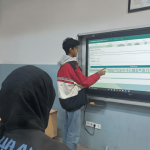
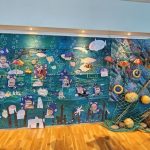
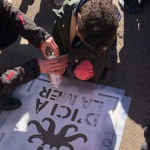
- Campaign creation – Students design accessible awareness tools, from audio messages to tactile exhibits.
- Club formation – “The Beach Scouts” school club is launched, with elected leaders and an annual plan. Twenty trained ambassadors take charge of outreach, train peers, and organise at least three school and community campaigns.
- Mentorship & sustainability – A partnership with a local NGO ensures ongoing support for the club’s activities beyond the project period.
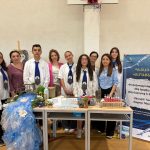
- Experience-sharing workshop – A closing event brings together ministries, NGOs, schools, and media to present results and inspire replication.
Expected Outputs
The project will deliver:
- A Braille guide on environmental best practices and beach monitoring techniques.
- A library of accessible educational materials: audio books, tactile illustrations, adapted texts.
- Student-created awareness tools, suitable for exhibitions, online sharing, and future campaigns.
- Documented media—photos, videos, and audio—showcasing the learning process and outcomes.
All materials will be made available to the ProBleu catalogue for use by other schools and organisations.
Impact
By the end of the project, students will not only understand the issue of marine plastic pollution but will also have the tools and confidence to address it. The creation of a permanent school club ensures that learning continues, campaigns are sustained, and younger students are mentored by their peers.
The initiative strengthens inclusion by showing that environmental action is enriched, not limited, by diverse abilities. It engages families, teachers, NGOs, and local authorities, creating a network of support for youth-led change. Beyond the school, partner institutions such as Nour School and the Elementary School for the Blind in Sousse will join activities, widening the project’s reach to over 200 additional students.
In the long term, “The Beach Scouts” model can be replicated in other schools, promoting environmental stewardship through accessible, community-based learning. With its blend of education, action, and advocacy, the project stands as a testament to the power of inclusive environmental education—and the determination of young people to protect their shared coastline.
































 Funded by the European Union